


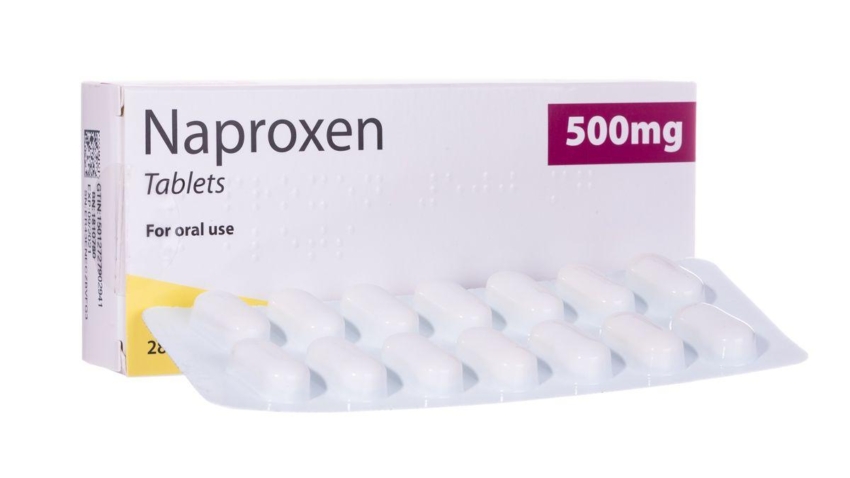
15 Powerful Naproxen Facts: Benefits, History, Uses, Risks & Complete Review Guide (2026)
Naproxen: Complete History, Uses, Benefits, Facts, Timeline, Review & Daily Life Impact


Introduction
Pain is one of the most common health concerns experienced by people of all ages. Whether it is a headache after a stressful day, joint pain due to arthritis, menstrual cramps, or muscle soreness after exercise, finding effective pain relief is important. One of the most trusted medications used worldwide for pain management is Naproxen.
Naproxen belongs to a group of medicines known as Nonsteroidal Anti-inflammatory Drugs (NSAIDs). It helps reduce pain, inflammation, and fever, making it useful for treating various medical conditions. Doctors have prescribed Naproxen for decades because of its long-lasting effectiveness and relatively convenient dosing schedule.
This comprehensive guide explores everything about Naproxen—from its history and development to its benefits, facts, timeline, significance, FAQs, review, and its impact on our daily lives.
What is Naproxen?
Naproxen is a prescription and over-the-counter medication used to relieve:
- Arthritis pain
- Muscle pain
- Joint inflammation
- Menstrual cramps
- Back pain
- Toothache
- Tendon injuries
- Fever
- Gout attacks
- Migraine-related pain
Unlike many pain relievers that work only for a few hours, Naproxen generally provides relief for up to 12 hours, making it a preferred choice for chronic pain management.
History of Naproxen


The development of Naproxen dates back to the 1960s when pharmaceutical researchers were searching for safer alternatives to existing anti-inflammatory medications.
Historical Milestones
- 1960s: Scientists developed Naproxen after extensive research on anti-inflammatory compounds.
- 1976: Naproxen became commercially available in several countries.
- 1980s: It gained widespread popularity for arthritis treatment.
- 1990s: Over-the-counter versions became available in many markets.
- 2000s–Present: Naproxen continues to be one of the world’s most commonly prescribed NSAIDs.
Its long history reflects decades of clinical use and research, making it one of the most trusted pain medications today.
Naproxen Timeline
| Year | Event |
|---|---|
| 1960s | Initial research and discovery |
| Early 1970s | Clinical trials |
| 1976 | Commercial launch |
| 1980s | Approved for arthritis treatment |
| 1990s | OTC versions introduced |
| 2000s | Expanded global availability |
| Today | Widely prescribed worldwide |
How Naproxen Works
When the body experiences injury or inflammation, it produces chemicals called prostaglandins.
Naproxen works by blocking enzymes known as COX-1 and COX-2 that produce these prostaglandins.
As a result:
- Pain decreases.
- Swelling reduces.
- Fever comes down.
- Joint stiffness improves.
This makes Naproxen effective for many inflammatory conditions.
Common Uses of Naproxen
Doctors commonly prescribe Naproxen for:
- Osteoarthritis
- Rheumatoid arthritis
- Ankylosing spondylitis
- Tendonitis
- Bursitis
- Menstrual pain
- Acute gout
- Migraine
- Sports injuries
- Dental pain
- Muscle strains
- Back pain
Benefits of Naproxen
Some of the major benefits include:
- Long-lasting pain relief
- Reduces inflammation
- Effective for chronic pain
- Helps improve mobility
- Reduces swelling
- Convenient twice-daily dosing
- Widely available
- Affordable compared to many newer medications
Interesting Facts About Naproxen
Here are some fascinating facts:
- Naproxen belongs to the NSAID family.
- It works for nearly 12 hours.
- It is available both by prescription and over the counter in many countries.
- Millions of people use it every year.
- It is commonly used for arthritis.
- It can also reduce fever.
- Food may help reduce stomach irritation when taking it.
- It should not be combined with certain other NSAIDs unless advised by a healthcare professional.
- Long-term use requires medical supervision.
- It has been used safely in clinical practice for decades when taken appropriately.
Who Should Use Naproxen?
It may be recommended for:
- Adults with arthritis
- Patients with muscle injuries
- People with menstrual cramps
- Individuals with joint inflammation
- Patients recovering from sports injuries
Always use Naproxen under the guidance of a healthcare professional, especially if you have heart disease, kidney disease, stomach ulcers, or are pregnant.
Possible Side Effects
Like any medicine, Naproxen may cause side effects.
Common side effects include:
- Upset stomach
- Heartburn
- Nausea
- Headache
- Dizziness
- Constipation
- Diarrhea
Serious side effects (seek medical attention immediately) include:
- Chest pain
- Difficulty breathing
- Black or bloody stools
- Vomiting blood
- Severe allergic reactions
- Swelling of the face or throat
Safety Tips
To use Naproxen safely:
- Take it with food or milk if it upsets your stomach.
- Drink plenty of water.
- Avoid alcohol while taking it.
- Do not exceed the recommended dose.
- Inform your doctor about all other medications you take.
- Avoid long-term use without medical advice.
Significance of Naproxen
Naproxen has become one of the most significant pain-relieving medicines in modern healthcare because it helps millions of people manage pain and inflammation effectively.
Its importance includes:
- Improved quality of life for arthritis patients.
- Better mobility for older adults.
- Relief from menstrual discomfort.
- Faster recovery from sports injuries.
- Reduced dependence on stronger pain medications in some situations.
Importance in Daily Life
Pain can interfere with work, family, education, and recreation. Naproxen helps many people return to their daily activities by reducing discomfort.
Examples include:
- Office workers managing back pain.
- Athletes recovering from minor injuries.
- Students coping with headaches.
- Elderly people with arthritis maintaining mobility.
- Parents continuing daily responsibilities despite temporary pain.
It should, however, be used responsibly and according to medical advice.
Review of Naproxen
Overall Rating: ★★★★☆ (4.5/5)
Effectiveness
★★★★★
Naproxen is highly effective for reducing pain, swelling, and inflammation.
Duration
★★★★★
One dose often provides relief for up to 12 hours.
Affordability
★★★★★
It is generally inexpensive and widely available.
Ease of Use
★★★★☆
Simple dosing, but should be taken carefully to minimize stomach irritation.
Safety
★★★★☆
Safe for many people when used as directed, but long-term use may increase the risk of stomach ulcers, kidney problems, or cardiovascular issues in some individuals. Medical guidance is important.
Pros
- Long-lasting relief
- Effective against inflammation
- Widely available
- Cost-effective
Cons
- May irritate the stomach
- Not suitable for everyone
- Potential interactions with other medicines
- Requires caution with prolonged use
Important Points to Remember
- Always follow the recommended dosage.
- Avoid taking multiple NSAIDs together unless advised by a doctor.
- Keep the medicine out of children’s reach.
- Store it in a cool, dry place.
- Inform your healthcare provider about any chronic medical conditions.
- Do not use expired medication.
Frequently Asked Questions (FAQs)
1. What is Naproxen used for?
It is used to treat pain, inflammation, fever, arthritis, muscle pain, menstrual cramps, gout, and other inflammatory conditions.
2. Is Naproxen an antibiotic?
No. Naproxen is a pain reliever and anti-inflammatory medicine, not an antibiotic.
3. How long does Naproxen last?
Its effects generally last around 8–12 hours, depending on the formulation and the individual.
4. Can I take Naproxen every day?
Only if recommended and monitored by your healthcare provider, especially for long-term use.
5. Should I take Naproxen with food?
Yes, taking it with food or milk can help reduce stomach irritation.
6. Can pregnant women take Naproxen?
Pregnant women should consult their doctor before taking Naproxen, particularly later in pregnancy, when it may not be recommended.
7. Can Naproxen cause stomach ulcers?
Long-term or high-dose use can increase the risk of stomach ulcers and bleeding.
8. Is Naproxen stronger than some other common pain relievers?
Naproxen is particularly effective for inflammatory pain and lasts longer than some other over-the-counter pain medicines, though the best choice depends on the condition being treated.
Wishing Message
“Wishing everyone good health, strength, and a life with less pain and more happiness. May you always make informed healthcare decisions and prioritize your well-being every day.”
Importance to Society
Naproxen contributes significantly to society by helping people remain active and productive despite pain and inflammation. It supports mobility for older adults, helps workers and students maintain daily routines, and improves comfort for individuals managing chronic conditions. When used responsibly, it can reduce suffering and enhance overall quality of life.
Conclusion
Naproxen has remained a trusted medication for decades because of its effectiveness in reducing pain, inflammation, and fever. Its long history, proven clinical use, and widespread availability have made it one of the most commonly used NSAIDs worldwide.
Although it offers many benefits, it should always be used responsibly. Understanding the correct dosage, possible side effects, and safety precautions is essential for getting the most benefit while minimizing risks. Consulting a healthcare professional before starting or continuing Naproxen—especially for long-term use—is always the safest approach.
Whether used for arthritis, muscle injuries, menstrual pain, or everyday aches, Naproxen continues to play an important role in improving comfort, mobility, and quality of life for millions of people around the world.








Leave a Reply