


15 Powerful Reasons to Choose Whole Grains for Better Health: The Ultimate Student Nutrition Guide
Choose Whole Grains: The Complete Guide for Students, Families, and Healthy Living


Introduction
One of the easiest and most effective ways to improve your health is to choose whole grains instead of refined grains. Whole grains provide essential nutrients, dietary fiber, vitamins, minerals, and antioxidants that support overall health and well-being.
For students, professionals, children, and older adults, whole grains are a smart dietary choice. They help improve concentration, support digestion, provide lasting energy, and reduce the risk of many chronic diseases.
Unlike refined grains, whole grains retain all three parts of the grain—the bran, germ, and endosperm—making them naturally richer in nutrients.
What Does “Choose Whole Grains” Mean?
Choosing whole grains means selecting foods made from grains that contain all their natural parts without excessive processing.
Examples include:
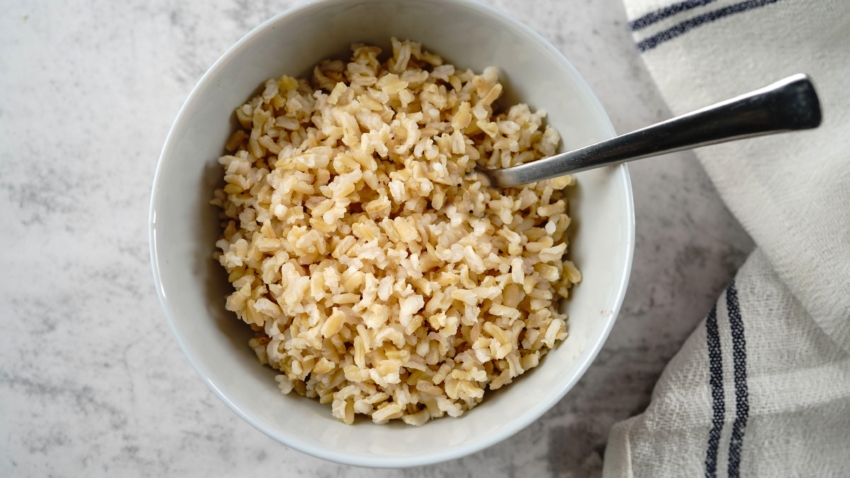
- Brown rice
- Whole wheat
- Oats
- Quinoa
- Barley
- Millet
- Sorghum
- Rye
- Corn
- Buckwheat
These foods are healthier than refined products such as:
- White bread
- White rice
- Refined flour (Maida)
- Sugary breakfast cereals
History of Whole Grains
Humans have consumed whole grains for more than 10,000 years.
Ancient Civilizations
- Egyptians grew wheat.
- Chinese cultivated rice.
- Indians grew millet and barley.
- South Americans cultivated quinoa.
- Africans relied on sorghum.
Before modern milling technology, almost all grain products were whole grain.
During the Industrial Revolution, refined flour became popular because it lasted longer and looked whiter. However, removing the bran and germ also removed many important nutrients.
Today, nutrition experts recommend returning to whole grains because of their numerous health benefits.
Timeline of Whole Grain Development
| Period | Event |
|---|---|
| 8000 BCE | Early wheat farming begins |
| 6000 BCE | Rice cultivation expands |
| 3000 BCE | Ancient India grows millet |
| 1800s | Industrial grain refining increases |
| 1900s | Nutrition research identifies nutrient loss |
| 2000s | Global health organizations promote whole grains |
| Present | Whole grains are recommended in healthy diets worldwide |
Nutritional Facts
Whole grains contain:
- Dietary Fiber
- Protein
- Iron
- Magnesium
- Zinc
- Vitamin B1
- Vitamin B2
- Vitamin B3
- Vitamin E
- Selenium
- Antioxidants
These nutrients work together to support multiple body systems.
Why Students Should Choose Whole Grains
Students require sustained energy throughout the day.
Whole grains help by:
- Improving memory
- Supporting concentration
- Preventing sudden hunger
- Providing long-lasting energy
- Supporting digestive health
- Improving mood
- Helping maintain healthy weight
- Reducing fatigue
A breakfast including oats or whole wheat bread is generally more satisfying than one made with refined grains.
15 Powerful Benefits of Choosing Whole Grains
1. Provides Long-Lasting Energy
Whole grains digest slowly, providing steady energy instead of quick spikes.
2. Improves Digestion
Dietary fiber supports healthy bowel movements and prevents constipation.
3. Supports Heart Health
Whole grains may help lower LDL cholesterol and support healthy blood vessels.
4. Helps Manage Blood Sugar
Because they digest more slowly than refined grains, whole grains can help reduce rapid rises in blood glucose.
5. Helps Maintain Healthy Weight
Fiber promotes fullness, which may reduce overeating.
6. Supports Brain Function
B vitamins and steady glucose release help support learning and concentration.
7. Builds Strong Bones
Whole grains provide magnesium and phosphorus for bone health.
8. Strengthens Immunity
Zinc and antioxidants contribute to normal immune function.
9. Improves Gut Health
Fiber nourishes beneficial gut bacteria.
10. Reduces Risk of Type 2 Diabetes
Higher whole-grain intake is associated with a lower risk of developing type 2 diabetes when combined with a healthy lifestyle.
11. Supports Healthy Cholesterol
Soluble fiber found in oats and barley can help reduce cholesterol.
12. Helps Prevent Constipation
Regular fiber intake promotes bowel regularity.
13. Encourages Healthy Skin
Nutrients and antioxidants help support skin health.
14. Affordable Nutrition
Many whole grains are inexpensive and nutritious.
15. Promotes Overall Wellness
Choosing whole grains supports long-term health and healthy eating habits.
Common Whole Grain Foods


Examples include:
- Brown rice
- Whole wheat flour
- Whole wheat bread
- Oatmeal
- Quinoa
- Barley
- Millet (Bajra)
- Sorghum (Jowar)
- Corn
- Buckwheat
Estimated Monthly Costs (India)
| Food | Approximate Cost |
|---|---|
| Brown Rice (1 kg) | ₹80–₹180 |
| Oats (1 kg) | ₹150–₹350 |
| Whole Wheat Flour (5 kg) | ₹220–₹450 |
| Millet (1 kg) | ₹70–₹200 |
| Barley (1 kg) | ₹60–₹150 |
| Quinoa (1 kg) | ₹350–₹700 |
Costs vary by location, brand, and season.
Daily Meal Ideas
Breakfast
- Oatmeal with fruit
- Whole wheat toast
- Vegetable poha made with millets
Lunch
- Brown rice
- Dal
- Vegetables
- Salad
Dinner
- Whole wheat chapati
- Mixed vegetables
- Lentils
Snacks
- Roasted barley
- Homemade granola
- Popcorn (plain)
Interesting Facts
- Whole grains contain all parts of the grain.
- Fiber is largely removed during refining.
- Oats naturally contain beta-glucan fiber.
- Millets are naturally gluten-free.
- Brown rice contains more fiber than white rice.
- Whole grains are eaten in nearly every culture.
Importance in Our Life
Choosing whole grains:
- Improves physical health
- Supports learning
- Encourages healthy habits
- Reduces healthcare expenses
- Supports sustainable agriculture
- Improves quality of life
Importance to Society
A society consuming healthier foods may experience:
- Better productivity
- Lower disease burden
- Improved school performance
- Reduced healthcare costs
- Better public health
Significance
Whole grains represent:
- Balanced nutrition
- Disease prevention
- Sustainable eating
- Better digestive health
- Long-term wellness
Important Points
- Choose foods labeled “100% Whole Grain.”
- Replace white rice with brown rice occasionally.
- Eat oats regularly.
- Include millet weekly.
- Increase fiber gradually and drink enough water.
- Pair whole grains with vegetables and protein.
Observance
There is no dedicated international observance specifically for choosing whole grains. However, many nutrition awareness campaigns encourage increasing whole-grain consumption as part of healthy eating.
Wishes and Healthy Messages
- “Choose whole grains today for a healthier tomorrow.”
- “Healthy eating begins with smart grain choices.”
- “Fuel your body with the goodness of whole grains.”
- “Every whole-grain meal is a step toward better health.”
- “Eat smart, stay active, and enjoy wholesome nutrition.”
Review Section
Overall Review
Nutrition: ⭐⭐⭐⭐⭐ (5/5)
Affordability: ⭐⭐⭐⭐☆ (4.5/5)
Availability: ⭐⭐⭐⭐☆ (4.5/5)
Health Benefits: ⭐⭐⭐⭐⭐ (5/5)
Student-Friendly: ⭐⭐⭐⭐⭐ (5/5)
Pros
- Rich in fiber
- Long-lasting energy
- Supports heart health
- Affordable options available
- Widely available
- Easy to include in daily meals
Cons
- Some options, such as quinoa, can be more expensive.
- Transitioning from refined grains may take time for some people.
Frequently Asked Questions (FAQs)
1. What are whole grains?
Whole grains contain the bran, germ, and endosperm, preserving their natural nutrients.
2. Why should students choose whole grains?
They provide sustained energy, fiber, vitamins, and minerals that support learning and overall health.
3. Which whole grain is healthiest?
There is no single “best” whole grain. Oats, brown rice, millet, barley, quinoa, and whole wheat are all nutritious choices.
4. Are whole grains expensive?
Not necessarily. Brown rice, whole wheat, barley, and millets are often affordable.
5. Can whole grains help with weight management?
Yes. Their fiber content can increase fullness and support healthy weight management when combined with a balanced diet.
6. Should children eat whole grains?
Yes, as part of a balanced diet appropriate for their age and nutritional needs.
7. How much should adults eat?
Dietary recommendations vary, but many health authorities suggest making at least half of your grain intake whole grains.
Daily Life Impact
Making whole grains a regular part of your meals can:
- Improve energy levels
- Support digestive health
- Help maintain a healthy weight
- Promote heart health
- Encourage healthier eating habits
- Support better focus for study and work
- Contribute to long-term well-being
Conclusion
Choosing whole grains is one of the simplest changes you can make to support lifelong health. From ancient civilizations to modern nutrition science, whole grains have remained a valuable source of energy and essential nutrients. Whether you are a student aiming to improve concentration, a parent planning balanced family meals, or someone seeking healthier daily habits, replacing refined grains with whole grains is a practical and sustainable step. Start gradually by swapping white bread for whole wheat bread or white rice for brown rice, and build a routine that supports your health for years to come.






Leave a Reply