


10 Powerful Benefits of Flavor with Herbs: Amazing Ways Herbs Transform Food and Life


Introduction: Flavor with Herbs – Nature’s Gift to Better Taste and Health
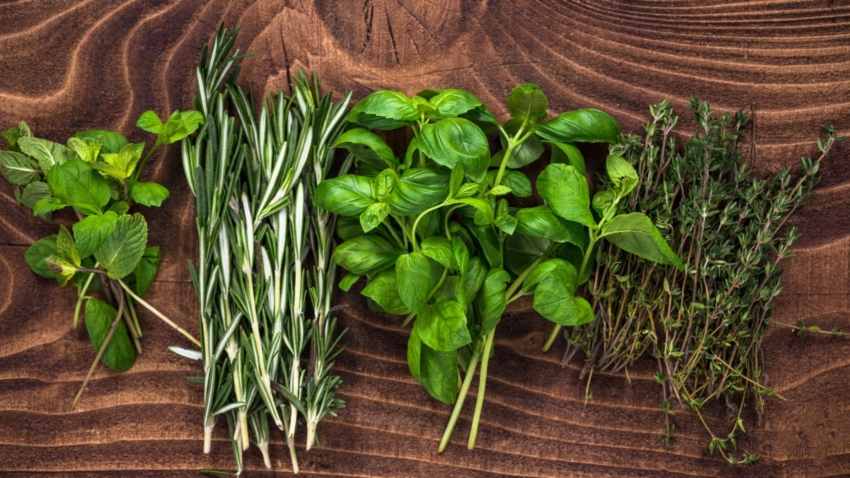
Flavor with herbs is one of the oldest and most beautiful traditions in human life. Since ancient times, people have used herbs not only to improve the taste, smell, and appearance of food but also to support health, culture, and daily living. A simple meal can become special with the addition of fresh basil, mint, coriander, rosemary, thyme, or other natural herbs.
For students, learning about herbs is important because herbs connect many subjects together, including biology, nutrition, history, agriculture, medicine, and environmental science. Understanding herbs helps students appreciate nature, healthy eating habits, and sustainable living.
Herbs are affordable, easily available, and useful in homes, restaurants, hospitals, and research laboratories. They represent the relationship between humans and nature, showing how small plants can create a big impact on our lives.
History of Flavor with Herbs
The history of using herbs goes back thousands of years. Ancient civilizations discovered that plants could improve food quality and provide medicinal benefits.
Ancient Period
Ancient Egyptians used herbs for cooking, religious ceremonies, and preservation. Herbs such as garlic and coriander were valued for their taste and possible health properties.
In ancient India, herbs became an important part of traditional knowledge systems. Many plants were used in Ayurveda for maintaining wellness and supporting the body naturally.
Ancient Greeks and Romans also used herbs in cooking and medicine. They cultivated plants like oregano, mint, and rosemary for food preparation and healing practices.
Medieval Period
During the medieval period, herbs were grown in home gardens and monasteries. People used herbs for flavoring food, making natural remedies, and preserving ingredients before refrigeration became common.
Modern Era
Today, herbs are used worldwide in homes, food industries, restaurants, and healthcare research. Modern science continues to study plant compounds and their nutritional importance.
Timeline of Flavor with Herbs
3000 BCE – Early Herb Usage
Ancient communities begin collecting and using herbs for food and traditional practices.
1500 BCE – Organized Herb Knowledge
Civilizations record information about medicinal and culinary plants.
500 BCE – Greek and Roman Influence
Herbs become widely used in cooking and cultural traditions.
1000–1500 CE – Herb Gardens Expand
Communities grow herbs for food, medicine, and household purposes.
1800s – Commercial Herb Production
Herbs become available through markets and large-scale farming.
Today – Global Herb Culture
Fresh and dried herbs are used worldwide for taste, nutrition, and lifestyle improvement.
Interesting Facts About Herbs
- Herbs have been used by humans for thousands of years.
- Fresh herbs can improve the taste of food without adding excessive salt or unhealthy ingredients.
- Many herbs contain natural plant compounds called antioxidants.
- Growing herbs at home can encourage healthy eating habits.
- Herbs support biodiversity by attracting beneficial insects.
- Different cultures have unique herb traditions connected with their food.
- Some herbs are used in both culinary and traditional health practices.
- Herbs can be grown in gardens, balconies, and even small indoor containers.
Importance of Flavor with Herbs in Daily Life
Herbs play an important role in making everyday food enjoyable and healthier. A meal without flavor may feel incomplete, while herbs can transform ordinary dishes into memorable experiences.
1. Improving Food Taste
The primary purpose of herbs is adding natural flavor. Basil gives freshness to dishes, mint provides cooling notes, and rosemary adds a strong aroma.
2. Encouraging Healthy Eating
Herbs allow people to create flavorful meals while reducing dependence on excess salt, sugar, or artificial flavoring.
3. Supporting Cultural Identity
Many traditional dishes depend on specific herbs. They preserve cultural history and connect generations through food.
4. Supporting Sustainable Living
Growing herbs at home reduces packaging waste and encourages people to understand where food comes from.
Importance of Herbs for Students
Students can benefit from learning about herbs because they provide practical knowledge connected with everyday life.
Educational Benefits
Herbs help students understand:
- Plant biology
- Photosynthesis
- Agriculture
- Nutrition science
- Environmental protection
- Traditional knowledge
Career Opportunities
Knowledge about herbs can support careers in:
- Nutrition
- Food technology
- Agriculture
- Pharmacy
- Biotechnology
- Culinary arts
- Research
Student Activities
Students can:
- Create herb gardens
- Study plant growth
- Prepare healthy recipes
- Research traditional uses
- Participate in environmental projects
Costs of Using Herbs
The cost of herbs depends on whether they are purchased fresh, dried, or grown personally.
Fresh Herbs
Fresh herbs from local markets are usually affordable. Common herbs such as coriander, mint, and basil are available at low prices.
Dried Herbs
Dried herbs may cost more because they have longer shelf life and require processing.
Growing Herbs at Home
Home gardening can be a low-cost option. Students can grow herbs using small pots, soil, seeds, and regular care.
Approximate home gardening costs:
- Seeds: Low cost
- Small pots: Affordable
- Soil and compost: Moderate cost
- Regular maintenance: Minimal
Growing herbs is often economical over time.
Significance of Flavor with Herbs in Society
Herbs are important not only for individuals but also for society.
Health Awareness
Herbs encourage people to choose natural ingredients and understand nutrition.
Agriculture Development
Herb farming provides opportunities for farmers and supports local economies.
Cultural Preservation
Traditional herb-based recipes protect cultural identity and history.
Environmental Benefits
Herb cultivation supports greener lifestyles and sustainable farming.
Observance and Awareness Activities
Many schools, communities, and environmental groups organize activities related to plants and herbs.
Important activities include:
- Herb gardening programs
- Cooking demonstrations
- Nutrition awareness campaigns
- Botanical education projects
- Sustainable farming workshops
These activities help people understand the value of plants.
Important Points to Remember About Herbs
- Choose fresh and quality herbs whenever possible.
- Wash herbs properly before use.
- Store herbs correctly to maintain freshness.
- Learn about different herb varieties.
- Use herbs as part of a balanced diet.
- Respect traditional knowledge while understanding modern science.
Review Section: Flavor with Herbs Experience
Taste Review
Flavor with herbs receives excellent appreciation because herbs add freshness, aroma, and uniqueness to food.
Health Review
Herbs are considered valuable ingredients because they can support healthier cooking habits when used properly.
Student Review
Students find herbs interesting because they combine practical learning with science, nature, and creativity.
Overall Rating
★★★★★ (5/5)
Flavor with herbs is a simple yet powerful way to improve cooking, learning, and lifestyle.
Frequently Asked Questions (FAQs)
1. What does flavor with herbs mean?
Flavor with herbs means improving the taste and aroma of food by adding natural plant-based ingredients.
2. Why are herbs important?
Herbs are important because they improve food quality, support cultural traditions, and encourage healthy cooking.
3. Can students grow herbs?
Yes, students can easily grow herbs in small gardens, pots, or school projects.
4. Are fresh herbs better than dried herbs?
Fresh herbs often provide stronger aroma, while dried herbs are convenient and have a longer shelf life.
5. How do herbs impact daily life?
Herbs make meals enjoyable, encourage healthy habits, and connect people with nature.
6. Are herbs expensive?
Most common herbs are affordable, and growing them at home can reduce costs.
Positive Wishes and Message About Herbs
May everyone discover the beauty of natural flavors and develop healthier eating habits through herbs. Small plants can create meaningful changes in our kitchens, classrooms, and communities.
Students should explore herbs with curiosity because every leaf carries knowledge about nature, science, and human creativity.
Conclusion: The Powerful Impact of Flavor with Herbs
Flavor with herbs is much more than adding taste to food. It represents history, culture, science, health awareness, and sustainable living. From ancient civilizations to modern kitchens, herbs have remained an important part of human life.
For students, herbs provide an opportunity to learn practical skills, understand nature, and develop respect for healthy lifestyles. For families, herbs bring freshness and creativity to meals. For society, herbs support agriculture, cultural traditions, and environmental responsibility.
By choosing herbs in daily cooking and learning about their importance, people can create a stronger connection with nature. The simple act of adding herbs to food reminds us that small natural resources can have a powerful impact on our lives.









Leave a Reply