


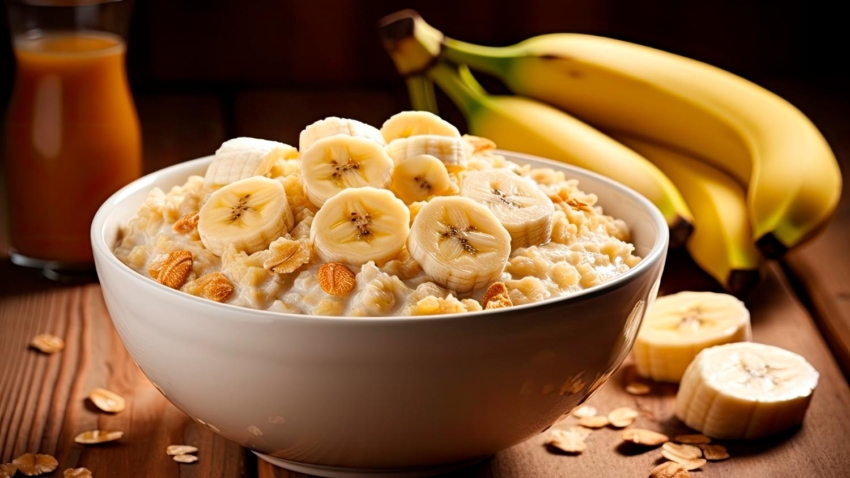
15 Powerful Fuel Your Workouts Secrets That Will Transform Your Fitness Journey
Fuel Your Workouts: The Complete Guide to Better Fitness, Nutrition, and Performance


Introduction
Fuel Your Workouts is much more than eating before going to the gym. It means providing your body with the right balance of carbohydrates, proteins, healthy fats, vitamins, minerals, and water so you can perform at your best and recover efficiently afterward.
Whether you are a student preparing for exams, an athlete training for competitions, or someone simply trying to stay healthy, proper workout nutrition helps improve energy, endurance, muscle growth, concentration, and overall health.
Today’s busy lifestyle often causes people to skip meals or rely on junk food before exercising. Unfortunately, this reduces performance and increases fatigue. By learning how to fuel your workouts correctly, you can maximize every training session while protecting your long-term health.
What Does “Fuel Your Workouts” Mean?
Fueling your workouts means eating nutritious foods and staying hydrated before, during, and after physical activity.
The body requires:
- Carbohydrates for energy
- Protein for muscle repair
- Healthy fats for long-lasting energy
- Water for hydration
- Electrolytes for muscle function
- Vitamins and minerals for recovery
Think of your body like a car. Even the best sports car cannot run efficiently without quality fuel.
History of Sports Nutrition
Sports nutrition has evolved dramatically over the centuries.
Ancient Times
Greek Olympic athletes consumed:
- Cheese
- Bread
- Figs
- Meat
- Olive oil
They believed these foods enhanced strength and endurance.
1900s
Scientists discovered:
- Importance of carbohydrates
- Muscle glycogen storage
- Protein recovery
1960s
Sports drinks became popular for hydration.
Modern Era
Today nutrition includes:
- Personalized meal plans
- Scientific supplementation
- Recovery nutrition
- Hydration strategies
- Performance optimization
Timeline of Workout Nutrition
| Year | Milestone |
|---|---|
| Ancient Greece | Athletes follow structured diets |
| 1920 | Protein research expands |
| 1965 | Sports drinks introduced |
| 1980 | Carbohydrate loading becomes common |
| 2000 | Personalized sports nutrition grows |
| Present | AI-based nutrition tracking and wearable technology |
Why Fueling Your Workouts Is Important
Proper nutrition helps:
- Increase energy
- Improve endurance
- Build muscle
- Reduce injuries
- Speed recovery
- Improve concentration
- Support heart health
- Enhance immune function
- Maintain healthy weight
15 Powerful Ways to Fuel Your Workouts
1. Eat Complex Carbohydrates
Examples:
- Brown rice
- Oats
- Sweet potatoes
- Whole wheat bread
These provide sustained energy.
2. Consume Lean Protein
Examples:
- Eggs
- Chicken
- Fish
- Lentils
- Tofu
- Greek yogurt
Protein repairs muscle tissue.
3. Stay Hydrated
Drink:
- Water
- Coconut water
- Electrolyte drinks (during prolonged exercise)
4. Eat Before Exercise
Ideal timing:
- 2–3 hours before workout
Choose:
- Rice
- Fruits
- Yogurt
- Oats
5. Healthy Snacks Before Workout
Examples:
- Banana
- Apple
- Peanut butter toast
- Dates
6. Refuel After Exercise
Within 30–60 minutes consume:
- Protein
- Carbohydrates
7. Don’t Skip Breakfast
Breakfast restores energy after overnight fasting.
8. Include Healthy Fats
Choose:
- Nuts
- Seeds
- Avocados
- Olive oil
9. Eat Plenty of Fruits
Fruits provide:
- Vitamins
- Antioxidants
- Natural sugars
10. Add Vegetables Daily
Vegetables reduce inflammation and improve recovery.
11. Avoid Excess Junk Food
Limit:
- Sugary drinks
- Chips
- Fried foods
12. Sleep Well
Nutrition and sleep work together for recovery.
13. Listen to Your Body
Adjust meals according to training intensity.
14. Maintain Meal Timing
Regular meals stabilize blood sugar.
15. Stay Consistent
Healthy eating habits produce long-term results.
Nutrition Guide for Students
Students often balance classes, exams, and extracurricular activities, making proper nutrition essential.
Budget-Friendly Healthy Foods
- Oats
- Rice
- Eggs
- Milk
- Bananas
- Lentils
- Peanuts
- Chickpeas
- Seasonal vegetables
- Homemade yogurt
Approximate Monthly Food Costs (India)
| Food Item | Monthly Cost (₹) |
|---|---|
| Oats | 250–500 |
| Eggs | 350–700 |
| Milk | 900–1,500 |
| Fruits | 600–1,500 |
| Vegetables | 800–2,000 |
| Rice | 500–900 |
| Lentils | 500–1,000 |
| Chicken (optional) | 1,200–2,500 |
Estimated monthly nutrition budget:
₹3,500–₹8,500
Sample Pre-Workout Meal
- Banana
- Oats
- Milk
or
- Peanut butter sandwich
- Apple
Sample Post-Workout Meal
- Rice
- Chicken
- Vegetables
or
- Dal
- Rice
- Paneer
Benefits of Proper Workout Nutrition
- Better muscle recovery
- Increased stamina
- Improved athletic performance
- Reduced fatigue
- Better immunity
- Healthy metabolism
- Stronger bones
- Improved concentration
- Better academic performance
Interesting Facts
- Muscles store carbohydrates as glycogen.
- Even mild dehydration can reduce performance.
- Protein supports muscle repair after exercise.
- Fruits provide natural sugars for quick energy.
- Hydration also supports brain function.
Common Mistakes
- Exercising on an empty stomach
- Skipping hydration
- Overeating before workouts
- Consuming too much sugar
- Ignoring recovery meals
- Not getting enough sleep
Significance of Fueling Your Workouts
Proper nutrition:
- Improves public health
- Encourages active lifestyles
- Supports healthy aging
- Enhances productivity
- Reduces healthcare costs
- Promotes lifelong fitness habits
Importance in Daily Life
Everyone benefits from proper workout nutrition, including:
- Students
- Office workers
- Athletes
- Senior citizens
- Homemakers
Healthy eating improves energy for daily activities and supports mental well-being.
Importance to Society
Healthy citizens contribute to:
- Better workforce productivity
- Lower healthcare expenses
- Improved sports performance
- Greater community wellness
- Stronger public health outcomes
Observance
Many schools, colleges, fitness clubs, and community organizations promote healthy eating through:
- Nutrition awareness programs
- Fitness challenges
- Healthy cooking workshops
- Sports events
- Wellness campaigns
Important Points
- Eat balanced meals.
- Stay hydrated.
- Include protein after workouts.
- Avoid processed foods.
- Get adequate sleep.
- Exercise consistently.
- Choose whole foods.
- Plan meals ahead.
- Monitor progress.
- Maintain portion control.
Workout Nutrition Review
⭐⭐⭐⭐⭐ Rating: 4.9/5
Pros
- Improves performance
- Speeds recovery
- Boosts energy
- Supports muscle growth
- Affordable with proper planning
- Easy to follow
Cons
- Requires meal planning
- Healthy foods may cost more in some areas
- Results depend on consistency and exercise habits
Overall Review:
Fueling your workouts with balanced nutrition is one of the most effective and sustainable ways to improve fitness, health, and overall quality of life. It is suitable for beginners, students, athletes, and older adults alike.
Wishing Message
“Wishing you strength, energy, and success in every workout. May every healthy meal bring you closer to your fitness goals and inspire a healthier, happier life!”
Frequently Asked Questions (FAQs)
1. What should I eat before a workout?
Choose a meal rich in carbohydrates with moderate protein, such as oats with milk, a banana with peanut butter, or whole-grain toast with eggs, about 2–3 hours before exercising.
2. What is the best post-workout food?
A combination of protein and carbohydrates, such as grilled chicken with rice, dal with rice, paneer with vegetables, or Greek yogurt with fruit, helps replenish energy and repair muscles.
3. How much water should I drink?
Aim for about 2–3 liters daily, increasing intake on hot days or during intense exercise. Drink before, during, and after workouts.
4. Can students follow a workout nutrition plan on a budget?
Yes. Affordable foods like oats, eggs, lentils, rice, bananas, peanuts, and seasonal vegetables provide excellent nutrition without high costs.
5. Are supplements necessary?
Most people can meet their nutritional needs through a balanced diet. Supplements may be useful in certain situations but should ideally be taken under the guidance of a qualified healthcare professional or registered dietitian.
6. Is it okay to work out on an empty stomach?
It depends on the individual and the type of exercise. Some people tolerate fasted, low-intensity workouts well, but eating a light snack beforehand is often better for energy and performance during moderate to vigorous exercise.
7. Why are carbohydrates important for exercise?
Carbohydrates are the body’s preferred source of energy during most workouts and help replenish glycogen stores afterward.
8. Does sleep affect workout performance?
Yes. Quality sleep supports muscle recovery, hormone balance, focus, and overall athletic performance.
Daily Life Impact
Following good workout nutrition habits can have lasting positive effects on everyday life:
- More energy for work and studies
- Better concentration and memory
- Improved mood and stress management
- Faster recovery from physical activity
- Stronger immunity
- Reduced risk of lifestyle-related diseases
- Healthier body composition
- Better long-term physical and mental well-being
Conclusion
Fuel Your Workouts is about giving your body the nutrition it needs to perform, recover, and thrive. By choosing balanced meals, staying hydrated, timing your food intake wisely, and maintaining consistency, you can improve both your fitness results and your overall health. Whether you are a student, athlete, or someone beginning a healthier lifestyle, smart nutrition is a powerful investment in your future. Small daily choices—such as eating whole foods, drinking enough water, and prioritizing recovery—can lead to significant long-term improvements in energy, performance, and quality of life.









Leave a Reply