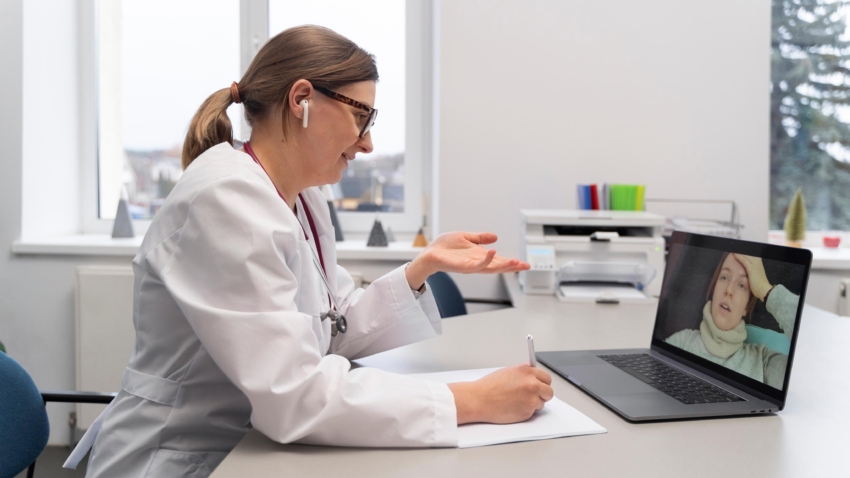
15 Powerful Telemedicine and Virtual Care Guides: The Ultimate Positive Review & Complete Student Handbook
Telemedicine and Virtual Care Guides: The Ultimate Positive Review & Complete Student Handbook


Introduction
Telemedicine and Virtual Care Guides: Healthcare has transformed dramatically in the digital era, and Telemedicine and Virtual Care Guides have become essential for patients, healthcare professionals, and students alike. Telemedicine allows patients to receive medical advice, diagnosis, follow-up care, and treatment remotely using digital technologies such as smartphones, computers, and video conferencing platforms.
The COVID-19 pandemic accelerated the adoption of telemedicine worldwide, making healthcare more accessible than ever before. Today, virtual healthcare is not just a temporary solution but a permanent part of modern medicine. Students pursuing medicine, nursing, pharmacy, physiotherapy, public health, and allied health sciences should understand telemedicine because it represents the future of healthcare delivery.
This comprehensive guide explains everything you need to know, including history, timeline, costs, benefits, challenges, significance, review, FAQs, and daily life impact.
What is Telemedicine?
Telemedicine refers to the use of digital communication technologies to provide healthcare services without requiring the patient and doctor to be physically present in the same location.
Virtual care includes:
- Video consultations
- Telephone consultations
- Online prescription services
- Digital follow-up appointments
- Mental health counseling
- Remote patient monitoring
- Chronic disease management
- Online medical education
History of Telemedicine
The concept of remote healthcare is older than many people realize.
Early Years
- 1879: Doctors began providing medical advice through telephone calls.
- 1920s: Ships communicated with hospitals via radio for emergency medical assistance.
- 1950s: Hospitals in North America experimented with television-based consultations.
- 1960s: Space agencies developed remote monitoring systems for astronauts.
- 1970s: Rural healthcare programs expanded telemedicine services.
- 1990s: Internet-based healthcare services became available.
- 2000s: Smartphones revolutionized telemedicine.
- 2020: COVID-19 dramatically increased virtual healthcare adoption globally.
Timeline of Telemedicine
| Year | Milestone |
|---|---|
| 1879 | Telephone consultations begin |
| 1924 | Radio medicine introduced |
| 1959 | Interactive television consultations |
| 1967 | Hospital telemedicine programs expand |
| 1990 | Internet healthcare emerges |
| 2007 | Smartphones transform telehealth |
| 2020 | Massive global telemedicine adoption |
| Present | AI-powered virtual healthcare continues growing |
How Telemedicine Works
A typical telemedicine appointment includes:
- Online appointment booking
- Digital patient registration
- Video or voice consultation
- Medical history review
- Digital diagnosis
- Electronic prescription
- Online payment
- Follow-up consultation if required
Types of Telemedicine
1. Live Video Consultation
Doctors consult patients through secure video conferencing.
2. Store-and-Forward
Medical images, laboratory reports, and patient information are sent electronically for specialist review.
3. Remote Patient Monitoring
Patients use wearable devices that transmit health data to healthcare providers.
Examples include:
- Blood pressure monitors
- Glucose monitors
- ECG devices
- Pulse oximeters
4. Mobile Health (mHealth)
Healthcare services delivered through smartphone applications.
Major Benefits of Telemedicine
1. Saves Time
Patients avoid long waiting hours.
2. Reduces Travel
Especially helpful for rural populations.
3. Better Access
Patients can consult specialists from distant cities.
4. Cost Effective
Travel, accommodation, and work absence expenses decrease.
5. Better Follow-up Care
Doctors can monitor recovery regularly.
6. Increased Convenience
Appointments can be scheduled from home.
7. Better Chronic Disease Management
Helpful for diabetes, hypertension, asthma, and heart disease.
8. Improved Mental Health Access
Virtual counseling reduces barriers to psychological care.
Estimated Costs of Telemedicine
Costs vary depending on the country, provider, and specialty.
| Service | Approximate Cost (India) |
|---|---|
| General Physician | ₹200–₹800 |
| Specialist Consultation | ₹500–₹2,000 |
| Mental Health Counseling | ₹600–₹3,000 |
| Follow-up Consultation | ₹200–₹800 |
| Remote Monitoring Programs | ₹1,000–₹10,000/month |
Many hospitals and insurance providers now include telemedicine consultations in their healthcare packages.
Technology Used
Telemedicine depends on modern technology, including:
- Smartphones
- Tablets
- Computers
- High-speed internet
- Electronic Health Records (EHR)
- AI chatbots
- Wearable medical devices
- Cloud computing
- Digital prescriptions
Importance for Medical Students
Students should understand telemedicine because it teaches:
- Digital communication skills
- Online patient management
- Electronic documentation
- Healthcare ethics
- Data privacy
- AI-assisted diagnosis
- Remote monitoring techniques
These skills are becoming essential in modern medical education.
Interesting Facts
- Millions of telemedicine consultations occur every month worldwide.
- Remote monitoring reduces unnecessary hospital admissions.
- Telemedicine improves healthcare access in rural communities.
- AI increasingly assists physicians in virtual care.
- Many hospitals now offer 24/7 online consultations.
Challenges
Although beneficial, telemedicine has limitations.
- Internet connectivity issues
- Limited physical examination
- Technology barriers for elderly patients
- Privacy concerns
- Data security risks
- Licensing regulations
- Digital literacy challenges
Significance of Telemedicine
Telemedicine is significant because it:
- Improves healthcare accessibility
- Reduces healthcare costs
- Supports emergency care
- Bridges rural healthcare gaps
- Helps during pandemics
- Enhances patient satisfaction
- Supports preventive healthcare
- Improves continuity of care
Why Telemedicine Matters in Daily Life
Telemedicine impacts everyday life by making healthcare more flexible and accessible. A working professional can consult a doctor during a lunch break, an elderly patient can receive follow-up care without traveling, and parents can quickly seek medical advice for children. It also supports ongoing management of chronic illnesses through regular virtual check-ins and remote monitoring.
Review: Is Telemedicine Worth It?
⭐⭐⭐⭐⭐ Overall Rating: 4.8/5
Pros
- Easy access to healthcare
- Saves time and travel costs
- Convenient for follow-up visits
- Expands access to specialists
- Useful for chronic disease management
Cons
- Physical examinations are limited
- Requires stable internet access
- Not suitable for every emergency
- Some patients may struggle with technology
Verdict: Telemedicine is an excellent complement to traditional healthcare. It works particularly well for routine consultations, follow-up visits, mental health support, and chronic disease management, while in-person care remains essential for emergencies and conditions requiring physical examination.
Important Points for Students
- Learn telemedicine ethics.
- Understand patient confidentiality.
- Practice professional online communication.
- Know legal regulations in your region.
- Stay updated with digital health technologies.
- Develop electronic record-keeping skills.
- Understand cybersecurity basics.
- Be aware of limitations requiring in-person referrals.
Observance and Awareness
Many medical schools, hospitals, and public health organizations conduct workshops, webinars, and awareness campaigns to educate healthcare professionals and the public about safe and effective telemedicine practices. These initiatives encourage responsible use of digital healthcare and promote equitable access.
Wishing Message
“Wishing everyone good health, easy access to quality healthcare, and a future where telemedicine helps every patient receive timely, compassionate, and effective medical care—no matter where they live.”
Frequently Asked Questions (FAQs)
1. What is telemedicine?
Telemedicine is the delivery of healthcare services through digital communication technologies such as video calls, phone calls, and secure messaging.
2. Is telemedicine safe?
Yes. When secure, encrypted platforms are used and patient privacy regulations are followed, telemedicine is generally safe.
3. Can doctors prescribe medicines online?
Yes, in many regions doctors can issue electronic prescriptions, subject to local laws and clinical judgment.
4. Is telemedicine suitable for emergencies?
No. Medical emergencies such as severe chest pain, major trauma, stroke symptoms, or difficulty breathing require immediate in-person emergency care.
5. Does telemedicine save money?
Yes. It often reduces travel expenses, waiting time, and indirect costs such as time away from work.
6. What equipment is needed?
A smartphone, tablet, or computer with a camera, microphone, speaker, and a reliable internet connection.
7. Can telemedicine replace hospitals?
No. It complements hospitals by improving access to care but cannot replace services that require physical examinations, surgery, or emergency treatment.
8. Why is telemedicine important for students?
It prepares future healthcare professionals for modern digital healthcare systems and enhances skills in communication, technology, and patient management.
Daily Life Impact
Telemedicine positively influences society by:
- Increasing healthcare accessibility
- Reducing travel-related stress
- Supporting preventive care
- Improving disease monitoring
- Enhancing health education
- Helping underserved communities
- Reducing unnecessary hospital visits
- Encouraging timely medical consultations
Conclusion
Telemedicine and Virtual Care Guides demonstrate how technology is reshaping healthcare for the better. By combining digital communication, remote monitoring, and professional medical expertise, telemedicine improves convenience, expands access, and supports better long-term health outcomes. While it cannot replace every aspect of face-to-face care, it has become an indispensable part of modern healthcare systems.
For students, learning about telemedicine is an investment in the future. Understanding its history, technology, ethics, benefits, challenges, and real-world applications will help prepare them for a healthcare environment where digital and in-person care work together. As technology continues to advance, telemedicine is expected to play an even greater role in improving patient care, reducing healthcare disparities, and creating a more connected and efficient health system for society.