


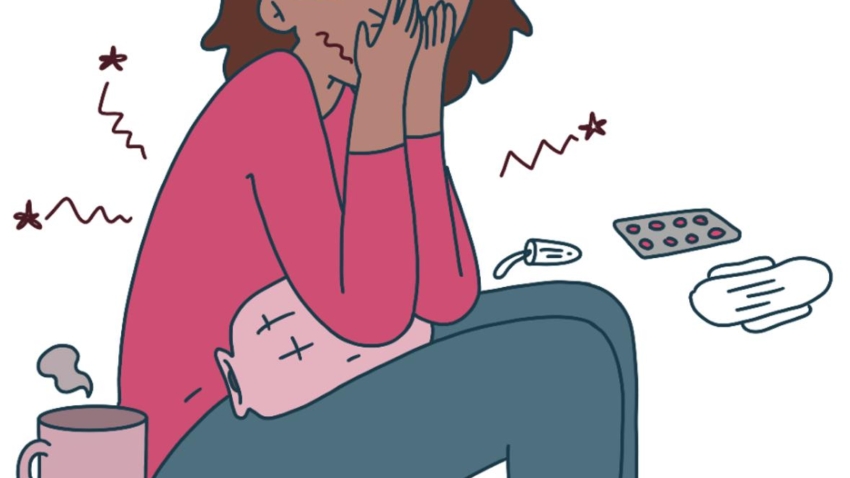
11 Powerful Facts About Depression During Your Period: Causes, Symptoms & Effective Ways to Manage It
Depression During Your Period: Causes, Symptoms and How to Manage It


Introduction
Depression During Your Period: Many women experience emotional changes before or during their menstrual cycle. While occasional mood swings are common, some individuals experience depression during their period, making everyday life difficult. Feelings of sadness, irritability, hopelessness, anxiety, fatigue, and loss of interest in normal activities may become overwhelming.
Hormonal fluctuations are one of the primary reasons behind these emotional changes. However, stress, genetics, lifestyle, nutrition, and existing mental health conditions can also contribute significantly.
Understanding why depression occurs during menstruation, recognizing the symptoms, and learning healthy coping strategies can improve both emotional and physical well-being. This guide provides students, healthcare learners, and the general public with comprehensive information about depression related to menstruation.
What Is Depression During Your Period?
Depression during your period refers to emotional symptoms that appear before or during menstruation. These symptoms can range from mild sadness to severe depression affecting work, education, relationships, and daily functioning.
It is commonly associated with:
- Premenstrual Syndrome (PMS)
- Premenstrual Dysphoric Disorder (PMDD)
- Existing depression becoming worse during menstruation
Although many women experience mood changes, severe depression should never be ignored.
History
Awareness of menstrual-related emotional symptoms dates back thousands of years.
Ancient Times
- Menstrual changes were often misunderstood.
- Emotional symptoms were linked to myths instead of biology.
19th Century
Doctors began recognizing menstrual mood disorders.
20th Century
Hormonal research explained the relationship between estrogen, progesterone, and brain chemicals.
Modern Medicine
Today, PMDD is recognized as a legitimate medical disorder, and mental health support has greatly improved.
Timeline
| Year | Development |
|---|---|
| Ancient Era | Menstrual mood changes documented |
| 1800s | Medical observations increased |
| 1950s | Hormonal research expanded |
| 1987 | PMDD gained medical attention |
| 2013 | PMDD officially recognized in psychiatric guidelines |
| Today | Better awareness, diagnosis, counseling, and treatment |
Why Does Depression Occur During Your Period?
Several biological and psychological factors contribute.
1. Hormonal Changes
Levels of estrogen and progesterone fluctuate before menstruation.
These hormones affect serotonin, the “feel-good” neurotransmitter responsible for mood regulation.
2. Serotonin Imbalance
Reduced serotonin may lead to:
- Sadness
- Anxiety
- Fatigue
- Food cravings
- Poor sleep
3. Stress
Academic pressure, family issues, workplace responsibilities, and financial stress may worsen symptoms.
4. Genetics
Women with a family history of depression or PMDD have a greater risk.
5. Previous Mental Health Disorders
Those already diagnosed with:
- Depression
- Anxiety
- Bipolar disorder
may experience worsening symptoms around menstruation.
Common Symptoms
Symptoms usually appear 5–10 days before menstruation.
Emotional Symptoms
- Sadness
- Crying
- Hopelessness
- Irritability
- Anger
- Anxiety
- Mood swings
- Feeling overwhelmed
- Loss of interest
- Poor concentration
Physical Symptoms
- Fatigue
- Headache
- Breast tenderness
- Bloating
- Muscle pain
- Sleep problems
- Appetite changes
Behavioral Symptoms
- Social withdrawal
- Reduced productivity
- Missing classes
- Poor academic performance
- Relationship conflicts
Difference Between PMS and PMDD
| PMS | PMDD |
|---|---|
| Mild symptoms | Severe symptoms |
| Slight mood changes | Major depression |
| Daily activities continue | Daily activities affected |
| Usually manageable | Often requires medical treatment |
Risk Factors
You may be more likely to experience depression during menstruation if you have:
- Family history
- Chronic stress
- Anxiety disorders
- Depression
- Hormonal imbalance
- Thyroid disease
- Poor sleep
- Smoking
- Alcohol use
Diagnosis
Healthcare professionals may recommend:
- Symptom diary for two menstrual cycles
- Medical history
- Mental health assessment
- Hormone evaluation if necessary
- Blood tests to exclude other causes
Treatment Options
Lifestyle Changes
Healthy routines significantly reduce symptoms.
Exercise
Aim for 30 minutes most days.
Benefits include:
- Better mood
- Reduced stress
- Improved sleep
- Higher serotonin levels
Healthy Diet
Eat more:
- Fruits
- Vegetables
- Whole grains
- Nuts
- Seeds
- Fish
- Protein-rich foods
Reduce:
- Excess sugar
- Caffeine
- Alcohol
- Highly processed foods
Better Sleep
Aim for 7–9 hours of quality sleep.
Stress Management
Helpful methods include:
- Meditation
- Yoga
- Journaling
- Deep breathing
- Mindfulness
Counseling
Psychological therapy can help identify unhealthy thought patterns.
Common therapies include:
- Cognitive Behavioral Therapy (CBT)
- Stress management counseling
- Emotional support groups
Medications
Doctors may prescribe:
- SSRIs
- Hormonal contraceptives
- Pain relievers
- Vitamin supplements (if deficient)
Never start medication without medical advice.
Home Remedies
Many women find relief through:
- Warm baths
- Heating pads
- Herbal tea
- Walking
- Stretching
- Listening to music
- Talking with trusted friends
- Maintaining hydration
Nutrition That Supports Mental Health
Helpful nutrients include:
- Omega-3 fatty acids
- Vitamin D
- Vitamin B6
- Magnesium
- Calcium
- Iron
- Zinc
Daily Self-Care Checklist
✔ Drink enough water
✔ Sleep regularly
✔ Exercise daily
✔ Avoid smoking
✔ Reduce caffeine
✔ Eat balanced meals
✔ Practice relaxation
✔ Keep a symptom journal
✔ Reach out for support
Costs of Treatment
Costs vary depending on country and healthcare system.
Approximate expenses may include:
| Service | Estimated Cost |
|---|---|
| Doctor consultation | Varies by location |
| Counseling session | Moderate to high |
| Blood investigations | Moderate |
| Prescription medicines | Varies |
| Lifestyle interventions | Usually affordable |
Many lifestyle improvements, such as walking, healthy eating, and meditation, have little or no cost.
Importance for Students
Students often experience additional stress from:
- Exams
- Assignments
- Hostel life
- Sleep deprivation
- Social pressure
Recognizing menstrual depression can improve:
- Attendance
- Concentration
- Academic performance
- Confidence
- Relationships
Educational institutions should promote menstrual and mental health awareness.
Importance in Daily Life
Managing menstrual depression helps:
- Improve emotional stability
- Strengthen relationships
- Increase workplace productivity
- Enhance self-confidence
- Improve quality of life
- Support long-term mental health
Importance to Society
Greater awareness can:
- Reduce stigma around menstruation and mental health
- Encourage early diagnosis
- Improve healthcare access
- Support gender equality
- Promote workplace and school accommodations
- Encourage compassionate conversations
Interesting Facts
- Hormones affect brain chemistry.
- Not everyone experiences depression during menstruation.
- PMDD affects a smaller percentage of menstruating individuals but can be severe.
- Regular exercise can improve mood naturally.
- Sleep quality strongly influences menstrual mental health.
- Keeping a menstrual diary helps identify symptom patterns.
Common Myths
Myth: Depression during periods is “just emotional.”
Fact: It can be a genuine medical condition.
Myth: Everyone experiences severe mood swings.
Fact: Symptoms vary widely.
Myth: Nothing helps.
Fact: Lifestyle changes, therapy, and medical treatment can greatly reduce symptoms.
Prevention Tips
- Maintain regular exercise
- Sleep adequately
- Eat nutritious meals
- Reduce stress
- Stay hydrated
- Avoid excessive alcohol
- Limit caffeine
- Practice mindfulness
- Seek early medical advice if symptoms are severe
Warning Signs Requiring Immediate Medical Help
Seek professional help if:
- Depression lasts beyond the menstrual cycle
- Thoughts of self-harm occur
- Daily activities become impossible
- Severe anxiety develops
- Panic attacks become frequent
Mental health emergencies require prompt attention.
Frequently Asked Questions (FAQs)
1. Is depression during periods normal?
Mild mood changes are common, but severe depression should be evaluated by a healthcare professional.
2. Can hormones really affect mood?
Yes. Estrogen and progesterone influence serotonin, which helps regulate mood.
3. Can exercise help?
Yes. Regular physical activity is associated with improved mood and reduced stress.
4. Is PMDD curable?
PMDD can often be managed effectively through lifestyle changes, therapy, and medication when appropriate.
5. Should students ignore menstrual depression?
No. Early support can improve academic performance and overall well-being.
6. Can healthy eating reduce symptoms?
A balanced diet may help support overall mental and physical health.
7. When should I see a doctor?
If symptoms are severe, persistent, or interfere with daily life, consult a qualified healthcare professional.
Review
Content Rating: ★★★★★ (5/5)
What This Guide Covers
- ✔ Causes of depression during menstruation
- ✔ Symptoms and warning signs
- ✔ PMS vs PMDD
- ✔ Diagnosis and treatment
- ✔ Student-focused guidance
- ✔ Lifestyle and self-care tips
- ✔ Costs overview
- ✔ Prevention strategies
- ✔ Myths and facts
- ✔ FAQs
- ✔ Daily life and societal significance
Who Should Read This?
- Students
- Nursing students
- Medical students
- Healthcare professionals
- Teachers
- Parents
- Women seeking reliable health information
- Anyone interested in menstrual and mental health
Important Points to Remember
- Hormonal changes can affect mood.
- Severe depression is not “just part of being on your period.”
- Healthy lifestyle habits can make a meaningful difference.
- Early diagnosis leads to better outcomes.
- Mental health deserves the same attention as physical health.
- Support from family, friends, schools, and workplaces is valuable.
Conclusion
Depression during your period is a real and important health concern that deserves understanding, compassion, and appropriate care. While temporary mood changes are common during the menstrual cycle, persistent or severe depression can interfere with education, work, relationships, and overall quality of life. Recognizing the symptoms early, maintaining a healthy lifestyle, managing stress, and seeking professional help when needed can significantly improve emotional well-being.
For students, awareness of menstrual mental health can support better concentration, attendance, and academic success. For society, open conversations about menstruation and mental health help reduce stigma and encourage timely care. By combining self-care with evidence-based medical support when necessary, individuals can manage symptoms effectively and lead healthier, more fulfilling lives.








Leave a Reply