


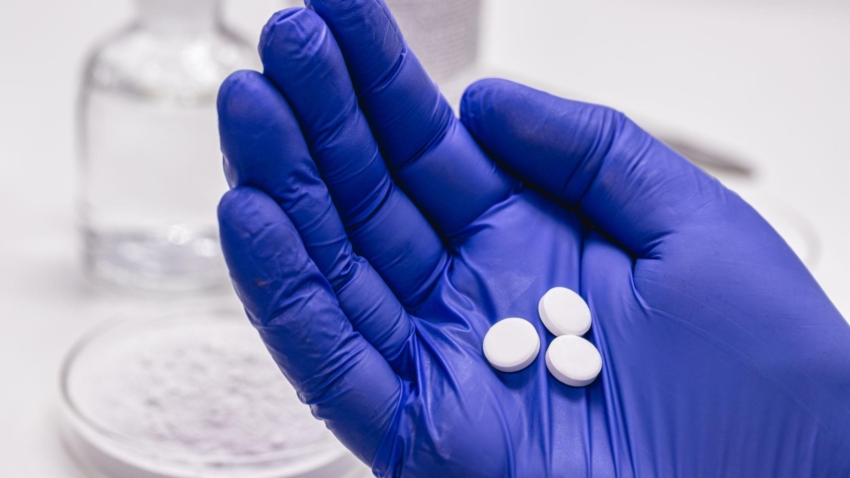
15 Powerful Aspirin Facts: The Complete History, Benefits, Costs, Uses, Risks & Daily Life Impact (2026 Guide)
Aspirin: Complete History, Benefits, Costs, Facts, Timeline, Significance, Uses, Risks, FAQs & Daily Life Impact (2026 Guide)


Table of Contents
- Introduction
- What is Aspirin?
- History of Aspirin
- Timeline
- How Aspirin Works
- Common Uses
- Costs Around the World
- Benefits
- Risks and Side Effects
- Amazing Facts
- Importance in Daily Life
- Significance to Society
- Observance and Awareness
- Aspirin Review
- Wishing Messages
- FAQs
- Important Points
- Conclusion
Introduction
Aspirin is one of the world’s oldest, most trusted, and most widely used medicines. Millions of people take Aspirin every day to relieve pain, reduce fever, lower inflammation, and, in specific medical situations, reduce the risk of heart attacks and strokes under a doctor’s guidance.
For more than a century, Aspirin has remained a symbol of affordable healthcare. From homes and hospitals to emergency medical kits, it has played an essential role in improving people’s quality of life.
Although Aspirin is available without a prescription in many countries, it is not suitable for everyone. Understanding its benefits, risks, and proper use helps ensure safer and more effective treatment.
What is Aspirin?
Aspirin is a medicine scientifically known as acetylsalicylic acid (ASA).
It belongs to a group of medicines called nonsteroidal anti-inflammatory drugs (NSAIDs).
Doctors commonly recommend Aspirin for:
- Pain relief
- Fever reduction
- Reducing inflammation
- Prevention of blood clots in selected patients
- Lowering the risk of heart attack
- Stroke prevention in specific individuals
History of Aspirin


The story of Aspirin began thousands of years ago.
Ancient Egyptians, Greeks, and Native American communities discovered that willow bark could reduce pain and fever. Willow bark contains salicin, a natural compound that later inspired modern Aspirin.
In 1897, Felix Hoffmann, a chemist working for Bayer, successfully synthesized a stable form of acetylsalicylic acid.
By 1899, Bayer introduced Aspirin commercially, and it quickly became one of the world’s first blockbuster medicines.
During the 20th century, researchers discovered Aspirin’s ability to prevent blood clot formation, revolutionizing cardiovascular medicine.
Today, Aspirin remains one of the most researched medicines in medical history.
Aspirin Timeline
| Year | Milestone |
|---|---|
| Ancient Times | Willow bark used for pain relief |
| 1763 | Scientific observations of willow bark published |
| 1828 | Salicin isolated from willow |
| 1897 | Felix Hoffmann synthesizes Aspirin |
| 1899 | Bayer launches Aspirin |
| 1950 | Aspirin becomes one of the best-selling drugs |
| 1971 | Mechanism discovered by Sir John Vane |
| 1982 | Nobel Prize awarded for Aspirin research |
| Today | Used worldwide for pain relief and cardiovascular care |
How Aspirin Works
Aspirin blocks enzymes known as COX-1 and COX-2.
These enzymes produce prostaglandins, which cause:
- Pain
- Fever
- Swelling
- Inflammation
Aspirin also reduces platelet activity, helping prevent blood clots.
This is why doctors prescribe low-dose Aspirin for selected patients with cardiovascular disease. However, taking daily Aspirin without medical advice can increase the risk of bleeding and is not recommended for everyone.
Common Uses of Aspirin
Doctors use Aspirin for many conditions, including:
- Headaches
- Toothaches
- Muscle pain
- Arthritis
- Fever
- Joint pain
- Heart attack prevention
- Stroke prevention
- Certain cardiovascular conditions
Aspirin Costs Around the World
The price of Aspirin is relatively affordable compared to many medicines.
Approximate prices:
| Country | Estimated Cost |
|---|---|
| India | ₹10–₹100 per strip |
| United States | $3–$20 per bottle |
| United Kingdom | £1–£6 |
| Australia | AUD $3–$12 |
| Canada | CAD $4–$15 |
Prices vary depending on brand, dosage, packaging, and pharmacy.
Benefits of Aspirin
Some major benefits include:
Pain Relief
Effective for headaches, muscle pain, dental pain, and menstrual discomfort.
Fever Reduction
Helps lower body temperature during infections.
Anti-inflammatory Action
Useful in certain inflammatory conditions such as arthritis.
Heart Protection
In selected patients, low-dose Aspirin helps reduce the risk of heart attacks by decreasing blood clot formation.
Stroke Prevention
Doctors may recommend Aspirin after certain types of stroke to reduce the chance of another event.
Risks and Side Effects
Although Aspirin offers many benefits, it also has potential risks.
Possible side effects include:
- Upset stomach
- Heartburn
- Nausea
- Stomach ulcers
- Gastrointestinal bleeding
- Allergic reactions
- Ringing in the ears (with high doses)
Children recovering from viral illnesses should generally avoid Aspirin unless specifically directed by a healthcare professional because of the risk of a rare but serious condition called Reye’s syndrome.
15 Amazing Facts About Aspirin
- More than 100 years old.
- Derived from willow bark research.
- One of the most studied medicines.
- Used in over 80 countries.
- Available without prescription in many regions.
- Helps reduce fever.
- Relieves inflammation.
- Can reduce blood clot formation.
- Millions take low-dose Aspirin daily under medical advice.
- Used in emergency treatment for some suspected heart attacks when advised by emergency services or clinicians.
- Available in chewable forms.
- Included in many first-aid kits.
- Extremely affordable.
- Continues to be the subject of medical research.
- Has transformed cardiovascular care for many patients.
Importance in Daily Life
Aspirin has become a trusted medicine in households around the world. It helps people manage common aches and pains, recover more comfortably from minor illnesses, and, for some patients, supports long-term heart health under medical supervision.
Its affordability means that people across different economic backgrounds can access a medicine that has had a significant impact on public health. At the same time, responsible use is essential. Following dosage instructions and seeking medical advice for long-term use helps maximize benefits while reducing risks.
Significance to Society
Aspirin has contributed greatly to modern healthcare by:
- Reducing pain worldwide
- Supporting cardiovascular treatment
- Improving quality of life
- Lowering healthcare costs due to its affordability
- Advancing pharmaceutical research
- Saving lives in appropriate clinical settings
Its discovery also inspired scientists to develop many other important medicines.
Observance and Awareness
There is no internationally recognized annual “Aspirin Day.” Instead, awareness about Aspirin is promoted through:
- Public health campaigns on heart disease and stroke prevention
- Educational programs on safe medication use
- Pharmacy counseling
- Healthcare provider guidance
These efforts emphasize using Aspirin only when appropriate and understanding both its benefits and potential risks.
Aspirin Review
⭐⭐⭐⭐⭐ Overall Rating: 4.7/5
Pros
- Affordable
- Easily available
- Effective pain relief
- Reduces fever
- Anti-inflammatory
- Proven cardiovascular benefits for appropriate patients
- Well researched
Cons
- May cause stomach irritation
- Risk of bleeding
- Not suitable for everyone
- Requires medical guidance for long-term daily use
Best For
- Adults needing temporary pain or fever relief (when appropriate)
- Patients whose doctors recommend low-dose Aspirin for cardiovascular prevention
Overall Verdict
Aspirin remains one of the most valuable medicines ever developed. When used correctly and under appropriate guidance, it offers significant health benefits. However, because it can increase bleeding risk and is not appropriate for everyone, informed and responsible use is essential.
Wishing Messages About Health
Here are some thoughtful health wishes inspired by the importance of medicines like Aspirin:
- “Wishing you good health, strength, and a life filled with happiness.”
- “May every day bring you better health and brighter moments.”
- “Stay healthy, stay safe, and take care of yourself and your loved ones.”
- “Good health is life’s greatest wealth—may you always enjoy it.”
- “Take care of your heart, your body, and your well-being every day.”
Frequently Asked Questions (FAQs)
Is Aspirin safe for everyone?
No. People with bleeding disorders, stomach ulcers, certain allergies, or specific medical conditions should consult a healthcare professional before using it.
Can children take Aspirin?
Generally, children and teenagers with viral illnesses should not take Aspirin unless specifically instructed by a healthcare professional because of the risk of Reye’s syndrome.
Can Aspirin prevent heart attacks?
For some people at high cardiovascular risk or with a history of heart attack or stroke, doctors may prescribe low-dose Aspirin. It is not recommended as a routine preventive medicine for everyone.
Can Aspirin reduce fever?
Yes, it can reduce fever in many adults.
Should I take Aspirin every day?
Only if your doctor recommends it. Daily Aspirin therapy can increase the risk of bleeding and is not suitable for everyone.
Is Aspirin expensive?
No. It is generally one of the most affordable medicines available.
What is Aspirin made from?
Its active ingredient is acetylsalicylic acid, a synthetic compound inspired by salicin found in willow bark.
Can Aspirin be taken with food?
Taking it with food or after meals may help reduce stomach irritation, but follow the instructions provided by your healthcare professional or the product label.
Important Points
- One of the oldest medicines still widely used.
- Effective for pain, fever, and inflammation.
- Important in selected cardiovascular treatments.
- Affordable and widely available.
- Not suitable for everyone.
- Daily use should only be under medical guidance.
- Can increase the risk of bleeding.
- Should be kept out of the reach of children.
- Follow dosage instructions carefully.
- Consult a healthcare professional if you experience unusual symptoms or have underlying medical conditions.
Conclusion
Aspirin has earned its place as one of the most influential medicines in medical history. From its origins in ancient willow bark remedies to its modern role in pain management and cardiovascular care, it has improved the lives of millions of people worldwide.
Its combination of effectiveness, affordability, and extensive scientific research makes it a cornerstone of healthcare. However, like all medicines, Aspirin should be used responsibly. Understanding when it is appropriate, recognizing its potential side effects, and following professional medical advice are essential for safe use.
Ultimately, Aspirin is more than just a tablet—it represents over a century of medical progress and a commitment to improving human health. When used wisely, it continues to make a meaningful difference in everyday life, helping people manage pain, support heart health in appropriate cases, and live healthier, more comfortable lives.







Leave a Reply