


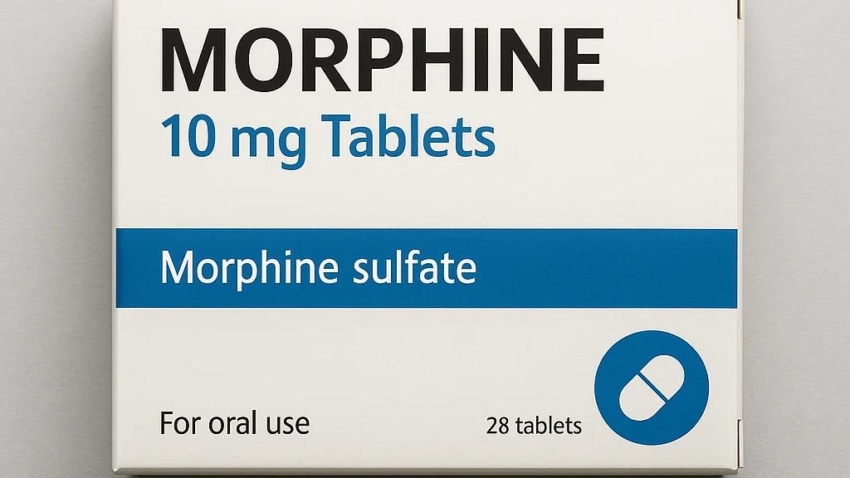
15 Powerful Facts About Morphine: The Complete Guide to Uses, Benefits, Costs, History & Safe Pain Relief
Morphine: The Complete Guide to Uses, Benefits, Costs, History & Safe Pain Relief


Introduction
Morphine is one of the oldest and most effective opioid pain-relieving medications used in modern medicine. For more than two centuries, it has played a vital role in helping patients manage moderate to severe pain, especially after surgery, serious injuries, cancer treatment, and during palliative or end-of-life care.
Morphine is often considered the gold standard against which many other opioid pain medications are compared because of its proven effectiveness and long history of medical use. It works by changing how the brain and spinal cord perceive pain, allowing patients with severe discomfort to experience meaningful relief and improved quality of life.
Although Morphine provides excellent pain control, it also carries important risks, including dependence, misuse, addiction, overdose, and respiratory depression. Because of these potential risks, it should always be prescribed, monitored, and used under the supervision of qualified healthcare professionals.
This comprehensive guide explains everything you need to know about Morphine in simple, human-friendly language, including its history, costs, benefits, side effects, timeline, significance, review, FAQs, and its impact on society.
What Is Morphine?
Morphine is a natural opioid analgesic extracted from the opium poppy. It acts directly on opioid receptors located in the brain, spinal cord, and other parts of the nervous system to reduce the sensation of pain.
It is available in several formulations, including:
- Immediate-release tablets
- Extended-release tablets
- Oral solutions
- Injectable formulations
- Suppositories
- Patient-controlled analgesia (PCA) systems used in hospitals
Doctors prescribe Morphine for:
- Severe postoperative pain
- Cancer pain
- Trauma and major injuries
- Heart attack-related pain in selected situations
- Palliative and hospice care
- Severe chronic pain when appropriate
Morphine is considered an essential medicine because of its importance in treating severe pain worldwide.
History of Morphine
Morphine has a remarkable place in medical history.
In 1804, German pharmacist Friedrich Sertürner successfully isolated Morphine from opium, making it the first alkaloid ever extracted from a plant. He named it after Morpheus, the Greek god of dreams, because of its sleep-inducing effects.
Throughout the 19th century, Morphine revolutionized pain treatment, particularly during wars and surgical procedures. The invention of the hypodermic syringe in the 1850s further expanded its medical use by allowing direct injection into the bloodstream.
Over time, healthcare professionals also recognized Morphine’s potential for dependence and addiction, leading to stricter regulations and improved prescribing practices.
Today, Morphine remains one of the most important medicines for severe pain management and is included on the World Health Organization Model List of Essential Medicines.
Timeline of Morphine
| Year | Milestone |
|---|---|
| 1804 | Morphine isolated by Friedrich Sertürner |
| 1817 | Scientific publication describing Morphine |
| 1850s | Injectable Morphine becomes widely used |
| Late 1800s | Expanded surgical and military use |
| Mid-1900s | Standard treatment for severe pain |
| 1977 | Included on the WHO Model List of Essential Medicines |
| 2000s–2020s | Continued use with enhanced opioid safety guidelines |
How Does Morphine Work?
Morphine binds to opioid receptors throughout the central nervous system.
Its effects include:
- Reducing pain perception
- Increasing pain tolerance
- Producing calming and sedative effects
- Relieving severe discomfort associated with serious illnesses
Because it also affects the brain’s breathing centers, high doses or misuse can slow breathing, making careful dosing essential.
Common Uses of Morphine
Healthcare professionals prescribe Morphine for:
- Cancer pain
- Major surgical pain
- Trauma and fractures
- Severe burns
- Palliative care
- End-of-life comfort care
- Heart attack-related pain in selected patients
- Severe chronic pain when other treatments are inadequate
Morphine is generally reserved for significant pain that cannot be adequately controlled with non-opioid medications.
Forms of Morphine
Morphine is available in multiple dosage forms:
Immediate-Release Tablets
Provide relatively rapid pain relief.
Extended-Release Tablets
Offer continuous pain control for chronic severe pain.
Oral Solution
Suitable for patients who cannot swallow tablets.
Injection
Used in hospitals for rapid pain control.
PCA Pumps
Allow hospitalized patients to self-administer controlled doses under medical supervision.
Cost of Morphine
Costs vary depending on the country, dosage, formulation, and manufacturer.
| Country | Estimated Cost |
|---|---|
| India | ₹30–₹500 (depending on formulation and regulations) |
| United States | $10–$100 (generic) |
| United Kingdom | Available through the National Health Service when prescribed |
| Europe | Prices vary according to national healthcare systems |
Generic Morphine is widely available and generally more affordable than branded products.
Benefits of Morphine
Major advantages include:
- Extremely effective pain relief
- Essential for cancer pain management
- Improves comfort after major surgery
- Supports palliative and hospice care
- Multiple formulations available
- Well studied for more than 200 years
- Generic versions improve accessibility
- Helps improve quality of life for patients with severe pain
Possible Side Effects
Common Side Effects
- Drowsiness
- Constipation
- Nausea
- Vomiting
- Dry mouth
- Dizziness
- Sweating
Serious Side Effects
- Respiratory depression
- Dependence and addiction
- Overdose
- Severe allergic reactions
- Low blood pressure
- Confusion
- Withdrawal symptoms after prolonged use
Emergency medical care is required if severe breathing problems or overdose symptoms occur.
Who Should Avoid Morphine?
Morphine may not be appropriate for everyone.
Consult a healthcare professional if you have:
- Severe asthma or breathing disorders
- Sleep apnea
- Severe liver disease
- Significant kidney disease
- History of opioid misuse
- Allergy to opioids
- Gastrointestinal obstruction
- Pregnancy or breastfeeding unless specifically advised
Special caution is also needed in older adults because they may be more sensitive to its effects.
15 Interesting Facts About Morphine
- Morphine was first isolated in 1804.
- It was the first alkaloid ever isolated from a plant.
- It is named after the Greek god Morpheus.
- It remains the benchmark for opioid pain medicines.
- It is on the WHO Model List of Essential Medicines.
- It is available worldwide.
- It is used extensively in cancer pain management.
- It plays a key role in palliative care.
- It can be administered orally or by injection.
- Generic formulations are widely available.
- Safe storage helps prevent accidental poisoning.
- Long-term use may lead to physical dependence.
- Alcohol increases the risk of dangerous side effects.
- Healthcare professionals carefully monitor treatment.
- Responsible prescribing improves patient safety.
Review Section
Overall Rating: ⭐⭐⭐⭐⭐ (4.8/5)
| Category | Rating |
|---|---|
| Pain Relief | ⭐⭐⭐⭐⭐ |
| Effectiveness for Severe Pain | ⭐⭐⭐⭐⭐ |
| Availability | ⭐⭐⭐⭐☆ |
| Cost | ⭐⭐⭐⭐⭐ |
| Ease of Use | ⭐⭐⭐⭐☆ |
| Long-term Safety | ⭐⭐⭐☆☆ |
Pros
- Excellent relief for severe pain
- Essential for cancer and palliative care
- Extensive clinical experience
- Multiple dosage forms
- Affordable generic versions
Cons
- Risk of dependence and addiction
- Can cause respiratory depression
- Commonly causes constipation
- Requires careful monitoring
- Strict prescribing regulations in many countries
Frequently Asked Questions (FAQs)
1. What is Morphine used for?
Morphine is used to treat moderate to severe pain, especially after surgery, cancer treatment, serious injuries, and in palliative care.
2. Is Morphine an opioid?
Yes. Morphine is a natural opioid analgesic.
3. Can Morphine cause addiction?
Yes. Long-term or inappropriate use can lead to dependence, misuse, and addiction.
4. Can I drink alcohol while taking Morphine?
No. Alcohol greatly increases the risk of severe drowsiness, breathing problems, and overdose.
5. Can I drive while taking Morphine?
Morphine may impair alertness and coordination. Avoid driving or operating machinery until you know how it affects you.
6. Is Morphine safe during pregnancy?
Its use during pregnancy should only occur when prescribed after careful evaluation of the benefits and risks.
7. Can Morphine interact with other medicines?
Yes. It interacts with sedatives, sleeping medications, alcohol, certain antidepressants, and other opioids.
8. Can Morphine be stopped suddenly?
If used regularly for an extended period, it should not be stopped abruptly. A healthcare professional can guide a gradual reduction to help prevent withdrawal symptoms.
9. How should Morphine be stored?
Store it securely in its original container, out of reach of children, pets, and anyone for whom it was not prescribed.
10. What should I do if an overdose is suspected?
Call emergency medical services immediately. Symptoms such as extreme sleepiness, slowed breathing, or inability to wake the person require urgent medical attention.
Significance of Morphine
Morphine has transformed healthcare by:
- Setting the standard for severe pain management
- Improving comfort for patients with cancer
- Supporting compassionate end-of-life care
- Enabling safer major surgical procedures
- Improving recovery after traumatic injuries
- Remaining an essential medicine in healthcare systems worldwide
Its contribution to medicine extends beyond pain relief, influencing modern palliative care and pain management practices.
Importance in Our Daily Life
Although Morphine is not part of everyday self-care, it has a profound impact on the lives of people facing severe pain. It helps:
- Reduce suffering after major surgery
- Improve comfort during cancer treatment
- Support rehabilitation after serious injuries
- Enable better sleep and daily functioning for patients with severe pain
- Provide dignity and comfort during palliative and hospice care
When prescribed responsibly, Morphine can significantly improve quality of life for individuals experiencing severe pain.
Important Safety Points
- Take Morphine only as prescribed.
- Never increase the dose without medical advice.
- Avoid alcohol and unauthorized sedative medicines.
- Inform your healthcare provider about all medications and supplements you take.
- Store Morphine securely to prevent accidental ingestion or misuse.
- Dispose of unused medication through approved take-back programs or according to local healthcare guidance.
- Seek emergency medical care immediately if severe drowsiness, difficulty breathing, or overdose symptoms occur.
A Health Awareness Message
Relieving severe pain is an essential part of compassionate healthcare. Morphine has helped millions of patients around the world by providing effective pain control during some of life’s most difficult moments. However, because it is a powerful opioid medication, it must always be used responsibly under medical supervision.
Patients, caregivers, healthcare professionals, and communities all play an important role in promoting safe opioid use, preventing misuse, and ensuring that people who genuinely need pain relief can receive it.
Conclusion
Morphine remains one of the most important and trusted medications for the treatment of moderate to severe pain. With a history spanning more than 200 years, it has transformed the way healthcare professionals manage pain after surgery, during cancer treatment, following traumatic injuries, and in palliative care.
Despite its remarkable effectiveness, Morphine is not without risks. Dependence, respiratory depression, overdose, and medication interactions require careful prescribing, close monitoring, and informed patient participation. These safety measures help ensure that patients receive the benefits of pain relief while minimizing potential harm.
When used exactly as directed by qualified healthcare professionals, Morphine provides compassionate, effective, and life-changing relief for people experiencing severe pain. Its continued role as an essential medicine reflects its lasting importance in improving patient comfort, supporting recovery, and enhancing quality of life across the world.








Leave a Reply