


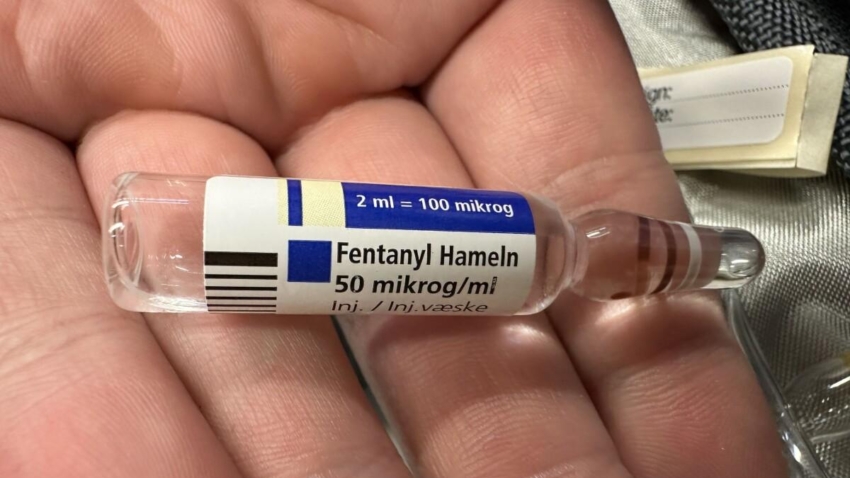
15 Powerful Facts About Fentanyl: The Essential Guide to Benefits, Risks, History, Costs & Safe Medical Use
Fentanyl: The Essential Guide to Benefits, Risks, History, Costs & Safe Medical Use


Introduction
Fentanyl is one of the most powerful prescription opioid medications used in modern medicine. It is a synthetic opioid that is estimated to be 50–100 times more potent than Morphine, making it highly effective for treating severe pain when administered under strict medical supervision.
Doctors use prescription Fentanyl in hospitals, surgical centers, emergency departments, intensive care units, and cancer pain management. It is available as injections, transdermal patches, and certain specialized formulations for carefully selected patients with chronic severe pain.
Because of its potency, Fentanyl also carries serious risks, including respiratory depression, overdose, dependence, and death if used improperly. It is important to distinguish prescription pharmaceutical Fentanyl, which has legitimate medical uses, from illegally manufactured fentanyl, which has contributed significantly to overdose deaths in many countries. Illicit fentanyl is unpredictable in strength and should never be confused with regulated medical products.
This comprehensive guide explains the history, costs, uses, benefits, risks, timeline, significance, FAQs, and societal impact of Fentanyl in a simple, human-friendly way.
What Is Fentanyl?
Fentanyl is a synthetic opioid analgesic developed specifically to provide powerful pain relief.
Healthcare professionals prescribe it for:
- Severe postoperative pain
- Advanced cancer pain
- Chronic severe pain in opioid-tolerant patients
- Pain during major surgery
- Intensive care sedation (in selected settings)
Prescription Fentanyl is available as:
- Injection
- Transdermal skin patches
- Buccal tablets
- Lozenges
- Sublingual tablets
- Nasal spray (for selected patients)
These formulations are intended for specific medical situations and should only be used under professional guidance.
History of Fentanyl
Fentanyl was first synthesized in 1959 by the Belgian physician and pharmacologist Paul Janssen, founder of Janssen Pharmaceutica.
The medication entered clinical use during the 1960s because of its rapid onset and exceptional potency, making it valuable for anesthesia and severe pain management.
Over the following decades, new delivery systems such as skin patches and oral formulations expanded its medical use, particularly for cancer patients with chronic pain.
Beginning in the 2010s, illegally manufactured fentanyl became a major contributor to the opioid overdose crisis in several countries. This public health issue led to stricter prescribing guidelines, improved monitoring, and increased public awareness about opioid safety.
Despite these challenges, prescription Fentanyl remains an essential medication when used appropriately in carefully selected patients.
Timeline of Fentanyl
| Year | Milestone |
|---|---|
| 1959 | Fentanyl synthesized by Paul Janssen |
| 1960s | Approved for medical anesthesia |
| 1980s | Expanded use in pain management |
| 1990s | Transdermal patches introduced |
| 2000s | Additional specialized formulations developed |
| 2010s | Increased attention to opioid safety and illicit fentanyl |
| 2020s | Continued medical use under enhanced prescribing and monitoring practices |
How Does Fentanyl Work?
Fentanyl binds to opioid receptors in the brain and spinal cord.
Its actions include:
- Blocking pain signals
- Reducing pain perception
- Increasing pain tolerance
- Producing sedation during anesthesia
Because it is extremely potent, even small dosing errors can have serious consequences, which is why healthcare professionals carefully calculate doses based on the patient’s medical condition and opioid tolerance.
Common Medical Uses of Fentanyl
Doctors prescribe prescription Fentanyl for:
- Severe cancer pain
- Major surgical procedures
- Postoperative pain
- Intensive care sedation
- Chronic severe pain in opioid-tolerant adults
- Breakthrough cancer pain using specific formulations
It is not appropriate for routine headaches, minor injuries, or everyday aches and pains.
Forms of Fentanyl
Prescription Fentanyl is available in several formulations:
Injection
Used in hospitals for surgery, emergency medicine, and intensive care.
Transdermal Patch
Provides continuous pain relief over several days for selected opioid-tolerant patients.
Buccal Tablets
Designed for breakthrough cancer pain in appropriate patients.
Lozenges
Used in carefully selected cancer pain management.
Nasal Spray
Provides rapid relief for breakthrough pain in selected patients.
Each formulation has unique dosing requirements and should never be substituted without medical guidance.
Cost of Fentanyl
The cost depends on the formulation, dosage, country, and healthcare system.
| Country | Estimated Cost |
|---|---|
| India | Availability varies; hospital formulations and patches are available under prescription |
| United States | Approximately $20–$300 depending on formulation and insurance coverage |
| United Kingdom | Available through specialist prescribing within the healthcare system |
| Europe | Costs vary according to national healthcare policies |
Generic formulations can reduce treatment costs where available.
Benefits of Fentanyl
Prescription Fentanyl offers several important advantages:
- Extremely effective for severe pain
- Rapid onset of action
- Valuable during surgery
- Essential for anesthesia
- Improves quality of life for many cancer patients
- Multiple dosage forms
- Well studied in medical practice
- Essential for modern critical care and pain management
Possible Side Effects
Common Side Effects
- Drowsiness
- Nausea
- Constipation
- Dizziness
- Dry mouth
- Sweating
Serious Side Effects
- Respiratory depression
- Dependence
- Addiction
- Overdose
- Low blood pressure
- Severe allergic reactions
- Confusion
- Withdrawal symptoms if stopped abruptly after prolonged use
Immediate emergency medical care is required if breathing becomes slow, shallow, or stops.
Who Should Avoid Fentanyl?
Fentanyl may not be appropriate for everyone.
Consult a healthcare professional if you have:
- Severe breathing disorders
- Sleep apnea
- Significant liver disease
- History of opioid misuse
- Allergy to opioids
- Pregnancy or breastfeeding (unless specifically advised)
- Acute pain that can be managed with safer alternatives
Transdermal patches are generally reserved for opioid-tolerant patients because of the risk of life-threatening overdose in opioid-naïve individuals.
15 Interesting Facts About Fentanyl
- Fentanyl was first synthesized in 1959.
- It is a synthetic opioid.
- It is approximately 50–100 times more potent than morphine.
- It is widely used during major surgery.
- It plays a vital role in anesthesia.
- It is available as injections, patches, sprays, and lozenges.
- Prescription fentanyl is carefully manufactured under strict quality standards.
- Illegally manufactured fentanyl is a major public health concern and differs from prescribed pharmaceutical products.
- It is used extensively in cancer pain management.
- Generic versions are available in many countries.
- It requires careful dose selection.
- Safe storage helps prevent accidental exposure.
- Healthcare professionals closely monitor patients receiving fentanyl.
- It is included in many hospital pain management protocols.
- Responsible prescribing improves patient safety.
Review Section
Overall Rating: ⭐⭐⭐⭐⭐ (4.7/5)
| Category | Rating |
|---|---|
| Pain Relief | ⭐⭐⭐⭐⭐ |
| Surgical Effectiveness | ⭐⭐⭐⭐⭐ |
| Cancer Pain Management | ⭐⭐⭐⭐⭐ |
| Availability | ⭐⭐⭐⭐☆ |
| Cost | ⭐⭐⭐⭐☆ |
| Long-term Safety | ⭐⭐⭐☆☆ |
Pros
- Extremely powerful pain relief
- Essential for anesthesia and surgery
- Highly effective for severe cancer pain
- Rapid onset of action
- Multiple specialized formulations
- Extensive clinical experience
Cons
- Very high risk of overdose if misused
- Can cause respiratory depression
- Risk of dependence and addiction
- Requires strict medical supervision
- Not suitable for routine pain management
Frequently Asked Questions (FAQs)
1. What is Fentanyl used for?
Prescription Fentanyl is used for severe pain, anesthesia, cancer pain, and intensive care under medical supervision.
2. Is Fentanyl stronger than Morphine?
Yes. Fentanyl is approximately 50–100 times more potent than morphine.
3. Is Fentanyl an opioid?
Yes. It is a synthetic opioid analgesic.
4. Can Fentanyl cause addiction?
Yes. Like other opioids, it can cause dependence, misuse, and addiction, particularly if used improperly.
5. Can I drink alcohol while taking Fentanyl?
No. Alcohol significantly increases the risk of dangerous breathing problems, severe sedation, and overdose.
6. Can I drive while using Fentanyl?
Fentanyl may impair alertness and coordination. Avoid driving or operating machinery unless your healthcare provider advises it is safe.
7. What is the difference between prescription and illicit fentanyl?
Prescription fentanyl is manufactured under strict quality standards and prescribed for legitimate medical reasons. Illicitly manufactured fentanyl is produced illegally, may contain unpredictable amounts, and is associated with a high risk of overdose.
8. Can Fentanyl interact with other medicines?
Yes. It can interact with sedatives, alcohol, certain antidepressants, and many other medications. Always inform your healthcare provider about everything you take.
9. How should Fentanyl patches be stored?
Keep them securely out of reach of children and pets. Even used patches can contain enough medication to be dangerous if accidentally exposed.
10. What should I do if I suspect an overdose?
Call emergency medical services immediately. Signs include slow or stopped breathing, inability to wake the person, blue lips or fingertips, and extreme drowsiness.
Significance of Fentanyl
Fentanyl has transformed modern medicine by:
- Improving anesthesia during surgery
- Providing effective relief for severe cancer pain
- Supporting critically ill patients in intensive care
- Enhancing comfort in palliative and hospice care
- Helping healthcare professionals manage severe pain that other medicines cannot adequately control
Its medical importance is balanced by the need for careful prescribing, monitoring, and public education to prevent misuse.
Importance in Our Daily Life
Most people will never need Fentanyl, but for patients with severe pain or undergoing major surgery, it can make a profound difference. Appropriate medical use can:
- Improve comfort after complex surgery
- Reduce suffering in advanced illness
- Support recovery and rehabilitation
- Enhance quality of life for patients with severe chronic pain under specialist care
- Provide compassionate pain relief during palliative care
Responsible use helps ensure that patients receive effective treatment while minimizing risks.
Important Safety Points
- Use Fentanyl only as prescribed.
- Never use someone else’s prescription.
- Avoid alcohol and non-prescribed sedative medications.
- Inform your healthcare provider about all medicines and supplements you take.
- Store Fentanyl securely and dispose of unused products according to local guidance.
- Seek emergency medical attention immediately if breathing becomes slow or difficult, or if overdose is suspected.
A Health Awareness Message
Effective pain relief is an important part of compassionate healthcare, and prescription Fentanyl has saved and improved countless lives when used correctly. At the same time, its extreme potency means that it requires careful medical supervision and responsible use.
Patients, caregivers, healthcare professionals, and communities all share responsibility for promoting safe opioid use, preventing misuse, and ensuring access for those who truly need these medications.
Conclusion
Fentanyl is one of the most powerful and valuable medications in modern pain management and anesthesia. Its rapid action, exceptional effectiveness, and versatility have made it indispensable for major surgery, cancer pain, critical care, and palliative medicine.
However, Fentanyl is not without significant risks. Its potency means that misuse, incorrect dosing, or use outside medical supervision can lead to life-threatening respiratory depression, dependence, and overdose. These risks underscore the importance of strict prescribing practices, patient education, secure storage, and ongoing monitoring.
When prescribed and used exactly as directed by qualified healthcare professionals, Fentanyl can provide life-changing relief from severe pain, improve comfort during serious illness, and support recovery from major medical procedures. Responsible use, informed decision-making, and adherence to safety recommendations ensure that patients receive its benefits while minimizing the potential for harm.







Leave a Reply