


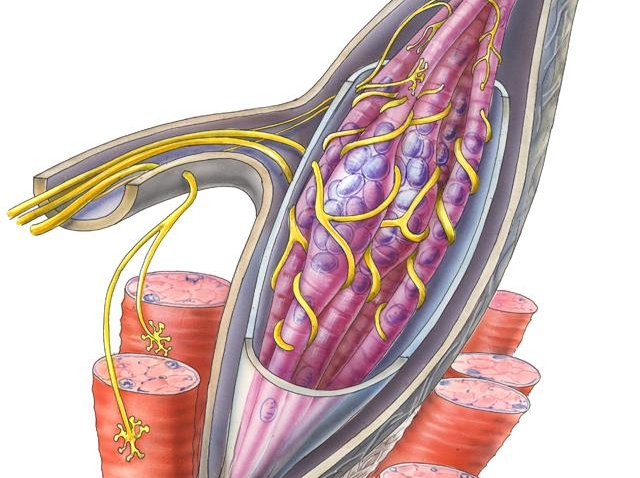
15 Powerful Facts About Muscle Relaxants: The Complete Guide to Benefits, Uses, Costs & Safe Muscle Pain Relief
Muscle Relaxants: The Complete Guide to Benefits, Uses, Costs & Safe Muscle Pain Relief


Introduction
Muscle Relaxants are prescription medications used to relieve muscle spasms, muscle stiffness, and musculoskeletal pain. They are commonly prescribed for short-term treatment of conditions such as acute back pain, neck pain, sports injuries, and muscle strains. Some muscle relaxants are also used to manage long-term muscle spasticity caused by neurological conditions.
Unlike traditional pain relievers such as Ibuprofen or Acetaminophen, muscle relaxants primarily reduce excessive muscle contractions rather than directly treating inflammation or pain.
Common muscle relaxants include:
- Cyclobenzaprine
- Methocarbamol
- Tizanidine
- Baclofen
- Diazepam (used in selected situations for muscle spasms)
- Orphenadrine
These medications can improve comfort and mobility, but they may also cause drowsiness, dizziness, and other side effects. They should always be used under the guidance of a healthcare professional.
This comprehensive guide explores the history, uses, costs, benefits, side effects, timeline, significance, FAQs, review, and role of muscle relaxants in everyday healthcare.
What Are Muscle Relaxants?
Muscle relaxants are medicines designed to reduce involuntary muscle contractions and muscle spasms.
They are generally divided into two broad categories:
1. Skeletal Muscle Relaxants
Used primarily for short-term treatment of painful muscle spasms associated with injuries and musculoskeletal conditions.
Examples include:
- Cyclobenzaprine
- Methocarbamol
- Orphenadrine
2. Antispasticity Medicines
Used to treat muscle stiffness and spasticity caused by neurological disorders.
Examples include:
- Baclofen
- Tizanidine
The choice of medication depends on the underlying condition, the patient’s overall health, and the desired treatment goals.
History of Muscle Relaxants
The development of muscle relaxants has greatly improved the treatment of painful muscle conditions.
Early medications focused mainly on reducing muscle stiffness after injuries and surgeries. During the mid-20th century, researchers developed several centrally acting muscle relaxants that became widely used for acute musculoskeletal pain.
Later, medicines such as Baclofen and Tizanidine expanded treatment options for neurological disorders associated with muscle spasticity, including multiple sclerosis and spinal cord injuries.
Today, muscle relaxants remain valuable tools in pain management, rehabilitation, and neurological care.
Timeline of Muscle Relaxants
| Year | Milestone |
|---|---|
| 1950s | Early centrally acting muscle relaxants introduced |
| 1960s | Cyclobenzaprine developed |
| 1970s | Baclofen gains widespread clinical use |
| 1980s | Tizanidine introduced in several countries |
| 1990s | Expanded role in rehabilitation medicine |
| 2000s | Updated prescribing guidelines emphasize short-term use for acute musculoskeletal pain |
| 2020s | Continued use with increased focus on patient safety and individualized treatment |
How Do Muscle Relaxants Work?
Muscle relaxants work through different mechanisms depending on the medication.
Some medicines:
- Reduce nerve signals that trigger muscle spasms
- Calm overactive muscle reflexes
- Relax skeletal muscles through actions in the brain and spinal cord
Antispasticity medicines such as Baclofen work differently by reducing excessive nerve activity associated with neurological disorders.
Most muscle relaxants do not directly heal injured muscles. Instead, they help reduce muscle spasms so patients can move more comfortably and participate in rehabilitation.
Common Uses of Muscle Relaxants
Healthcare professionals may prescribe muscle relaxants for:
- Acute lower back pain
- Neck pain
- Muscle strains
- Sports injuries
- Muscle spasms
- Whiplash injuries
- Fibromyalgia (selected cases)
- Multiple sclerosis-related spasticity
- Cerebral palsy-related muscle stiffness
- Spinal cord injury-related spasticity
These medications are often combined with physical therapy, stretching exercises, and other treatments.
Forms of Muscle Relaxants
Muscle relaxants are available in several dosage forms:
Tablets
The most commonly prescribed form.
Capsules
Available for certain medications.
Oral Liquid
Helpful for patients who have difficulty swallowing tablets.
Injectable Formulations
Used in hospitals or specialized clinical settings for selected situations.
Cost of Muscle Relaxants
Costs vary depending on the medication, dosage, and country.
| Country | Estimated Cost |
|---|---|
| India | ₹50–₹600 per month (generic medicines) |
| United States | $10–$100 per month (generic products) |
| United Kingdom | Available through the National Health Service when prescribed |
| Europe | Costs vary according to healthcare systems and medication availability |
Generic formulations are generally more affordable than branded medications.
Benefits of Muscle Relaxants
Some important advantages include:
- Relieve painful muscle spasms
- Improve mobility
- Support physical therapy and rehabilitation
- Reduce muscle stiffness
- Help improve sleep disrupted by muscle pain
- Available in several formulations
- Affordable generic options
- Extensively used in clinical practice
Possible Side Effects
Common Side Effects
- Drowsiness
- Dizziness
- Dry mouth
- Fatigue
- Blurred vision
- Nausea
Serious Side Effects
- Severe allergic reactions
- Confusion
- Low blood pressure
- Difficulty breathing (rare)
- Falls due to excessive sedation, particularly in older adults
Different muscle relaxants have different safety profiles, so side effects vary among medications.
Who Should Avoid Muscle Relaxants?
Muscle relaxants may not be suitable for everyone.
Consult a healthcare professional if you have:
- Severe liver disease
- Significant kidney disease
- Glaucoma (for certain medications)
- History of substance misuse
- Pregnancy or breastfeeding (unless specifically advised)
- Severe breathing disorders
- Older age with increased fall risk
Many muscle relaxants can interact with alcohol and other sedative medicines.
15 Interesting Facts About Muscle Relaxants
- Muscle relaxants do not directly repair injured muscles.
- They are often prescribed for short-term use.
- Physical therapy is commonly recommended alongside medication.
- Cyclobenzaprine is one of the most widely prescribed muscle relaxants.
- Baclofen is commonly used for neurological spasticity.
- Tizanidine is useful for muscle stiffness related to neurological disorders.
- Most muscle relaxants can cause drowsiness.
- Generic formulations are widely available.
- They are commonly used after sports injuries.
- They may improve sleep when muscle spasms occur at night.
- Alcohol can increase side effects.
- They should be taken exactly as prescribed.
- Long-term use is not appropriate for every muscle relaxant.
- They help improve participation in rehabilitation exercises.
- Responsible prescribing improves patient safety and recovery.
Review Section
Overall Rating: ⭐⭐⭐⭐☆ (4.6/5)
| Category | Rating |
|---|---|
| Relief of Muscle Spasms | ⭐⭐⭐⭐⭐ |
| Mobility Improvement | ⭐⭐⭐⭐⭐ |
| Availability | ⭐⭐⭐⭐⭐ |
| Cost | ⭐⭐⭐⭐☆ |
| Ease of Use | ⭐⭐⭐⭐☆ |
| Long-term Safety | ⭐⭐⭐⭐☆ |
Pros
- Effective for muscle spasms
- Supports rehabilitation and physical therapy
- Generic formulations improve affordability
- Multiple medication options available
- Helpful for both musculoskeletal injuries and selected neurological disorders
Cons
- May cause drowsiness and dizziness
- Can impair driving or operating machinery
- Alcohol increases side effects
- Some medications are intended only for short-term use
- Not all muscle pain requires muscle relaxants
Frequently Asked Questions (FAQs)
1. What are muscle relaxants used for?
They are used to relieve muscle spasms, muscle stiffness, and certain types of musculoskeletal pain.
2. Do muscle relaxants cure muscle injuries?
No. They help reduce muscle spasms and discomfort but do not directly heal injured muscles.
3. Can muscle relaxants cause sleepiness?
Yes. Drowsiness is one of the most common side effects.
4. Can I drive while taking muscle relaxants?
Avoid driving or operating machinery until you know how the medication affects you.
5. Can I drink alcohol while taking muscle relaxants?
Alcohol may increase drowsiness and other side effects. Follow your healthcare provider’s advice.
6. Are muscle relaxants addictive?
Most skeletal muscle relaxants have a lower risk of addiction than opioids, but some medications, such as Diazepam, can lead to dependence if used for prolonged periods. Always use them exactly as prescribed.
7. Can muscle relaxants interact with other medicines?
Yes. They may interact with opioids, sleep medications, sedatives, and alcohol. Inform your healthcare provider about all medicines and supplements you use.
8. How long should I take muscle relaxants?
Many are intended for short-term use, often for a few days to a few weeks. Your healthcare provider will determine the appropriate duration based on your condition.
9. Are muscle relaxants safe during pregnancy?
The decision to use muscle relaxants during pregnancy should be made with a healthcare professional after weighing the potential benefits and risks.
10. How should muscle relaxants be stored?
Store them in their original container at room temperature, away from heat, moisture, children, and pets.
Significance of Muscle Relaxants
Muscle relaxants have become an important part of modern healthcare by:
- Improving recovery from acute musculoskeletal injuries
- Supporting rehabilitation programs
- Reducing pain-related disability
- Helping patients with neurological disorders manage spasticity
- Enhancing quality of life by improving comfort and mobility
Their use is most effective when combined with other evidence-based treatments, including physical therapy and exercise.
Importance in Our Daily Life
Muscle pain and spasms can interfere with work, exercise, sleep, and routine activities. For people with appropriate medical indications, muscle relaxants can:
- Reduce pain caused by muscle spasms
- Improve movement and flexibility
- Support participation in physical therapy
- Enhance sleep by reducing nighttime muscle discomfort
- Help individuals return to daily activities more comfortably
Healthy posture, regular stretching, strengthening exercises, ergonomic work habits, and maintaining physical activity remain essential for preventing many muscle-related problems.
Important Safety Points
- Take muscle relaxants exactly as prescribed.
- Do not combine them with alcohol or other sedative medications unless instructed by your healthcare provider.
- Avoid driving or operating heavy machinery if you feel drowsy or dizzy.
- Follow up with your healthcare provider if symptoms persist or worsen.
- Seek immediate medical attention if you experience difficulty breathing, severe allergic reactions, fainting, or confusion.
A Muscle Health Awareness Message
Healthy muscles are essential for movement, independence, and overall quality of life. While muscle relaxants can provide valuable short-term relief from painful spasms and stiffness, long-term recovery often depends on addressing the underlying cause through exercise, physical therapy, proper posture, nutrition, and healthy lifestyle habits.
Working closely with healthcare professionals helps ensure that muscle relaxants are used safely and effectively as part of a comprehensive treatment plan.
Conclusion
Muscle relaxants remain an important treatment option for managing muscle spasms, musculoskeletal pain, and certain neurological conditions associated with muscle stiffness. They can reduce discomfort, improve mobility, and support rehabilitation when used appropriately.
Although these medications are not without risks, including drowsiness, dizziness, and potential interactions with alcohol or other sedatives, careful prescribing and patient education help maximize their benefits while minimizing harm.
When used exactly as directed by a qualified healthcare professional and combined with physical therapy, exercise, and healthy lifestyle practices, muscle relaxants can improve recovery, restore function, and enhance overall quality of life. Their role in modern healthcare continues to be significant for patients seeking effective relief from painful muscle conditions.








Leave a Reply