


15 Powerful Facts About Type 2 Diabetes: Complete Guide to Treatment Costs, Best Hospitals & Doctors (2026 Review)
Type 2 Diabetes: Complete Guide to Treatment Costs, Best Hospitals & Doctors


Introduction
Type 2 Diabetes is one of the most common chronic health conditions worldwide. It affects millions of people and has become a major public health challenge due to changing lifestyles, unhealthy eating habits, obesity, and physical inactivity. Unlike Type 1 diabetes, Type 2 diabetes develops gradually, often over several years, and many people may not realize they have it until complications arise.
Although there is currently no permanent cure for Type 2 diabetes, it can often be managed very effectively through healthy lifestyle changes, medications, regular monitoring, and, in some cases, metabolic (bariatric) surgery. Early diagnosis and proper treatment help reduce the risk of serious complications such as heart disease, kidney failure, nerve damage, vision loss, and stroke.
This comprehensive guide explains everything about Type 2 diabetes, including its history, causes, symptoms, treatment options, estimated costs, best hospitals, leading doctors, prevention strategies, significance, review, FAQs, and its impact on daily life.
What Is Type 2 Diabetes?
Type 2 diabetes is a chronic metabolic disorder in which the body either becomes resistant to insulin or does not produce enough insulin to keep blood sugar levels within the normal range.
Insulin is a hormone produced by the pancreas that helps glucose enter the body’s cells to be used as energy. When insulin does not work properly, glucose remains in the bloodstream, leading to persistently high blood sugar levels.
Over time, uncontrolled blood sugar can damage blood vessels, nerves, eyes, kidneys, and the heart.
History of Type 2 Diabetes
The understanding of diabetes has developed over thousands of years.
Timeline
- 1550 BCE: Ancient Egyptian medical texts described excessive urination, one of the earliest known symptoms of diabetes.
- 2nd Century CE: Aretaeus of Cappadocia used the term “diabetes.”
- 1674: Thomas Willis noted the sweet taste of diabetic urine.
- 1889: Scientists demonstrated the role of the pancreas in diabetes.
- 1921: Frederick Banting and Charles Best discovered insulin, transforming diabetes treatment.
- 1955: The first oral diabetes medication became available.
- 1990s–2000s: Modern diabetes medicines and insulin analogs improved disease management.
- Today: Continuous glucose monitoring (CGM), insulin pumps, digital health tools, and personalized treatments have significantly enhanced diabetes care.
Causes of Type 2 Diabetes
Several factors contribute to the development of Type 2 diabetes, including:
- Being overweight or obese
- Physical inactivity
- Family history of diabetes
- Increasing age
- Unhealthy diet
- High blood pressure
- High cholesterol
- Gestational diabetes history
- Polycystic ovary syndrome (PCOS)
- Smoking
Symptoms
Many people develop symptoms gradually.
Common symptoms include:
- Frequent urination
- Increased thirst
- Excessive hunger
- Fatigue
- Blurred vision
- Slow wound healing
- Frequent infections
- Tingling or numbness in hands and feet
- Unexplained weight changes
Risk Factors
Individuals have a higher risk if they:
- Are overweight
- Have a sedentary lifestyle
- Have a family history of diabetes
- Have hypertension
- Have high cholesterol
- Are older than 45 years (though younger adults can also develop it)
- Have a history of gestational diabetes
- Have cardiovascular disease
Diagnosis
Doctors commonly diagnose Type 2 diabetes using:
- Fasting Blood Sugar
- Random Blood Sugar
- HbA1c (glycated hemoglobin)
- Oral Glucose Tolerance Test (OGTT)
- Urine tests (when indicated)
Regular screening is especially important for people with risk factors.
Treatment Options
There is no permanent cure, but effective management is possible.
Lifestyle Changes
The foundation of treatment includes:
- Healthy, balanced diet
- Regular physical activity
- Weight management
- Adequate sleep
- Stress reduction
- Avoiding tobacco
- Limiting alcohol consumption
Medications
Depending on individual needs, doctors may prescribe medications such as:
- Metformin
- Empagliflozin
- Sitagliptin
- Semaglutide
- Insulin (for some patients)
Medication selection depends on blood sugar levels, kidney function, heart health, weight, and other medical conditions.
Bariatric (Metabolic) Surgery
For some people with obesity and Type 2 diabetes, bariatric surgery may significantly improve blood sugar control and, in some cases, lead to long-term remission. It is not appropriate for everyone and requires specialist evaluation.
Estimated Treatment Costs
Costs vary depending on the city, hospital, insurance, and individual treatment plan.
| Service | Approximate Cost (India) |
|---|---|
| Physician Consultation | ₹500–₹2,000 |
| Blood Sugar Test | ₹150–₹500 |
| HbA1c Test | ₹500–₹1,500 |
| Annual Diabetes Evaluation | ₹3,000–₹10,000 |
| Monthly Medicines | ₹500–₹8,000+ |
| Continuous Glucose Monitor (CGM) | ₹4,000–₹12,000+ (device/sensors vary) |
| Insulin Therapy | ₹1,000–₹6,000+ per month |
| Bariatric Surgery (selected patients) | ₹3–₹8 lakh |
Actual costs depend on the specific medications, technology used, and follow-up requirements.
Best Hospitals for Type 2 Diabetes Care


Several leading hospitals in India provide comprehensive diabetes and endocrine care:
- All India Institute of Medical Sciences
- Apollo Hospitals
- Medanta – The Medicity
- Narayana Health
- Max Super Speciality Hospital
- Fortis Memorial Research Institute
- Kokilaben Dhirubhai Ambani Hospital
These hospitals offer endocrinology services, diabetes education, nutrition counseling, eye screening, kidney evaluation, and multidisciplinary care.
Leading Doctors (Examples)
Some widely recognized Indian physicians associated with diabetes, endocrinology, or metabolic health include:
- Anoop Misra
- V. Mohan
- Shashank Joshi
The most suitable doctor depends on your location, complications, insurance coverage, and personal medical history.
Prevention
Many cases of Type 2 diabetes can be delayed or prevented through healthy habits.
- Maintain a healthy body weight.
- Exercise for at least 150 minutes each week.
- Eat more vegetables, fruits, whole grains, and lean proteins.
- Reduce sugary drinks and highly processed foods.
- Get adequate sleep.
- Manage stress.
- Stop smoking.
- Have regular health check-ups.
- Monitor blood pressure and cholesterol.
Interesting Facts
- Type 2 diabetes accounts for the vast majority of diabetes cases worldwide.
- Many people have prediabetes before developing Type 2 diabetes.
- Early diagnosis helps prevent long-term complications.
- Even modest weight loss can significantly improve blood sugar control in many people.
- Modern glucose monitoring devices have made diabetes management more convenient than ever.
Timeline of Diabetes Care
| Period | Major Development |
|---|---|
| Ancient Egypt | Early description of diabetes symptoms |
| 2nd Century | Term “diabetes” introduced |
| 1889 | Pancreas linked to diabetes |
| 1921 | Insulin discovered |
| 1955 | First oral diabetes medicine introduced |
| 2000s | Modern diabetes medications expanded |
| Today | CGMs, personalized medicine, and digital diabetes management |
Significance
Understanding Type 2 diabetes is important because it:
- Encourages early diagnosis.
- Helps prevent complications.
- Improves quality of life.
- Promotes healthier lifestyles.
- Reduces healthcare costs over time.
- Supports long-term heart and kidney health.
Importance in Daily Life
Managing diabetes positively affects daily life by:
- Improving energy levels.
- Supporting healthy vision.
- Protecting kidney function.
- Reducing cardiovascular risk.
- Helping maintain independence.
- Encouraging healthier family habits.
Importance to Society
Diabetes awareness benefits society by:
- Reducing preventable complications.
- Lowering healthcare expenditures.
- Increasing workplace productivity.
- Promoting nutrition education.
- Encouraging preventive health screening.
Review
Review of Modern Type 2 Diabetes Management
Modern Type 2 diabetes care has improved remarkably with better medications, continuous glucose monitoring, individualized nutrition plans, and multidisciplinary care. Newer medicines not only lower blood sugar but may also help protect the heart and kidneys in appropriate patients. Success depends on regular follow-up, medication adherence, healthy eating, physical activity, and patient education.
Overall Informational Rating: ⭐⭐⭐⭐⭐ (5/5) for the effectiveness of current evidence-based diabetes management when combined with healthy lifestyle changes and regular medical supervision.
Important Points
- Type 2 diabetes is a chronic but manageable condition.
- Early diagnosis reduces complications.
- Healthy eating and exercise remain the foundation of treatment.
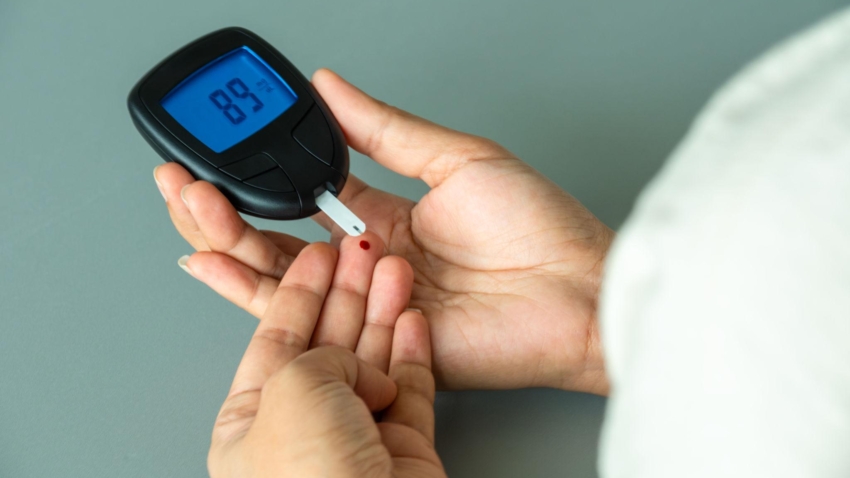
- Routine blood sugar monitoring is essential.
- Regular eye, kidney, and foot examinations help detect complications early.
- Weight management significantly improves outcomes.
- Do not stop prescribed medication without consulting your healthcare provider.
- Consistent follow-up with an endocrinologist or physician is important.
Frequently Asked Questions (FAQs)
1. Can Type 2 diabetes be cured?
There is currently no permanent cure. However, many people achieve excellent blood sugar control, and some experience remission after substantial weight loss or bariatric surgery under medical supervision.
2. Is insulin always required?
No. Many people manage Type 2 diabetes with lifestyle changes and oral medications, while others may require insulin depending on disease progression.
3. Can young adults develop Type 2 diabetes?
Yes. Increasing obesity and sedentary lifestyles have made Type 2 diabetes more common in younger adults and even adolescents.
4. Which foods should be limited?
Sugary beverages, refined carbohydrates, highly processed foods, and excessive saturated fats should generally be limited as part of a balanced eating plan.
5. How often should blood sugar be checked?
The frequency depends on the treatment plan. Your healthcare provider will recommend an appropriate monitoring schedule.
6. Is exercise beneficial?
Yes. Regular physical activity improves insulin sensitivity, supports weight management, and benefits heart health.
Wishing Message
“Wishing everyone a healthy life, balanced nutrition, and strong well-being. May awareness, healthy lifestyle choices, regular medical care, and determination help every person living with Type 2 diabetes enjoy a long, active, and fulfilling life.”
Conclusion
Type 2 diabetes is one of the most common chronic diseases worldwide, but it is also one of the most manageable when diagnosed early and treated consistently. Advances in medications, glucose monitoring technology, nutrition science, and patient education have greatly improved the ability to control blood sugar and reduce complications. While there is no universal permanent cure, healthy lifestyle choices, regular medical care, and adherence to treatment enable many individuals to live productive, healthy, and fulfilling lives.
Awareness, prevention, and early intervention remain essential. By encouraging healthier eating habits, regular exercise, routine health screenings, and community education, individuals and society can reduce the growing burden of Type 2 diabetes and improve overall public health for future generations.








Leave a Reply