


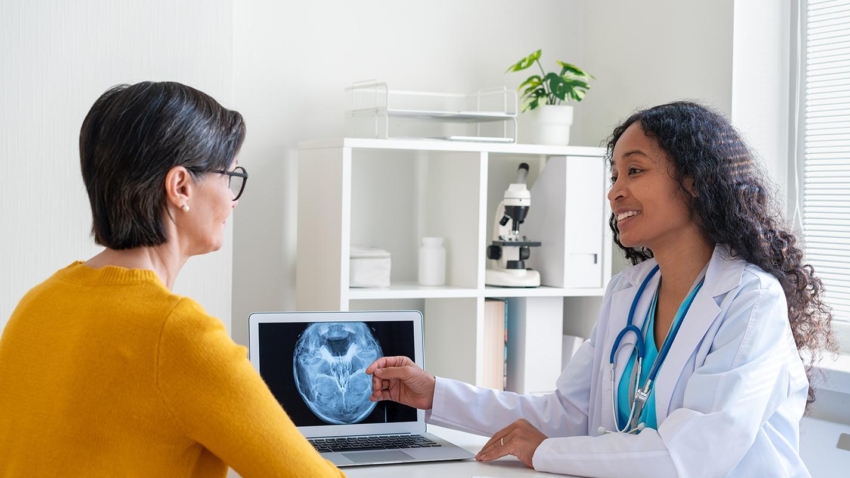
15 Essential & Powerful Facts About Stroke: Complete Guide to Symptoms, Treatment Costs, Best Hospitals & Doctors (2026 Review)
Stroke: Complete Guide to Symptoms, Treatment Costs, Best Hospitals & Doctors

Stroke


Introduction
Stroke is one of the world’s leading medical emergencies and a major cause of disability and death. A stroke occurs when blood flow to part of the brain is interrupted or when a blood vessel in the brain ruptures. Without an adequate blood supply, brain cells begin to die within minutes.
Although stroke is a serious condition, rapid diagnosis and treatment can dramatically improve survival and recovery. Thanks to advances in emergency medicine, clot-removing procedures, rehabilitation, and preventive care, many people recover well and return to active lives.
This comprehensive guide explains everything you need to know about stroke, including its history, symptoms, causes, treatment options, costs, best hospitals, leading doctors, prevention strategies, FAQs, significance, and its impact on everyday life.
What Is a Stroke?
A stroke is a medical emergency caused by reduced or interrupted blood flow to the brain or by bleeding within the brain. Because brain tissue depends on a constant supply of oxygen and nutrients, prolonged interruption can result in permanent brain damage.
Types of Stroke
- Ischemic Stroke (about 85% of cases)
- Caused by blockage of an artery supplying the brain.
- Hemorrhagic Stroke
- Caused by rupture of a blood vessel leading to bleeding inside or around the brain.
- Transient Ischemic Attack (TIA)
- Often called a “mini-stroke,” it is temporary but serves as an important warning sign of future stroke risk.
History of Stroke
The understanding of stroke has evolved over thousands of years.
Historical Timeline
- 400 BCE: Hippocrates described sudden paralysis, calling it “apoplexy.”
- 1600s: William Harvey explained blood circulation, improving understanding of vascular disease.
- 1800s: Scientists recognized blocked and ruptured blood vessels as major causes of stroke.
- 1970s: CT scanning revolutionized stroke diagnosis.
- 1996: Clot-busting medicine (tPA) became an approved treatment for eligible ischemic stroke patients.
- 2015 onward: Mechanical thrombectomy significantly improved outcomes for selected patients with large vessel blockages.
- Today: Artificial intelligence, advanced imaging, and specialized stroke units continue to improve diagnosis and treatment.
Causes of Stroke
Common causes include:
- High blood pressure
- Diabetes
- High cholesterol
- Smoking
- Heart disease
- Atrial fibrillation
- Obesity
- Excessive alcohol intake
- Physical inactivity
- Family history
- Increasing age
Symptoms of Stroke
Recognizing symptoms quickly can save lives.
Common Symptoms
- Sudden weakness or numbness on one side of the body
- Difficulty speaking or understanding speech
- Sudden vision problems
- Severe headache
- Loss of balance
- Dizziness
- Difficulty walking
- Facial drooping
Remember the FAST Rule
- F – Face drooping
- A – Arm weakness
- S – Speech difficulty
- T – Time to call emergency medical services immediately
Risk Factors
People are at greater risk if they have:
- Hypertension
- Diabetes
- High cholesterol
- Smoking habits
- Obesity
- Heart rhythm disorders
- Kidney disease
- Sleep apnea
- Sedentary lifestyle
- Poor nutrition
Diagnosis
Doctors may use:
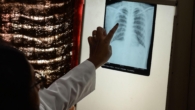
- CT Scan
- MRI Brain
- CT Angiography
- Blood tests
- ECG
- Echocardiogram
- Carotid ultrasound
- Cerebral angiography
Stroke Treatment
Treatment depends on the type and timing of the stroke.
Emergency Treatment
Ischemic Stroke
Doctors may use:
- Clot-dissolving medications (for eligible patients within a specific time window)
- Mechanical thrombectomy to remove large clots
Hemorrhagic Stroke
Treatment may include:
- Blood pressure control
- Surgery to stop bleeding
- Repair of aneurysms or abnormal blood vessels
- Intensive neurological care
Rehabilitation
Recovery often involves:
- Physiotherapy
- Occupational therapy
- Speech therapy
- Cognitive rehabilitation
- Psychological support
Many patients continue rehabilitation for several months or longer, depending on the severity of the stroke.
Stroke Treatment Costs
Approximate treatment costs in India vary depending on the hospital, city, and complexity of care.
| Treatment | Estimated Cost |
|---|---|
| Neurologist Consultation | ₹800–₹2,500 |
| CT Scan | ₹2,000–₹6,000 |
| MRI Brain | ₹5,000–₹15,000 |
| Emergency Hospitalization | ₹30,000–₹1.5 lakh |
| Clot-busting Therapy (when eligible) | ₹50,000–₹2 lakh |
| Mechanical Thrombectomy | ₹3–₹8 lakh |
| Brain Surgery (if required) | ₹4–₹10 lakh |
| Stroke Rehabilitation | ₹20,000–₹1 lakh+ per month (depending on intensity) |
Actual expenses depend on the patient’s condition, insurance, hospital, and duration of hospitalization.
Best Hospitals for Stroke Treatment


India has several well-known hospitals with advanced stroke care units:
- All India Institute of Medical Sciences
- Medanta – The Medicity
- Apollo Hospitals
- Narayana Health
- Fortis Memorial Research Institute
- Max Super Speciality Hospital
- Kokilaben Dhirubhai Ambani Hospital
These institutions are equipped with dedicated stroke teams, emergency imaging, intensive care units, neurology departments, and rehabilitation services.
Leading Doctors in India (Examples)
Some highly respected specialists associated with major institutions include:
- Naresh Trehan (multidisciplinary care for complex cardiovascular conditions that may increase stroke risk)
- Devi Prasad Shetty (expert in cardiac conditions linked to stroke prevention)
- Ashok Seth (management of cardiovascular diseases that contribute to stroke)
For stroke itself, the most appropriate specialist is typically a neurologist or neurosurgeon with expertise in cerebrovascular disease. The best physician depends on the individual’s condition, location, insurance, and required treatment.
Prevention
Many strokes can be prevented through healthy lifestyle choices.
- Keep blood pressure under control.
- Manage diabetes effectively.
- Lower cholesterol levels.
- Exercise regularly.
- Eat a balanced diet rich in fruits and vegetables.
- Avoid tobacco.
- Limit alcohol intake.
- Maintain a healthy weight.
- Treat atrial fibrillation and other heart conditions.
- Attend regular medical check-ups.
Interesting Facts
- About 85% of strokes are ischemic.
- Stroke can affect people of any age, although risk increases with age.
- Quick treatment greatly improves the chance of recovery.
- Every minute during a major stroke, millions of brain cells may be damaged.
- Rehabilitation plays a vital role in restoring independence.
Timeline of Stroke Care
| Period | Major Development |
|---|---|
| Ancient Greece | Recognition of sudden paralysis |
| 1600s | Blood circulation explained |
| 1970s | CT scanning introduced |
| 1996 | Clot-busting medication approved |
| 2015 | Mechanical thrombectomy became standard for selected patients |
| Today | AI-assisted diagnosis and comprehensive stroke centers |
Significance
Stroke awareness is important because:
- It promotes early recognition of symptoms.
- Rapid treatment saves lives and brain function.
- It reduces long-term disability.
- It encourages healthier lifestyles.
- It improves public health awareness.
Importance in Daily Life
Stroke prevention and recovery influence everyday living by:
- Preserving independence.
- Improving mobility.
- Supporting communication abilities.
- Reducing healthcare expenses.
- Enhancing emotional well-being.
- Encouraging healthier habits for families.
Importance to Society
Preventing stroke benefits society by:
- Lowering healthcare costs.
- Reducing disability.
- Improving workforce productivity.
- Promoting public health education.
- Encouraging routine health screening.
Review
Review of Modern Stroke Care
Stroke care has improved dramatically over the past few decades. Advanced brain imaging, specialized stroke centers, clot-removing procedures, intensive rehabilitation, and coordinated multidisciplinary care have transformed patient outcomes. Early recognition remains the most important factor because treatment is highly time-sensitive. Patients who receive prompt medical attention often experience better recovery and improved quality of life.
Overall Informational Rating: ⭐⭐⭐⭐⭐ (5/5) for the effectiveness of modern evidence-based stroke management when treatment is received quickly.
Important Points
- Stroke is a medical emergency.
- Never ignore sudden weakness or speech difficulty.
- Follow the FAST rule.
- Control blood pressure to reduce risk.
- Diabetes management is essential.
- Stop smoking.
- Regular exercise supports brain and heart health.
- Rehabilitation is an important part of recovery.
- Routine health check-ups help detect risk factors early.
Frequently Asked Questions (FAQs)
1. Can stroke be cured?
Many people recover partially or substantially with timely treatment and rehabilitation, but the degree of recovery varies from person to person.
2. Is stroke hereditary?
Family history may increase risk, but lifestyle and medical conditions also play major roles.
3. Can young adults have strokes?
Yes. Although more common in older adults, stroke can occur at any age.
4. How can stroke be prevented?
Managing blood pressure, diabetes, cholesterol, avoiding tobacco, exercising regularly, and maintaining a healthy diet significantly reduce risk.
5. What is the first sign of a stroke?
Sudden facial drooping, arm weakness, speech difficulty, vision changes, or loss of balance are common warning signs.
6. How long does recovery take?
Recovery varies widely. Some people improve within weeks, while others may require months or years of rehabilitation.
Wishing Message
“Wishing you and your loved ones strong health, a healthy brain, and a healthy heart. May awareness, timely medical care, and healthy lifestyle choices protect everyone from stroke and support a full and meaningful recovery for those affected.”
Conclusion
Stroke is one of the most serious medical emergencies, but it is also one of the most treatable when recognized early. Rapid diagnosis, emergency medical care, specialized stroke centers, modern therapies, and comprehensive rehabilitation have greatly improved survival and recovery rates. At the same time, many strokes can be prevented through healthy lifestyle choices, regular medical check-ups, and effective management of conditions such as high blood pressure, diabetes, and high cholesterol.
Creating awareness about stroke symptoms, encouraging prompt emergency response, and supporting rehabilitation not only improve individual outcomes but also strengthen families and communities. By prioritizing prevention and acting quickly when symptoms appear, we can reduce the burden of stroke and help more people lead healthier, more independent lives.


I know this if off topic but I’m looking into starting my
own weblog and was curious what all is required to get setup?
I’m assuming having a blog like yours would cost a pretty penny?
I’m not very internet savvy so I’m not 100% sure.
Any suggestions or advice would be greatly appreciated.
Kudos