


15 Powerful Facts About Colorectal Cancer: The Complete & Hopeful Guide to Treatment Costs, Best Hospitals & Doctors (2026 Review)
Colorectal Cancer: The Complete & Hopeful Guide to Treatment Costs, Best Hospitals & Doctors


Introduction
Colorectal Cancer is one of the most common cancers worldwide, affecting the colon (large intestine) or rectum, which together form the final part of the digestive system. Most colorectal cancers begin as small, non-cancerous growths called polyps, which may gradually develop into cancer over several years if they are not detected and removed.
The encouraging news is that colorectal cancer is one of the most preventable and treatable cancers when detected early. Regular screening, healthy lifestyle choices, and advances in surgery, chemotherapy, radiation therapy, targeted therapy, and immunotherapy have significantly improved survival rates across the world.
This comprehensive guide explains everything about colorectal cancer, including its history, causes, symptoms, diagnosis, treatment options, estimated costs, best hospitals, leading doctors, prevention, timeline, FAQs, significance, review, and its impact on daily life and society.
What Is Colorectal Cancer?
Colorectal cancer develops when abnormal cells grow uncontrollably in the lining of the colon or rectum. Most cases begin as adenomatous polyps, which can become cancerous over time.
The disease may remain confined to the colon or rectum during its early stages, but advanced cancers can spread to nearby lymph nodes, the liver, lungs, or other organs.
The stage of the cancer is one of the most important factors in determining treatment and prognosis.
History of Colorectal Cancer
Knowledge about diseases of the intestine dates back thousands of years, but modern colorectal cancer treatment has evolved rapidly.
Timeline
- Ancient Egypt: Early medical texts described intestinal disorders.
- 1800s: Surgeons began performing operations on the large intestine.
- 1960s–1970s: Colonoscopy became an important diagnostic and screening tool.
- 1980s: Modern chemotherapy improved survival.
- 2000s: Targeted therapies became available for advanced colorectal cancer.
- 2010s–Present: Precision medicine, minimally invasive surgery, robotic surgery, and immunotherapy expanded treatment options.
Causes
Colorectal cancer develops due to a combination of genetic, environmental, and lifestyle factors.
Common causes and contributing factors include:
- Increasing age
- Family history of colorectal cancer
- Inherited genetic syndromes
- Colorectal polyps
- Diets high in processed or red meat
- Obesity
- Physical inactivity
- Smoking
- Heavy alcohol consumption
- Chronic inflammatory bowel diseases
Symptoms
Early colorectal cancer may not cause symptoms.
Common warning signs include:
- Blood in the stool
- Persistent changes in bowel habits
- Constipation or diarrhea lasting several weeks
- Narrow stools
- Abdominal pain or cramping
- Unexplained weight loss
- Fatigue
- Iron-deficiency anemia
Anyone with persistent digestive symptoms or rectal bleeding should seek medical evaluation promptly.
Risk Factors
The risk increases in people who:
- Are over 45–50 years of age (depending on screening guidelines)
- Have a family history of colorectal cancer
- Have inflammatory bowel disease
- Smoke cigarettes
- Consume excessive alcohol
- Eat diets low in fiber
- Are overweight or obese
- Have type 2 diabetes
Diagnosis
Doctors may recommend:
- Medical history and physical examination
- Digital rectal examination
- Stool-based screening tests
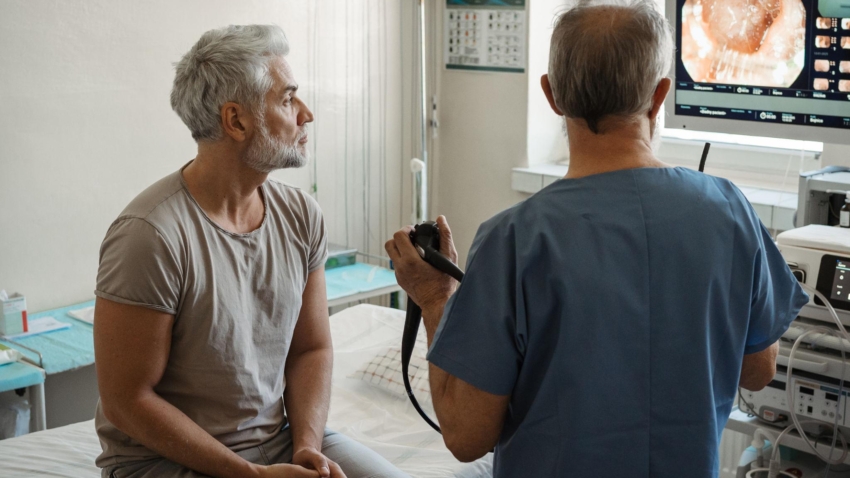
- Colonoscopy
- Biopsy
- CT scan
- MRI (especially for rectal cancer)
- PET-CT (selected cases)
- Blood tests, including tumor markers such as CEA
Colonoscopy remains the gold standard for diagnosing colorectal cancer and removing many precancerous polyps.
Treatment Options
Treatment depends on the stage, tumor location, molecular profile, and overall health.
Surgery
Surgery is the primary treatment for many early-stage cancers.
Procedures include:
- Polypectomy
- Local excision
- Partial colectomy
- Low anterior resection
- Abdominoperineal resection
- Robotic or laparoscopic colorectal surgery
Chemotherapy
Chemotherapy may be recommended before or after surgery or for advanced disease.
Radiation Therapy
Radiation therapy is commonly used for rectal cancer before or after surgery.
Targeted Therapy
Some patients may benefit from targeted medications based on molecular testing.
Examples include:
- Bevacizumab
- Cetuximab
Immunotherapy
Patients with certain genetic features, such as mismatch repair deficiency (dMMR) or high microsatellite instability (MSI-H), may be eligible for immunotherapy.
Examples include:
- Pembrolizumab
- Nivolumab
Treatment is individualized by a multidisciplinary cancer team.
Estimated Treatment Costs
Costs depend on disease stage, hospital, and treatment plan.
| Service | Approximate Cost (India) |
|---|---|
| Oncologist Consultation | ₹1,000–₹3,000 |
| Colonoscopy | ₹6,000–₹20,000 |
| Biopsy | ₹10,000–₹35,000 |
| CT Scan | ₹3,000–₹10,000 |
| MRI | ₹6,000–₹15,000 |
| Colorectal Cancer Surgery | ₹2–₹8 lakh |
| Chemotherapy (per cycle) | ₹15,000–₹2 lakh+ |
| Radiation Therapy | ₹1.5–₹5 lakh |
| Targeted Therapy | ₹50,000–₹3 lakh+ per cycle |
| Immunotherapy | ₹1–₹5 lakh+ per cycle |
Actual costs vary according to hospital, medications, treatment duration, insurance coverage, and supportive care needs.
Best Hospitals for Colorectal Cancer Treatment


Several hospitals in India are recognized for advanced colorectal cancer treatment:
- Tata Memorial Centre
- All India Institute of Medical Sciences
- Apollo Cancer Centres
- Medanta – The Medicity
- Fortis Memorial Research Institute
- Rajiv Gandhi Cancer Institute and Research Centre
- Max Super Speciality Hospital
These institutions provide colorectal surgery, gastroenterology, medical oncology, radiation oncology, pathology, molecular diagnostics, nutrition counseling, and rehabilitation services.
Leading Doctors (Examples)
Some respected colorectal cancer specialists in India include:
- Rajendra Badwe
- Sandeep Nayak
- Arvind Kumar
The most appropriate doctor depends on tumor location, stage, and the required combination of surgery, chemotherapy, radiation, and targeted treatment.
Prevention
Many cases of colorectal cancer can be prevented through healthy habits and screening.
Recommendations include:
- Participate in age-appropriate colorectal cancer screening.
- Eat a diet rich in fruits, vegetables, and whole grains.
- Limit processed and red meat.
- Exercise regularly.
- Maintain a healthy body weight.
- Avoid smoking.
- Limit alcohol consumption.
- Discuss earlier screening if you have a family history.
Interesting Facts
- Colorectal cancer often develops slowly over many years.
- Most colorectal cancers begin as precancerous polyps.
- Colonoscopy can both detect and remove many polyps before they become cancer.
- Early-stage colorectal cancer has a much better prognosis than advanced disease.
- Lifestyle changes can help reduce risk.
Timeline of Colorectal Cancer Care
| Period | Major Development |
|---|---|
| Ancient Egypt | Intestinal diseases described |
| 1800s | Colon surgery advanced |
| 1970s | Colonoscopy became widely available |
| 1980s | Modern chemotherapy improved outcomes |
| 2000s | Targeted therapies introduced |
| Today | Precision medicine and minimally invasive surgery |
Significance
Understanding colorectal cancer is important because it:
- Promotes early detection.
- Encourages regular screening.
- Prevents cancer through polyp removal.
- Improves survival.
- Supports healthier lifestyles.
- Advances cancer research.
Importance in Daily Life
Awareness helps individuals:
- Recognize warning symptoms.
- Participate in recommended screening.
- Make healthier dietary choices.
- Encourage family members to undergo screening when appropriate.
- Seek medical advice promptly if symptoms occur.
Importance to Society
Greater awareness benefits society by:
- Reducing cancer-related deaths.
- Increasing participation in screening programs.
- Lowering healthcare costs through prevention.
- Encouraging healthier communities.
- Supporting research and innovation in cancer care.
Review
Review of Modern Colorectal Cancer Care
Modern colorectal cancer management has improved remarkably through routine screening, colonoscopy, minimally invasive surgery, precision oncology, targeted therapy, immunotherapy, and multidisciplinary care. One of the greatest strengths of colorectal cancer prevention is that many precancerous polyps can be removed before cancer develops. When diagnosed early, treatment is often highly successful, allowing many patients to achieve long-term survival and a good quality of life.
Overall Informational Rating: ⭐⭐⭐⭐⭐ (5/5) for the major advances in prevention, early detection, personalized treatment, and long-term survivorship care.
Important Points
- Colorectal cancer is often preventable through screening.
- Colonoscopy is the most effective screening and diagnostic test for many individuals.
- Blood in the stool should never be ignored.
- Healthy eating and exercise reduce risk.
- Early diagnosis greatly improves outcomes.
- Molecular testing helps personalize treatment in advanced disease.
- Regular follow-up is essential after treatment.
- Family history may require earlier screening.
Frequently Asked Questions (FAQs)
1. Can colorectal cancer be cured?
Many early-stage colorectal cancers can be treated successfully, and some patients achieve long-term remission or cure. Outcomes depend on the stage, tumor biology, and response to treatment.
2. Does every polyp become cancer?
No. Most polyps do not become cancer, but some types can develop into cancer over time if they are not removed.
3. At what age should screening begin?
Screening recommendations vary by country and individual risk factors. Many guidelines recommend beginning routine screening around age 45 for people at average risk, with earlier screening for those at higher risk.
4. Is surgery always necessary?
Not always. Treatment depends on the stage and location of the cancer. Some patients may require combinations of surgery, chemotherapy, radiation therapy, targeted therapy, or immunotherapy.
5. Can lifestyle changes lower risk?
Yes. A healthy diet, regular exercise, maintaining a healthy weight, avoiding smoking, and limiting alcohol can help reduce the risk.
6. Can colorectal cancer occur in younger adults?
Yes. Although it is more common in older adults, cases in younger adults have increased in recent years, making awareness of symptoms important at all ages.
Wishing Message
“Wishing everyone good digestive health, strength, and hope. May greater awareness, timely screening, early diagnosis, and continued medical advances help prevent colorectal cancer and provide the best possible outcomes for every patient and family.”
Conclusion
Colorectal cancer is one of the most preventable and treatable cancers when detected early. Advances in screening, colonoscopy, minimally invasive surgery, chemotherapy, radiation therapy, targeted therapy, immunotherapy, and personalized treatment have transformed patient care and significantly improved survival. Recognizing symptoms early, participating in recommended screening programs, and adopting healthy lifestyle habits remain the foundation of prevention and successful treatment.
By increasing public awareness, expanding access to screening, supporting research, and encouraging healthier lifestyles, individuals, healthcare providers, and communities can work together to reduce the burden of colorectal cancer. Early diagnosis, evidence-based care, and compassionate support continue to offer hope for better outcomes and improved quality of life for millions of people worldwide.







Leave a Reply