


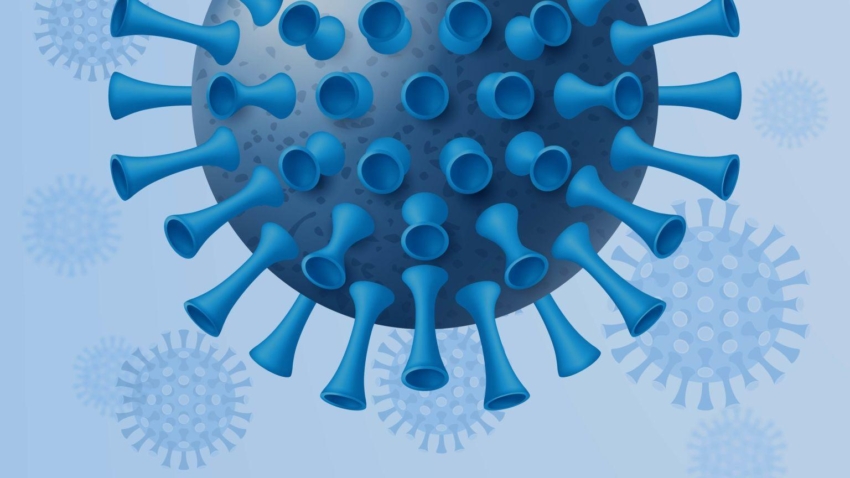
15 Powerful Facts About COVID-19: The Complete & Hopeful Guide to Treatment Costs, Best Hospitals & Doctors (2026 Review)
COVID-19: The Complete & Hopeful Guide to Treatment Costs, Best Hospitals & Doctors


Introduction
COVID-19 is an infectious respiratory disease caused by the SARS-CoV-2 virus. Since it first emerged in late 2019, COVID-19 has become one of the most significant global public health events in modern history. It affected millions of people, transformed healthcare systems, influenced economies, changed the way people work and learn, and accelerated scientific innovation in vaccines, diagnostics, and treatments.
Although COVID-19 remains present around the world, vaccines, improved medical care, antiviral medications, and greater public awareness have substantially reduced severe illness and deaths compared with the early stages of the pandemic. Most people now recover with supportive care, while individuals at higher risk—such as older adults or those with certain medical conditions—may benefit from early antiviral treatment and closer medical monitoring.
This comprehensive guide explains everything about COVID-19, including its history, causes, symptoms, diagnosis, treatment options, estimated costs, best hospitals, leading doctors, prevention, timeline, FAQs, significance, review, and its impact on daily life and society.
What Is COVID-19?
COVID-19 is a viral illness caused by the SARS-CoV-2 coronavirus. It primarily spreads through respiratory droplets and aerosols released when an infected person breathes, talks, coughs, or sneezes. The disease can range from mild symptoms resembling a common cold to severe pneumonia, respiratory failure, or other complications.
While the virus mainly affects the lungs, it can also involve the heart, brain, kidneys, and other organs in some individuals.
History of COVID-19
The COVID-19 pandemic changed the course of global healthcare.
Timeline
- December 2019: Cases of pneumonia linked to a new coronavirus were identified in Wuhan, China.
- January 2020: The virus was identified as SARS-CoV-2.
- March 2020: World Health Organization declared COVID-19 a global pandemic.
- Late 2020: The first COVID-19 vaccines received emergency authorization in several countries.
- 2021–2022: Mass vaccination campaigns and improved treatments reduced severe disease in many regions.
- 2023–Present: COVID-19 continues to circulate, with vaccination, updated boosters (where recommended), antivirals, and surveillance helping reduce its impact.
Causes
COVID-19 is caused by infection with the SARS-CoV-2 virus.
Transmission commonly occurs through:
- Close contact with an infected person.
- Inhalation of respiratory droplets or aerosols.
- Contact with contaminated hands followed by touching the eyes, nose, or mouth (less common than airborne spread).
The virus spreads more easily in crowded or poorly ventilated indoor spaces.
Symptoms
Symptoms can appear from mild to severe and usually begin within a few days after exposure.
Common symptoms include:
- Fever
- Cough
- Sore throat
- Runny or blocked nose
- Fatigue
- Headache
- Muscle aches
- Loss or change of taste or smell (less common with some newer variants)
- Shortness of breath
- Nausea or diarrhea
Emergency warning signs include severe breathing difficulty, chest pain, confusion, or bluish lips or face, which require immediate medical attention.
Risk Factors
People at higher risk of severe COVID-19 include:
- Older adults
- People with chronic heart disease
- Individuals with diabetes
- People with chronic lung disease
- Those with weakened immune systems
- Individuals with obesity
- People with chronic kidney disease
Vaccination and timely treatment can reduce the risk of severe illness in many high-risk individuals.
Diagnosis
Doctors may recommend:
- Rapid antigen test
- PCR (polymerase chain reaction) test
- Physical examination
- Pulse oximetry to measure oxygen levels
- Chest X-ray or CT scan (if severe disease is suspected)
- Blood tests in hospitalized patients
Diagnosis is based on symptoms, testing, and clinical evaluation.
Treatment Options
Treatment depends on symptom severity, age, risk factors, and underlying health conditions.
Home Care (Mild Illness)
Most people with mild COVID-19 recover at home with:
- Adequate rest
- Hydration
- Fever and pain relief using medications such as Paracetamol when appropriate
- Monitoring symptoms
Antiviral Medications
For some high-risk patients diagnosed early, antiviral medications may reduce the risk of severe illness.
Examples include:
- Nirmatrelvir/Ritonavir
- Remdesivir (used in selected hospitalized or high-risk patients)
Hospital Care
Patients with severe disease may require:
- Oxygen therapy
- Corticosteroids such as Dexamethasone for appropriate hospitalized patients requiring oxygen
- Intensive care
- Mechanical ventilation (for critical illness)
- Treatment for complications such as blood clots or secondary infections
Treatment recommendations continue to evolve based on current clinical evidence.
Estimated Treatment Costs
Costs vary depending on disease severity, hospitalization, and medications.
| Service | Approximate Cost (India) |
|---|---|
| Doctor Consultation | ₹500–₹2,000 |
| Rapid Antigen Test | ₹300–₹800 |
| PCR Test | ₹500–₹2,500 |
| Chest CT Scan | ₹3,000–₹10,000 |
| Home Treatment | ₹1,000–₹10,000 |
| Hospital Admission | ₹20,000–₹2 lakh+ |
| ICU Care | ₹50,000–₹5 lakh+ |
| Antiviral Treatment | Varies depending on medicine and availability |
Actual costs depend on the hospital, duration of treatment, insurance coverage, and individual medical needs.
Best Hospitals for COVID-19 and Infectious Disease Care


Several hospitals in India have extensive experience in managing severe COVID-19 and infectious diseases:
- All India Institute of Medical Sciences
- Postgraduate Institute of Medical Education and Research
- Christian Medical College
- Apollo Hospitals
- Fortis Memorial Research Institute
- Medanta – The Medicity
- Max Super Speciality Hospital
These institutions provide infectious disease expertise, intensive care, pulmonology, emergency medicine, and multidisciplinary support.
Leading Doctors (Examples)
India has many experienced infectious disease and critical care specialists. Some widely recognized physicians associated with infectious diseases and critical care include:
- Naresh Trehan (healthcare leadership)
- Randeep Guleria
- Soumya Swaminathan
The most appropriate physician depends on disease severity, age, underlying health conditions, and the need for specialized care.
Prevention
Prevention remains one of the most effective ways to reduce illness.
Recommendations include:
- Stay up to date with COVID-19 vaccination according to local public health guidance.
- Wash hands regularly.
- Cover coughs and sneezes.
- Improve indoor ventilation.
- Wear a well-fitting mask in high-risk settings when appropriate.
- Stay home when ill to reduce transmission.
- Seek early medical advice if you are at high risk and develop symptoms.
Interesting Facts
- COVID-19 is caused by a coronavirus called SARS-CoV-2.
- Millions of vaccine doses have been administered worldwide.
- Most infections today are mild, especially in vaccinated individuals, though severe illness can still occur.
- Medical knowledge about COVID-19 has advanced rapidly since 2020.
- Ongoing surveillance helps detect new variants and guide public health responses.
Timeline of COVID-19
| Period | Major Development |
|---|---|
| December 2019 | First reported cases |
| January 2020 | SARS-CoV-2 identified |
| March 2020 | WHO declared a pandemic |
| Late 2020 | Vaccines authorized |
| 2021–2022 | Global vaccination campaigns |
| 2023–Present | Continued monitoring, vaccination, and updated treatment strategies |
Significance
Understanding COVID-19 is important because it:
- Promotes infection prevention.
- Encourages vaccination where recommended.
- Supports early treatment for high-risk individuals.
- Strengthens public health preparedness.
- Advances medical research and global collaboration.
Importance in Daily Life
COVID-19 awareness encourages people to:
- Practice good hygiene.
- Stay informed through reliable health sources.
- Protect vulnerable family members.
- Seek timely medical care if symptoms worsen.
- Maintain healthy habits that support overall well-being.
Importance to Society
Greater awareness benefits society by:
- Reducing disease transmission.
- Protecting healthcare systems.
- Supporting scientific research.
- Encouraging responsible public health behavior.
- Improving preparedness for future outbreaks.
Review
Review of Modern COVID-19 Care
The medical response to COVID-19 has evolved dramatically since the beginning of the pandemic. Rapid development of vaccines, improved diagnostic testing, antiviral medications, and evidence-based hospital care have significantly reduced severe illness and mortality in many populations. Continued research, surveillance, and public health efforts remain important because the virus continues to circulate and evolve. Overall, COVID-19 care today is far more effective than during the early months of the pandemic.
Overall Informational Rating: ⭐⭐⭐⭐⭐ (5/5) for the remarkable advances in diagnostics, vaccination, treatment, critical care, and global scientific collaboration.
Important Points
- COVID-19 is caused by the SARS-CoV-2 virus.
- Most people recover completely, but some develop severe illness.
- Vaccination remains an important tool for reducing severe disease.
- High-risk individuals may benefit from early antiviral treatment.
- Good ventilation and hand hygiene help reduce transmission.
- Medical recommendations continue to evolve with new evidence.
- Early medical evaluation is important for severe or worsening symptoms.
Frequently Asked Questions (FAQs)
1. Is COVID-19 still present?
Yes. COVID-19 continues to circulate globally, although widespread immunity, vaccination, and improved treatments have reduced its overall impact in many regions.
2. Can COVID-19 be cured?
There is no single “cure,” but most people recover with supportive care. For eligible high-risk individuals, antiviral treatments can reduce the risk of severe illness when started early.
3. Should I get vaccinated?
Vaccination recommendations vary by age, health status, and country. Follow guidance from your local public health authorities and healthcare provider.
4. Who is at highest risk?
Older adults, people with chronic medical conditions, and those with weakened immune systems are generally at higher risk of severe disease.
5. Can COVID-19 cause long-term effects?
Some individuals experience persistent symptoms after infection, often referred to as post-COVID condition or Long COVID. The severity and duration vary.
6. When should I seek emergency care?
Seek immediate medical attention if you experience severe difficulty breathing, persistent chest pain, confusion, inability to stay awake, or other emergency warning signs.
Wishing Message
“Wishing everyone good health, resilience, and hope. May continued scientific progress, compassionate healthcare, responsible public health practices, and community support help protect individuals and families from COVID-19 and future infectious diseases.”
Conclusion
COVID-19 has had a profound impact on global health, society, and everyday life, but it has also driven extraordinary advances in science and medicine. Vaccines, improved diagnostics, antiviral medications, evidence-based hospital care, and strengthened public health systems have greatly improved outcomes compared with the early stages of the pandemic. While the virus continues to circulate, informed prevention, timely medical care, and protection of vulnerable individuals remain essential.
By staying informed through reliable health information, following appropriate public health recommendations, supporting research, and maintaining healthy habits, individuals and communities can continue to reduce the impact of COVID-19. The lessons learned from this pandemic have strengthened global preparedness and highlighted the importance of collaboration, compassion, and scientific innovation in protecting public health.








Leave a Reply