


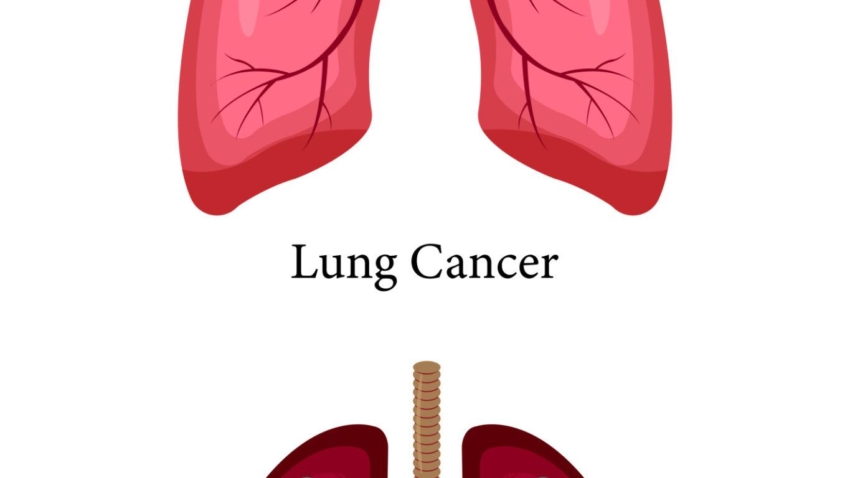
15 Powerful Facts About Lung Cancer: The Complete & Hopeful Guide to Treatment Costs, Best Hospitals & Doctors (2026 Review)
Lung Cancer: The Complete & Hopeful Guide to Treatment Costs, Best Hospitals & Doctors


Introduction
Lung Cancer is one of the most common and serious cancers worldwide. It develops when abnormal cells in the lungs grow uncontrollably, forming tumors that can interfere with breathing and spread (metastasize) to other parts of the body if left untreated. Although smoking remains the leading risk factor, lung cancer can also occur in people who have never smoked.
Advances in early detection, minimally invasive surgery, targeted therapy, immunotherapy, precision medicine, and radiation therapy have significantly improved outcomes for many patients. While treatment success depends on the type and stage of cancer, early diagnosis greatly increases the chance of effective treatment.
This comprehensive guide covers everything about lung cancer, including its history, causes, symptoms, diagnosis, treatment options, estimated costs, best hospitals, leading doctors, prevention, timeline, FAQs, significance, review, and its impact on daily life and society.
What Is Lung Cancer?
Lung cancer begins when cells in the lungs undergo genetic changes that cause them to grow and divide uncontrollably.
There are two major types:
1. Non-Small Cell Lung Cancer (NSCLC)
This is the most common type, accounting for approximately 85% of cases.
2. Small Cell Lung Cancer (SCLC)
This type grows more rapidly and often spreads earlier than NSCLC.
The stage of lung cancer helps determine treatment options and prognosis.
History of Lung Cancer
Medical understanding of lung cancer has advanced dramatically over the last century.
Timeline
- 1700s–1800s: Lung cancer was considered rare.
- 1930s–1950s: Strong evidence linked cigarette smoking with lung cancer.
- 1950: Richard Doll and Austin Bradford Hill published landmark research demonstrating the association between smoking and lung cancer.
- 1990s: CT imaging and minimally invasive thoracic surgery improved diagnosis and treatment.
- 2000s: Targeted therapies emerged for patients with specific genetic mutations.
- 2010s–Present: Immunotherapy and molecular testing revolutionized treatment for many patients with advanced disease.
Causes
Lung cancer develops due to a combination of genetic and environmental factors.
Major causes and risk factors include:
- Cigarette smoking
- Secondhand smoke exposure
- Radon gas exposure
- Air pollution
- Occupational exposure to asbestos, silica, or diesel exhaust
- Family history
- Previous radiation therapy to the chest
- Certain inherited genetic changes
Symptoms
Early lung cancer may not cause noticeable symptoms.
As the disease progresses, symptoms may include:
- Persistent cough
- Coughing up blood
- Chest pain
- Shortness of breath
- Wheezing
- Hoarseness
- Unexplained weight loss
- Fatigue
- Frequent chest infections
Anyone with persistent or concerning respiratory symptoms should seek prompt medical evaluation.
Risk Factors
People may have a higher risk if they:
- Smoke or previously smoked
- Are exposed to secondhand smoke
- Work in industries with hazardous inhaled substances
- Have prolonged exposure to air pollution
- Have a family history of lung cancer
- Have chronic lung diseases
Diagnosis
Doctors may recommend:
- Medical history and physical examination
- Chest X-ray
- CT scan
- PET-CT scan
- MRI (selected cases)
- Bronchoscopy
- Needle biopsy
- Molecular (genetic) testing of tumor tissue
- Blood tests
Accurate diagnosis and staging are essential for selecting the most appropriate treatment.
Treatment Options
Treatment depends on the cancer type, stage, molecular characteristics, and the patient’s overall health.
Surgery
For early-stage disease, surgery may include:
- Wedge resection
- Segmentectomy
- Lobectomy
- Pneumonectomy
Radiation Therapy
Radiation therapy may be used alone or in combination with surgery or systemic treatments.
Chemotherapy
Chemotherapy remains an important treatment for many patients, particularly in advanced disease or alongside surgery and radiation.
Targeted Therapy
Some patients whose tumors have specific genetic mutations may benefit from targeted medications.
Examples include:
- Osimertinib
- Alectinib
Immunotherapy
Immunotherapy has become a standard option for many patients with advanced lung cancer.
Examples include:
- Pembrolizumab
- Nivolumab
Treatment is individualized by a multidisciplinary oncology team.
Estimated Treatment Costs
Costs vary according to cancer stage, treatment plan, hospital, and medications.
| Service | Approximate Cost (India) |
|---|---|
| Oncologist Consultation | ₹1,000–₹3,000 |
| Chest CT Scan | ₹3,000–₹8,000 |
| PET-CT Scan | ₹18,000–₹35,000 |
| Bronchoscopy | ₹10,000–₹30,000 |
| Biopsy | ₹10,000–₹40,000 |
| Lung Cancer Surgery | ₹2–₹8 lakh |
| Chemotherapy (per cycle) | ₹15,000–₹2 lakh+ |
| Radiation Therapy | ₹1.5–₹5 lakh |
| Targeted Therapy | ₹50,000–₹3 lakh+ per month |
| Immunotherapy | ₹1–₹5 lakh+ per cycle |
Actual costs vary based on the hospital, treatment duration, and availability of insurance or government assistance programs.
Best Hospitals for Lung Cancer Treatment


Several hospitals in India are internationally recognized for lung cancer treatment:
- Tata Memorial Centre
- All India Institute of Medical Sciences
- Apollo Cancer Centres
- Medanta – The Medicity
- Fortis Memorial Research Institute
- Max Super Speciality Hospital
- Rajiv Gandhi Cancer Institute and Research Centre
These institutions offer multidisciplinary oncology care, thoracic surgery, radiation oncology, medical oncology, pathology, molecular diagnostics, and supportive care.
Leading Doctors (Examples)
Some highly respected cancer specialists in India include:
- Sandeep Nayak
- V. Ramasundaram
- Arvind Kumar
The most appropriate doctor depends on the cancer type, stage, genetic test results, and individual treatment goals.
Prevention
Although not all cases can be prevented, the risk can be reduced by:
- Avoiding smoking.
- Quitting tobacco use at any age.
- Avoiding secondhand smoke.
- Testing homes for radon where appropriate.
- Wearing protective equipment in hazardous workplaces.
- Reducing exposure to air pollution when possible.
- Eating a healthy diet.
- Exercising regularly.
- Discussing lung cancer screening with a healthcare provider if at high risk.
Interesting Facts
- Lung cancer is one of the leading causes of cancer-related deaths worldwide.
- Most lung cancers are linked to tobacco use, but non-smokers can also develop the disease.
- Early-stage lung cancer may be curable with surgery.
- Molecular testing has enabled more personalized treatment options.
- Immunotherapy has improved survival for many eligible patients with advanced disease.
Timeline of Lung Cancer Care
| Period | Major Development |
|---|---|
| 1700s | Lung cancer considered rare |
| 1950 | Smoking-lung cancer relationship firmly established |
| 1990s | Advanced imaging and thoracic surgery expanded |
| 2000s | Targeted therapies introduced |
| 2010s | Immunotherapy transformed treatment |
| Today | Precision oncology and multidisciplinary care |
Significance
Understanding lung cancer is important because it:
- Encourages early diagnosis.
- Supports tobacco prevention efforts.
- Improves survival through timely treatment.
- Promotes public awareness.
- Advances cancer research.
- Encourages healthy lifestyles.
Importance in Daily Life
Lung cancer awareness helps people:
- Recognize warning symptoms.
- Seek medical evaluation early.
- Make informed lifestyle choices.
- Support family members undergoing treatment.
- Reduce tobacco exposure.
- Improve long-term respiratory health.
Importance to Society
Greater awareness benefits society by:
- Reducing smoking rates.
- Promoting cancer screening for high-risk groups.
- Supporting research into better treatments.
- Lowering healthcare costs through prevention.
- Encouraging cleaner air initiatives.
Review
Review of Modern Lung Cancer Care
Modern lung cancer treatment has improved dramatically through precision medicine, minimally invasive surgery, advanced imaging, molecular testing, targeted therapy, immunotherapy, and multidisciplinary cancer care. Early detection remains one of the strongest predictors of successful treatment. While advanced disease can still be challenging, many patients now experience longer survival and improved quality of life compared with previous decades.
Overall Informational Rating: ⭐⭐⭐⭐⭐ (5/5) for the remarkable progress in evidence-based diagnosis, personalized treatment, and supportive cancer care.
Important Points
- Smoking remains the leading preventable risk factor.
- Lung cancer can also occur in non-smokers.
- Persistent cough should never be ignored.
- Early diagnosis improves treatment success.
- Molecular testing helps personalize therapy.
- Immunotherapy has transformed treatment for many patients.
- Multidisciplinary care provides the best treatment planning.
- Quitting smoking benefits health at every age.
Frequently Asked Questions (FAQs)
1. Can lung cancer be cured?
Some early-stage lung cancers can be cured with surgery and other treatments. Advanced cases may often be managed with combinations of systemic therapies, radiation, and supportive care, depending on the individual situation.
2. Is smoking the only cause?
No. Radon, air pollution, occupational exposures, family history, and genetic factors also contribute.
3. Can non-smokers get lung cancer?
Yes. A significant proportion of lung cancer cases occur in people who have never smoked.
4. Is surgery always required?
No. Treatment depends on the cancer stage, type, molecular profile, and overall health. Some patients receive radiation, chemotherapy, targeted therapy, immunotherapy, or combinations of these treatments.
5. What is immunotherapy?
Immunotherapy helps the body’s immune system recognize and attack cancer cells. It is appropriate for certain patients based on clinical evaluation and tumor characteristics.
6. Can lung cancer be detected early?
Yes. Imaging studies and, for some high-risk individuals, low-dose CT screening may help detect lung cancer at an earlier stage when treatment is often more effective.
Wishing Message
“Wishing strength, hope, and healing to every individual and family affected by lung cancer. May continued advances in research, early diagnosis, compassionate care, and healthy lifestyle choices bring better outcomes and brighter tomorrows for all.”
Conclusion
Lung cancer remains one of the most serious health challenges worldwide, but medical science has made remarkable progress in its diagnosis and treatment. Advances in early detection, minimally invasive surgery, precision medicine, targeted therapy, immunotherapy, and supportive care have significantly improved survival and quality of life for many patients. Early recognition of symptoms, timely medical evaluation, and access to specialized oncology care remain essential for achieving the best possible outcomes.
Preventing tobacco use, reducing exposure to environmental risk factors, promoting screening for eligible high-risk individuals, and supporting ongoing cancer research are key steps toward reducing the global burden of lung cancer. Through greater awareness, compassionate care, and continued innovation, healthcare professionals, patients, families, and communities can work together to improve survival, enhance quality of life, and offer hope to those facing this disease.






Leave a Reply