


15 Powerful Facts About Leukemia: The Complete & Hopeful Guide to Treatment Costs, Best Hospitals & Doctors (2026 Review)
Leukemia: The Complete & Hopeful Guide to Treatment Costs, Best Hospitals & Doctors


Introduction
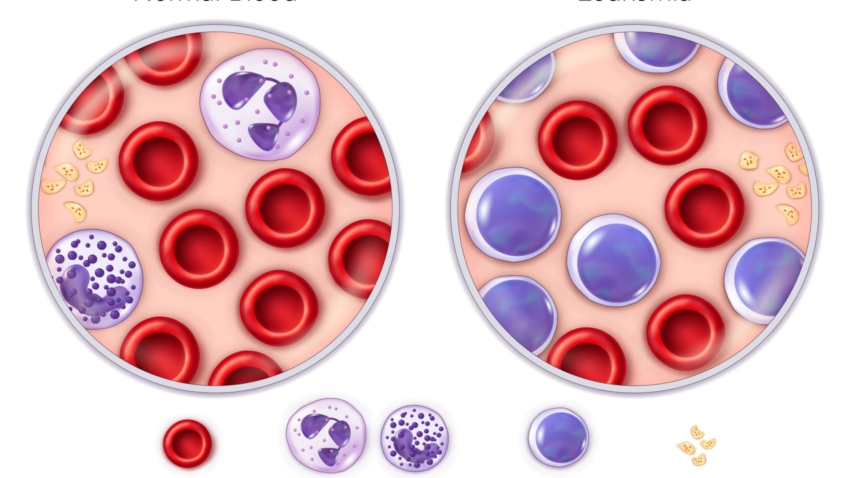
Leukemia is a type of blood and bone marrow cancer that affects the body’s ability to produce healthy blood cells. Instead of making normal white blood cells that protect against infections, the bone marrow produces abnormal leukemia cells that multiply uncontrollably. These abnormal cells crowd out healthy red blood cells, white blood cells, and platelets, leading to infections, anemia, bleeding problems, and other serious complications.
Leukemia can affect both children and adults. Some forms develop rapidly and require immediate treatment, while others progress slowly and may be monitored for some time before therapy begins. Thanks to advances in chemotherapy, targeted therapy, immunotherapy, stem cell transplantation, and precision medicine, survival rates have improved significantly over the past few decades.
This comprehensive guide explains everything about leukemia, including its history, causes, symptoms, diagnosis, treatment options, estimated costs, best hospitals, leading doctors, prevention, timeline, FAQs, significance, review, and its impact on daily life and society.
What Is Leukemia?
Leukemia is a cancer of the blood-forming tissues, primarily the bone marrow. It causes the uncontrolled production of abnormal white blood cells that do not function properly and interfere with the production of healthy blood cells.
The four major types include:
- Acute Lymphoblastic Leukemia (ALL)
- Acute Myeloid Leukemia (AML)
- Chronic Lymphocytic Leukemia (CLL)
- Chronic Myeloid Leukemia (CML)
Each type has different causes, progression, and treatment approaches.
History of Leukemia
Medical understanding of leukemia has evolved dramatically over time.
Timeline
- 1845: Rudolf Virchow first described leukemia as a disease of the blood.
- Late 1800s: Microscopy improved the diagnosis of blood disorders.
- 1940s: Early chemotherapy treatments became available.
- 1970s–1980s: Bone marrow transplantation became an important treatment option.
- 2001: Imatinib transformed the treatment of chronic myeloid leukemia (CML).
- 2010s–Present: Immunotherapy, CAR-T cell therapy, targeted medicines, and genetic testing revolutionized leukemia care.
Causes
The exact cause of leukemia is often unknown, but several factors increase the risk.
Common risk factors include:
- Genetic mutations
- Previous chemotherapy or radiation therapy
- Exposure to high levels of radiation
- Certain chemical exposures (such as benzene)
- Smoking
- Some inherited genetic disorders
- Family history (in selected cases)
Most people with leukemia have no identifiable cause.
Symptoms
Symptoms vary depending on the type of leukemia.
Common symptoms include:
- Persistent fatigue
- Fever
- Frequent infections
- Easy bruising
- Bleeding gums
- Nosebleeds
- Bone or joint pain
- Swollen lymph nodes
- Enlarged liver or spleen
- Unexplained weight loss
- Night sweats
Symptoms may develop suddenly in acute leukemia or gradually in chronic leukemia.
Risk Factors
People may have a higher risk if they:
- Have certain inherited genetic syndromes
- Previously received chemotherapy or radiation
- Smoke tobacco
- Have prolonged exposure to industrial chemicals
- Have a family history of some leukemia types
Diagnosis
Doctors may recommend:
- Medical history and physical examination
- Complete blood count (CBC)
- Peripheral blood smear
- Bone marrow aspiration and biopsy
- Flow cytometry
- Cytogenetic analysis
- Molecular genetic testing
- CT scan or PET scan (selected cases)
- Lumbar puncture (for some leukemia types)
These tests help identify the leukemia subtype and guide treatment.
Treatment Options
Treatment depends on the leukemia type, stage, age, genetic findings, and overall health.
Chemotherapy
Chemotherapy remains the primary treatment for many leukemia types.
Targeted Therapy
Targeted medicines attack specific genetic abnormalities.
Examples include:
- Imatinib
- Dasatinib
- Nilotinib
Immunotherapy
Immunotherapy helps the immune system attack leukemia cells.
Examples include:
- Blinatumomab
- Rituximab
Stem Cell (Bone Marrow) Transplant
A stem cell transplant may be recommended for selected patients with high-risk or relapsed leukemia.
CAR-T Cell Therapy
Some patients with specific relapsed or refractory leukemia types may benefit from CAR-T cell therapy, an advanced form of immunotherapy available in specialized centers.
Estimated Treatment Costs
Costs depend on leukemia type, treatment duration, medications, and transplant needs.
| Service | Approximate Cost (India) |
|---|---|
| Hematologist Consultation | ₹1,000–₹3,000 |
| CBC & Blood Tests | ₹500–₹3,000 |
| Bone Marrow Biopsy | ₹10,000–₹40,000 |
| Molecular Testing | ₹10,000–₹50,000 |
| Chemotherapy (per cycle) | ₹20,000–₹2 lakh+ |
| Targeted Therapy | ₹30,000–₹3 lakh+ per month |
| Stem Cell Transplant | ₹15–₹40 lakh |
| CAR-T Cell Therapy | ₹30 lakh–₹1 crore+ (where available) |
Actual expenses vary depending on hospital, treatment protocol, medication availability, and insurance coverage.
Best Hospitals for Leukemia Treatment


Several hospitals in India are recognized for advanced leukemia care:
- Tata Memorial Centre
- All India Institute of Medical Sciences
- Christian Medical College
- Apollo Cancer Centres
- Medanta – The Medicity
- Fortis Memorial Research Institute
- Rajiv Gandhi Cancer Institute and Research Centre
These institutions offer hematology, bone marrow transplantation, molecular diagnostics, pediatric oncology, immunotherapy, and comprehensive supportive care.
Leading Doctors (Examples)
Some respected hematology and oncology specialists in India include:
- Dharam Choudhary
- Rahul Bhargava
- Gaurav Kharya
The most suitable specialist depends on the leukemia subtype, age, genetic profile, and the need for stem cell transplantation or advanced therapies.
Prevention
Most cases of leukemia cannot be prevented, but some healthy habits may reduce risk:
- Avoid smoking.
- Limit unnecessary exposure to harmful chemicals.
- Follow workplace safety measures.
- Maintain a healthy lifestyle.
- Attend regular medical check-ups if at high risk.
- Seek prompt medical evaluation for persistent symptoms.
Interesting Facts
- Leukemia is the most common childhood cancer, but it also affects adults.
- Chronic leukemias may progress slowly over many years.
- Targeted therapy has dramatically improved outcomes for chronic myeloid leukemia.
- Stem cell transplantation can be curative for some patients.
- Ongoing research continues to improve survival and quality of life.
Timeline of Leukemia Care
| Period | Major Development |
|---|---|
| 1845 | Leukemia first described |
| 1940s | Chemotherapy introduced |
| 1970s | Bone marrow transplantation expanded |
| 2001 | Targeted therapy transformed CML treatment |
| Today | CAR-T therapy and precision medicine continue to improve outcomes |
Significance
Understanding leukemia is important because it:
- Promotes early diagnosis.
- Supports timely treatment.
- Encourages blood donation and stem cell donor awareness.
- Advances cancer research.
- Improves survival through personalized medicine.
Importance in Daily Life
Leukemia awareness helps individuals:
- Recognize early symptoms.
- Seek timely medical care.
- Support family members during treatment.
- Appreciate the importance of blood and stem cell donation.
- Maintain healthy lifestyle habits.
Importance to Society
Greater awareness benefits society by:
- Encouraging early diagnosis.
- Increasing stem cell donor registrations.
- Supporting blood donation programs.
- Improving access to specialized cancer care.
- Promoting cancer research and innovation.
Review
Review of Modern Leukemia Care
Modern leukemia treatment has progressed remarkably through advances in chemotherapy, molecular diagnostics, targeted therapy, immunotherapy, stem cell transplantation, and CAR-T cell therapy. Many forms of leukemia that were once considered difficult to treat now have significantly better survival rates, particularly when diagnosed early and managed in specialized hematology centers. Personalized treatment plans based on genetic testing continue to improve outcomes for both children and adults.
Overall Informational Rating: ⭐⭐⭐⭐⭐ (5/5) for the outstanding progress in diagnosis, precision medicine, advanced therapies, and supportive care.
Important Points
- Leukemia is a cancer of the blood and bone marrow.
- It affects both children and adults.
- Early diagnosis improves treatment success.
- Genetic testing guides personalized therapy.
- Stem cell transplantation can be life-saving for selected patients.
- Blood and platelet transfusions are important supportive treatments.
- Regular follow-up is essential after therapy.
- Ongoing research continues to improve outcomes.
Frequently Asked Questions (FAQs)
1. Can leukemia be cured?
Some types of leukemia, particularly certain childhood leukemias and selected adult cases, can be cured with appropriate treatment. Others can often be controlled for many years. Outcomes depend on the subtype, genetics, age, and response to therapy.
2. Is leukemia hereditary?
Most cases are not inherited, although some genetic syndromes and family histories can increase risk.
3. Does leukemia always require chemotherapy?
Not always. Depending on the leukemia type and individual circumstances, treatment may include targeted therapy, immunotherapy, stem cell transplantation, or observation in selected chronic cases.
4. What is a stem cell transplant?
A stem cell transplant replaces diseased bone marrow with healthy blood-forming stem cells after intensive treatment. It is recommended only for selected patients.
5. What is CAR-T cell therapy?
CAR-T cell therapy is an advanced immunotherapy in which a patient’s own immune cells are modified to recognize and attack leukemia cells. It is available for certain leukemia types in specialized centers.
6. Can children recover from leukemia?
Many children with specific types of leukemia, especially acute lymphoblastic leukemia (ALL), have excellent treatment outcomes with modern therapy, though each case is unique.
Wishing Message
“Wishing strength, hope, courage, and healing to every individual and family affected by leukemia. May ongoing medical advances, compassionate healthcare teams, stem cell donors, and supportive communities continue to bring better treatments, renewed hope, and brighter futures for all.”
Conclusion
Leukemia is a complex group of blood cancers that can affect people of all ages, but remarkable progress in medical science has transformed its diagnosis and treatment. Advances in chemotherapy, targeted therapy, immunotherapy, stem cell transplantation, molecular diagnostics, and CAR-T cell therapy have significantly improved survival and quality of life for many patients. Early diagnosis, personalized treatment, and comprehensive supportive care remain the foundation of successful leukemia management.
Raising awareness about leukemia, encouraging blood and stem cell donation, supporting cancer research, and ensuring access to specialized hematology services are essential steps toward improving outcomes worldwide. Through continued scientific innovation, compassionate care, and strong community support, there is growing hope for longer survival, better quality of life, and, for many patients, the possibility of long-term remission or cure.









Leave a Reply