


15 Powerful Facts About Tuberculosis (TB): The Complete & Hopeful Guide to Treatment Costs, Best Hospitals & Doctors (2026 Review)
Tuberculosis (TB): The Complete & Hopeful Guide to Treatment Costs, Best Hospitals & Doctors
Tuberculosis


Introduction
Tuberculosis (TB) is one of the oldest and most persistent infectious diseases in human history. It mainly affects the lungs but can also spread to other parts of the body such as the kidneys, spine, and brain. TB is caused by bacteria called Mycobacterium tuberculosis, which spreads through the air when an infected person coughs, sneezes, or speaks.
Despite being preventable and curable, TB still affects millions of people worldwide every year. However, modern medicine has made treatment highly effective when taken correctly and consistently. Early diagnosis, proper medication, and public awareness are key to controlling this disease.
This guide covers everything about tuberculosis—its history, causes, symptoms, diagnosis, treatment costs, hospitals, doctors, timeline, prevention, FAQs, significance, review, and its impact on daily life and society.
What is Tuberculosis (TB)?
TB is a bacterial infection that primarily attacks the lungs, known as pulmonary TB. It can also affect other organs, called extrapulmonary TB.
There are two main types:
- Latent TB – bacteria remain inactive and do not cause symptoms.
- Active TB – bacteria multiply and cause symptoms; this type is contagious.
If untreated, active TB can be life-threatening.
History of Tuberculosis
TB has shaped human history for thousands of years.
Timeline
- Ancient Egypt (3000 BCE): Evidence of TB found in mummies.
- 1882: Robert Koch discovered Mycobacterium tuberculosis.
- 1921: First TB vaccine (BCG) introduced.
- 1940s: First effective antibiotics for TB developed.
- 1990s–Present: DOTS strategy (Directly Observed Treatment Short-course) introduced globally by WHO.
TB was once called “consumption” due to severe weight loss in patients.
Causes of Tuberculosis
TB is caused by airborne bacteria spread through:
- Coughing
- Sneezing
- Speaking
- Close contact in poorly ventilated spaces
It does NOT spread through:
- Sharing food
- Touching
- Handshakes
Symptoms of TB
Common symptoms include:
- Persistent cough (more than 2–3 weeks)
- Coughing blood
- Chest pain
- Fever and night sweats
- Weight loss
- Fatigue
- Loss of appetite
Extrapulmonary TB symptoms depend on the affected organ.
Risk Factors
You may be at higher risk if you:
- Have weak immunity (HIV/AIDS, diabetes)
- Live in crowded conditions
- Are undernourished
- Smoke tobacco
- Consume alcohol excessively
- Work in healthcare or high-exposure environments
Diagnosis of TB
Doctors may recommend:
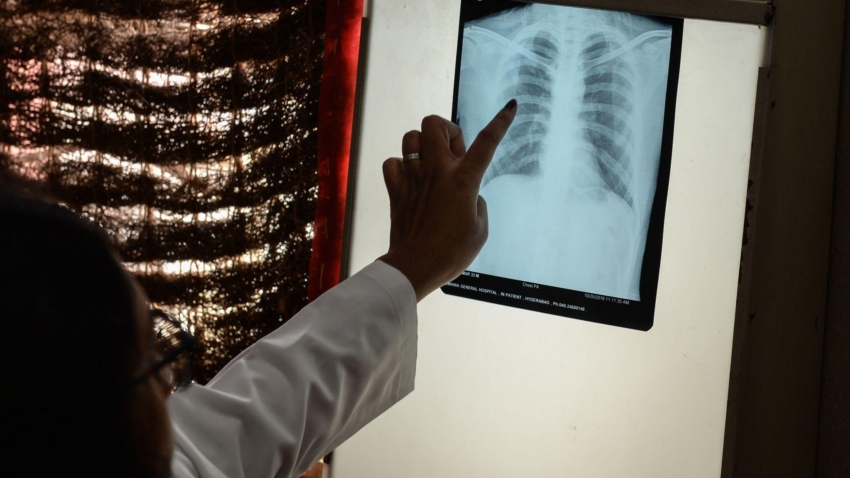
- Chest X-ray
- Sputum test
- CBNAAT / GeneXpert test
- Mantoux skin test
- Blood tests
- CT scan (in complicated cases)
Early diagnosis is crucial to prevent spread.
Treatment of TB
TB is curable with a long course of antibiotics (usually 6–9 months).
Common medications include:
- Isoniazid
- Rifampicin
- Pyrazinamide
- Ethambutol
Treatment is given under DOTS (Directly Observed Treatment Short-course) to ensure compliance.
Drug-Resistant TB
Some cases are resistant to standard drugs:
- MDR-TB (Multidrug-resistant TB)
- XDR-TB (Extensively drug-resistant TB)
These require longer and more complex treatment.
Estimated Cost of TB Treatment (India)
| Service | Approximate Cost |
|---|---|
| TB Test (GeneXpert) | ₹1,000 – ₹3,000 |
| Chest X-ray | ₹300 – ₹1,500 |
| Basic TB Treatment (Public hospitals) | Often FREE |
| Private TB Treatment | ₹10,000 – ₹50,000 |
| MDR-TB Treatment | ₹1 lakh – ₹5 lakh+ |
| Hospitalization (severe cases) | ₹20,000 – ₹2 lakh+ |
Government programs often provide free medicines and support under national TB elimination programs.
Best Hospitals for TB Treatment in India


Top hospitals include:
- All India Institute of Medical Sciences
- Postgraduate Institute of Medical Education and Research
- Christian Medical College
- Tata Memorial Centre
- Apollo Hospitals
- Medanta – The Medicity
These hospitals offer pulmonology, infectious disease care, imaging, and MDR-TB treatment.
Leading Doctors (Examples)
Some respected specialists in India include:
- Randeep Guleria
- Arvind Kumar
- Soumya Swaminathan
(Doctor selection depends on disease severity and hospital expertise.)
Timeline of TB Care
| Period | Development |
|---|---|
| Ancient times | TB identified in ancient civilizations |
| 1882 | Germ discovered by Robert Koch |
| 1921 | BCG vaccine introduced |
| 1940s | Antibiotic treatment discovered |
| 1990s | DOTS program launched |
| Today | Molecular testing & shorter regimens |
Importance of TB Awareness
TB awareness helps to:
- Detect disease early
- Prevent spread
- Improve treatment success
- Reduce stigma
- Support public health systems
Importance in Daily Life
TB awareness impacts daily life by:
- Encouraging cough hygiene
- Promoting ventilation in homes
- Supporting early testing
- Reducing fear and misinformation
- Helping protect families and communities
Importance to Society
TB control benefits society by:
- Reducing mortality
- Lowering healthcare burden
- Improving workforce health
- Supporting national health goals
- Eliminating infectious disease spread
Interesting Facts About TB
- TB is one of the top infectious killers worldwide.
- It has existed for thousands of years.
- One-third of the world population has latent TB infection.
- TB is completely curable with proper treatment.
- Stopping treatment early can cause drug resistance.
Review: Modern TB Care
Modern TB treatment is highly effective when followed correctly. With DOTS programs, rapid diagnostic tests, and free government medication support, millions of lives are saved every year. Drug-resistant TB remains a challenge, but newer medicines and research are improving outcomes.
Rating: ⭐⭐⭐⭐⭐ (5/5) for curability when properly treated and strong public health systems.
FAQs About Tuberculosis (TB)
1. Is TB curable?
Yes, TB is completely curable with full and correct treatment.
2. How long is TB treatment?
Usually 6 months for regular TB; longer for drug-resistant TB.
3. Is TB contagious?
Yes, active TB spreads through air.
4. Can TB come back?
Yes, if treatment is not completed properly.
5. Is TB vaccine effective?
BCG vaccine helps prevent severe TB in children but does not fully prevent infection.
6. Can TB affect other organs?
Yes, TB can affect bones, brain, kidneys, and more.
Wishing Message
“Wishing strength, hope, and healing to all individuals affected by Tuberculosis. With early detection, proper treatment, and strong support, recovery is always possible and a healthy future is within reach.”
Conclusion
Tuberculosis (TB) is one of the oldest yet still significant infectious diseases in the world. However, it is also one of the most treatable. With proper diagnosis, consistent medication, public awareness, and government health programs, TB can be fully cured and controlled.
Modern science, improved testing methods, and effective drug regimens have transformed TB from a deadly disease into a manageable and curable condition. The key lies in awareness, early detection, and completing the full treatment course.
By reducing stigma, improving healthcare access, and strengthening public health systems, society can move closer to eliminating TB and protecting future generations from this ancient disease.






Leave a Reply