


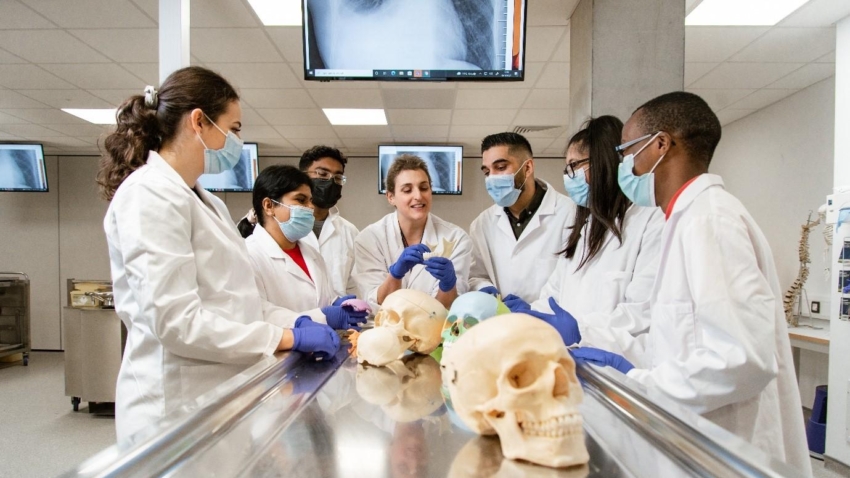
12 Essential Medical Student Secrets: The Ultimate Positive Guide to Colleges, Fees, Hostel Costs & Success
Featured Images: Medical Student Secrets


12 Must Know Medical Students Know: The Complete Guide to Medical College, Fees, Hostel Costs & Career Success
Medical Student Secrets: Choosing medicine as a career is one of the most rewarding decisions a student can make. Becoming a doctor requires dedication, patience, and years of education, but it also offers the opportunity to save lives, improve communities, and contribute to society in meaningful ways.
Every year, thousands of students dream of entering medical college. However, many of them focus only on clearing entrance examinations and forget to understand what medical life actually involves. From tuition fees and hostel expenses to daily schedules and career opportunities, there is much more to know before stepping into medical school.
This comprehensive guide explains the 12 must know medical students know, covering costs, history, hostel life, accommodation, study tips, significance, FAQs, reviews, and much more.
History of Medical Education
Medicine has existed for thousands of years.
Some important milestones include:
- Ancient Indian medicine developed through Ayurveda.
- Ancient Egypt introduced surgical practices.
- Greek physicians established scientific observation.
- Medieval universities formalized medical education.
- Modern medical colleges now combine technology with patient care.
Today, medical education includes classroom learning, laboratory training, hospital exposure, clinical practice, and research.
Timeline of Medical Education
| Year | Milestone |
|---|---|
| Ancient Era | Traditional medicine develops |
| 5th Century BCE | Scientific medicine expands |
| 18th Century | Modern anatomy education |
| 19th Century | Clinical teaching hospitals established |
| 20th Century | Advanced medical specialization |
| 21st Century | Digital learning, AI, robotics and simulation |
12 Must Know Medical Students Know
1. Medical School Requires Long-Term Commitment
An MBBS degree usually requires:
- 5–5.5 years
- Internship
- Licensing
- Optional postgraduate specialization
Medicine is a marathon rather than a sprint.
2. Entrance Exams Are Highly Competitive
Students should prepare for:
- Biology
- Chemistry
- Physics
- Logical reasoning
- Time management
Daily consistency matters more than studying for long hours occasionally.
3. MBBS College Fees
Approximate annual tuition fees (India):
| College Type | Annual Fees |
|---|---|
| Government Medical College | ₹10,000–₹1,50,000 |
| Semi-Government | ₹2–8 lakh |
| Private Medical College | ₹8–25 lakh |
| Deemed Universities | ₹15–35 lakh |
Fees vary depending on the institution and state.
4. Hostel Fees
Typical hostel charges:
| Facility | Annual Cost |
|---|---|
| Government Hostel | ₹10,000–50,000 |
| Private Hostel | ₹50,000–1,80,000 |
| Premium Hostel | ₹2–3 lakh |
Many colleges include:
- Wi-Fi
- Security
- Laundry
- Study rooms
- Dining hall
5. Accommodation Expenses
Students living outside campus may spend:
| Expense | Monthly Cost |
|---|---|
| PG Accommodation | ₹5,000–15,000 |
| Shared Apartment | ₹8,000–20,000 |
| Food | ₹3,000–8,000 |
| Transportation | ₹500–3,000 |
| Internet | ₹500–1,000 |
6. Books and Study Materials
Medical books are expensive.
Estimated yearly expense:
- Textbooks
- Practical manuals
- Lab coats
- Stethoscope
- Stationery
Average annual cost:
₹15,000–50,000
7. Clinical Exposure Begins Early
Students gradually learn:
- Patient examination
- Diagnosis
- Communication
- Emergency care
- Medical ethics
Practical experience is one of the strongest parts of medical education.
8. Time Management Is Essential
Medical students often study:
- Anatomy
- Physiology
- Biochemistry
- Pharmacology
- Pathology
- Surgery
- Medicine
- Pediatrics
- Obstetrics
- Psychiatry
Planning daily schedules helps reduce stress.
9. Mental Health Matters
Medical education can be emotionally demanding.
Healthy habits include:
- Regular exercise
- Balanced meals
- Adequate sleep
- Talking with friends
- Seeking support when needed
10. Internships Build Confidence
Internships provide experience in:
- Emergency departments
- Surgery
- Medicine
- Pediatrics
- Community health
- Obstetrics
Students begin applying classroom knowledge to real patients.
11. Career Opportunities
Graduates can become:
- Physician
- Surgeon
- Pediatrician
- Radiologist
- Dermatologist
- Cardiologist
- Researcher
- Professor
- Public Health Officer
- Medical Administrator
Medicine offers diverse career paths.
12. Lifelong Learning Never Stops
Doctors continuously update their knowledge because medical science evolves with new treatments, technologies, and research.
Learning never truly ends in medicine.
Estimated Total Cost of MBBS
| Expense | Approximate Cost |
|---|---|
| Tuition | ₹50,000–1.5 crore (depending on institution) |
| Hostel | ₹50,000–8 lakh |
| Books | ₹1–3 lakh |
| Equipment | ₹20,000–80,000 |
| Living Expenses | ₹2–8 lakh |
| Miscellaneous | ₹50,000–2 lakh |
Essential Items Every Medical Student Needs
- Laptop
- Stethoscope
- Lab coat
- Comfortable shoes
- Backpack
- Medical textbooks
- Flashcards
- Water bottle
- Power bank
- Planner
- Highlighters
- Digital note-taking app
Important Facts
- MBBS is one of the world’s most respected degrees.
- Doctors continue learning throughout their careers.
- Clinical experience is as important as theory.
- Communication skills improve patient care.
- Teamwork is essential in hospitals.
- Ethics play a vital role in medical practice.
Significance of Medical Education
Medical education strengthens healthcare systems by producing skilled professionals capable of diagnosing diseases, preventing illnesses, conducting research, and serving communities. Doctors also contribute to public health awareness, emergency response, and medical innovation, making their role indispensable to society.
Importance in Daily Life
Doctors influence everyday life by:
- Treating illnesses
- Preventing diseases through vaccinations
- Promoting healthy lifestyles
- Responding to emergencies
- Supporting maternal and child health
- Managing chronic conditions
Their work directly improves quality of life for individuals and communities.
Observance
Many medical colleges observe:
- White Coat Ceremony
- World Health Day
- Doctors’ Day
- Blood Donation Camps
- Medical Research Conferences
- Community Health Camps
These events foster professionalism and community engagement.
Review Section
Overall Review: ★★★★★ (4.8/5)
Pros
- Highly respected profession
- Strong career stability
- Diverse specialization options
- Opportunity to help society
- Continuous intellectual growth
Cons
- Long duration of study
- High workload
- Competitive entrance process
- Significant financial investment in some institutions
- Demanding work-life balance
Who Should Choose Medicine?
Medicine is best suited for students who are curious about science, enjoy helping others, are resilient under pressure, and are committed to lifelong learning.
Wishing Future Medical Students
To every aspiring medical student:
May your journey be filled with knowledge, compassion, resilience, and success. May you become not only an excellent doctor but also a kind human being who brings hope and healing to countless lives. Best wishes for your entrance exams, medical school, and future career.
Frequently Asked Questions (FAQs)
1. How many years does MBBS take?
Typically 5.5 years in India, including a compulsory internship.
2. What is the average government medical college fee?
It can range from approximately ₹10,000 to ₹1,50,000 per year, depending on the state and institution.
3. Are hostel facilities compulsory?
Many colleges encourage first-year students to stay in hostels, but policies vary.
4. How much should a student budget monthly?
Including food, accommodation, transport, and personal expenses, many students spend around ₹8,000–25,000 per month, depending on the city and lifestyle.
5. Is medicine difficult?
Yes, it is academically challenging, but consistent study habits and practical training make it manageable.
6. Can students receive scholarships?
Yes. Government schemes, state scholarships, and institutional merit-based programs may be available, subject to eligibility.
7. What are the essential tools for first-year students?
A stethoscope (when required), lab coat, anatomy atlas, textbooks, notebook or tablet, and a reliable laptop are commonly recommended.
8. Is hostel life beneficial?
For many students, hostel life offers easier access to classes, peer learning, and campus activities while building independence.
Conclusion
Medicine is far more than earning a degree—it is a commitment to lifelong service, learning, and compassion. Understanding tuition fees, hostel costs, accommodation, study requirements, and career opportunities before entering medical school helps students make informed decisions and prepare financially and emotionally.
The 12 must know medical students know outlined in this guide provide a practical foundation for aspiring doctors. While the journey is demanding, the opportunity to improve lives, contribute to society, and build a fulfilling career makes the effort worthwhile. With careful planning, disciplined study, and a genuine desire to help others, medical students can confidently embark on a path that combines knowledge, responsibility, and purpose.








Leave a Reply