


15 Powerful Wearable Health Tech Data Facts That Are Transforming Healthcare in 2026
Wearable Health Tech Data Facts That Are Transforming Healthcare in 2026


Introduction
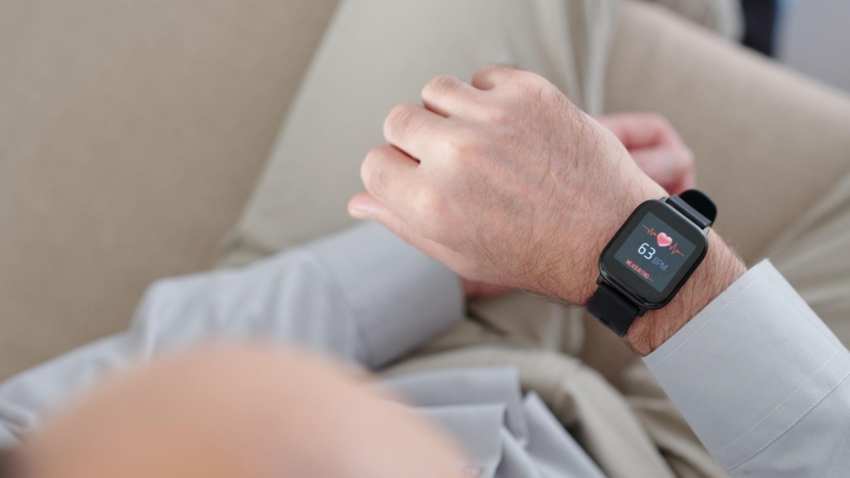
Wearable Health Tech Data has become one of the most revolutionary developments in modern healthcare. From smartwatches that monitor heart rate to wearable ECG devices and continuous glucose monitors, these technologies collect valuable health information every second. This data helps individuals make healthier choices while enabling healthcare professionals to diagnose diseases earlier and monitor patients remotely.
Today, wearable technology is no longer limited to fitness enthusiasts. Students, athletes, senior citizens, healthcare workers, and even corporate employees rely on wearable devices to improve their well-being. With the advancement of Artificial Intelligence (AI), cloud computing, and Internet of Things (IoT), wearable health devices have become smarter, more accurate, and more affordable.
This article provides everything you need to know about Wearable Health Tech Data, including its history, timeline, costs, benefits, challenges, review, importance, FAQs, and impact on society.
What is Wearable Health Tech Data?
Wearable Health Tech Data refers to health-related information collected through wearable electronic devices that users wear on their body. These devices continuously monitor various health parameters and provide real-time insights.
Examples include:
- Smartwatches
- Fitness bands
- Smart rings
- ECG monitors
- Blood pressure monitors
- Continuous Glucose Monitors (CGM)
- Smart clothing
- Sleep tracking devices
The collected data includes:
- Heart rate
- Blood oxygen (SpO₂)
- Blood glucose
- Sleep quality
- Physical activity
- Calories burned
- ECG readings
- Stress levels
- Body temperature
- Respiratory rate
History of Wearable Health Technology
The concept of wearable technology began decades ago.
1960s
Scientists developed the first wearable computer for mathematical calculations.
1980s
Heart rate monitors became popular among professional athletes.
1990s
Digital pedometers entered the consumer market.
2000s
Wireless fitness trackers gained popularity.
2010
Smartphones connected with wearable devices.
2014
Smartwatches became mainstream.
2018
ECG-enabled smartwatches transformed personal healthcare.
2020
COVID-19 accelerated remote patient monitoring.
2023–2026
AI-powered wearable devices now predict illnesses before symptoms appear.
Timeline of Wearable Health Tech
| Year | Milestone |
|---|---|
| 1961 | First wearable computer |
| 1982 | Heart rate monitor introduced |
| 1998 | Digital pedometer popularity |
| 2009 | Fitness tracking revolution |
| 2014 | Smartwatch healthcare begins |
| 2018 | ECG smartwatch approved |
| 2020 | Remote monitoring expands |
| 2024 | AI health analytics improve |
| 2026 | Predictive wearable healthcare |
Types of Wearable Health Devices


Smartwatches
Monitor:
- Heart rate
- ECG
- Oxygen
- Sleep
- Exercise
Fitness Bands
Track:
- Walking
- Running
- Calories
- Sleep
- Daily steps
Smart Rings
Offer:
- Temperature monitoring
- Sleep analysis
- Stress tracking
- Heart rate monitoring
Continuous Glucose Monitors (CGM)
Used by diabetic patients to monitor glucose every few minutes without repeated finger pricks.
Smart Clothing
Embedded sensors monitor:
- Muscle movement
- Heart activity
- Body posture
- Temperature
How Wearable Health Tech Works
The wearable device contains sensors that continuously collect physiological data.
The process includes:
- Data collection
- Signal processing
- AI analysis
- Smartphone synchronization
- Cloud storage
- Health report generation
Doctors can review this information remotely.
Estimated Costs of Wearable Devices (India)
| Device | Approximate Price |
|---|---|
| Basic Fitness Band | ₹1,500–₹4,000 |
| Smartwatch | ₹4,000–₹40,000 |
| Premium Smartwatch | ₹40,000–₹90,000 |
| Smart Ring | ₹20,000–₹45,000 |
| CGM Sensor | ₹2,500–₹8,000 per sensor |
| ECG Wearable | ₹10,000–₹60,000 |
Prices vary depending on brand and features.
Benefits of Wearable Health Tech Data
1. Early Disease Detection
Abnormal heart rhythms can be identified before symptoms develop.
2. Better Fitness Tracking
Users stay motivated by monitoring daily goals.
3. Improved Sleep
Sleep tracking identifies poor sleep habits.
4. Diabetes Management
CGMs provide continuous glucose readings.
5. Remote Patient Monitoring
Doctors can monitor patients without hospital visits.
6. Personalized Healthcare
AI creates customized health recommendations.
7. Emergency Alerts
Some devices automatically detect falls and contact emergency services.
Challenges
Although beneficial, wearable technology has limitations.
Data Privacy
Health information must be securely protected.
Battery Life
Frequent charging can be inconvenient.
Cost
Advanced medical wearables remain expensive.
Accuracy
Consumer-grade devices may not replace clinical diagnostic equipment.
Internet Dependency
Many features require smartphone or internet connectivity.
Interesting Facts
- Millions of wearable devices are sold annually worldwide.
- Some smartwatches can detect atrial fibrillation.
- AI improves wearable accuracy every year.
- Sleep tracking is among the most-used features.
- Hospitals increasingly use remote patient monitoring.
Significance of Wearable Health Tech Data
Wearable health technology empowers individuals to understand their health in real time. Instead of reacting only after illness occurs, people can take preventive action through regular monitoring.
Its significance includes:
- Preventive healthcare
- Personalized medicine
- Better chronic disease management
- Reduced healthcare costs
- Increased awareness about healthy lifestyles
- Faster emergency response
- Improved healthcare accessibility in remote areas
Importance in Student Life
Students can use wearable devices to:
- Track daily physical activity
- Improve sleep habits
- Manage stress during examinations
- Monitor heart rate while exercising
- Build healthier routines
- Stay motivated through activity goals
Healthy students often experience better concentration and productivity.
Importance in Daily Life
Wearables assist everyday users by:
- Monitoring exercise
- Encouraging movement
- Tracking hydration reminders
- Measuring stress
- Supporting meditation
- Improving sleep quality
- Recording workout progress
Importance to Society
Wearable health technology contributes to society by:
- Reducing healthcare burden
- Supporting elderly care
- Improving public health monitoring
- Encouraging preventive healthcare
- Lowering hospitalization rates
- Enabling telemedicine
- Enhancing medical research through anonymized data
Review: Is Wearable Health Tech Worth It?
⭐⭐⭐⭐☆ (4.5/5)
Pros
- Easy health monitoring
- Real-time health insights
- Supports fitness goals
- Early warning for certain health issues
- Encourages healthier lifestyles
- Useful for chronic disease management
Cons
- Premium devices can be costly
- Battery maintenance
- Privacy concerns
- Not a replacement for professional medical diagnosis
Overall Verdict: Wearable health technology is a valuable companion for preventive healthcare and fitness. While it should not replace medical advice, it can significantly improve awareness and encourage healthier habits.
Important Points
- Collects health data continuously
- Supports AI-powered healthcare
- Enables remote monitoring
- Improves disease prevention
- Encourages active lifestyles
- Helps doctors make informed decisions
- Continues evolving rapidly
Observance
Many schools, colleges, hospitals, and workplaces encourage the responsible use of wearable health technology through wellness programs, fitness challenges, health awareness campaigns, and preventive health screenings. While there is no universal “Wearable Health Tech Day,” these devices are increasingly highlighted during digital health initiatives and public health observances.
Wishing Message
“May wearable health technology empower everyone to lead healthier, happier, and more informed lives. Wishing you good health, smart choices, and a future where technology helps every individual thrive.”
Frequently Asked Questions (FAQs)
1. What is Wearable Health Tech Data?
It is health information collected by wearable devices such as smartwatches, fitness bands, and medical sensors.
2. Is wearable health data accurate?
Many devices provide reliable estimates for daily monitoring, but medical-grade devices are generally more accurate. Wearables should complement, not replace, professional medical evaluation.
3. Who should use wearable devices?
Students, fitness enthusiasts, patients with chronic conditions, older adults, and anyone interested in tracking their health can benefit.
4. Can wearables detect diseases?
Some devices can detect irregular heart rhythms, changes in blood oxygen, or unusual trends that may indicate health issues, but they do not diagnose diseases on their own.
5. Are wearable devices safe?
Yes, when used according to the manufacturer’s instructions. Users should also follow good data privacy practices.
6. Do wearable devices require the internet?
Many features work offline, but syncing data, cloud backups, and advanced analytics often require a smartphone and internet connection.
7. Can wearable data help doctors?
Yes. Shared wearable data can provide useful insights into long-term health trends and support clinical decision-making.
8. Are wearables suitable for children?
Some fitness trackers are designed for children, but parents should consider privacy, comfort, and age-appropriate features.
Daily Life Impact
Wearable Health Tech Data has transformed how people approach wellness. Instead of waiting for routine checkups, individuals can monitor important health indicators every day. This promotes preventive care, healthier habits, and timely medical consultations when unusual patterns arise.
Communities also benefit from healthier populations, while healthcare systems can use remote monitoring to reduce unnecessary hospital visits and improve care for patients in rural or underserved areas.
Conclusion
Wearable Health Tech Data represents a major step toward a smarter, more connected healthcare future. By combining sensors, artificial intelligence, and real-time monitoring, wearable devices empower people to take an active role in their health. From helping students maintain healthy routines to enabling doctors to monitor patients remotely, these technologies are reshaping healthcare worldwide.
As innovation continues, wearable devices are expected to become even more accurate, affordable, and integrated into everyday life. Used responsibly and alongside professional medical care, wearable health technology can improve quality of life, encourage preventive healthcare, and contribute to healthier communities for generations to come.









Leave a Reply