


15 Powerful Gut Health and the Microbiome Secrets That Can Transform Your Health
Gut Health and the Microbiome: The Complete Guide to Better Health, Learning, and Everyday Life


Introduction
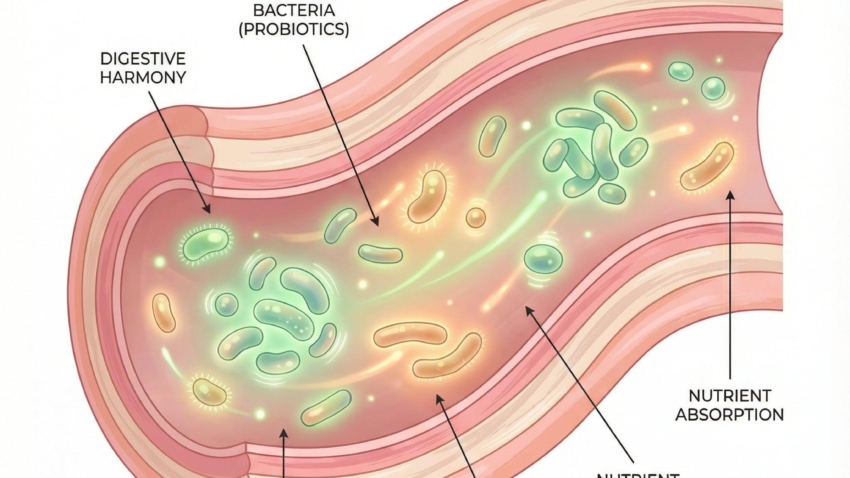
Gut Health and the Microbiome have become some of the most discussed topics in modern medicine and nutrition. Scientists now understand that our digestive system is much more than a place where food is broken down. It is home to trillions of microorganisms—including bacteria, fungi, viruses, and other microbes—that together form the gut microbiome.
A healthy microbiome supports digestion, strengthens the immune system, influences mental health, regulates metabolism, and even impacts academic performance and concentration. For students, professionals, and families, understanding gut health can lead to healthier lifestyles and better long-term well-being.
This comprehensive guide explores everything you need to know about Gut Health and the Microbiome, including its history, timeline, significance, costs, practical tips, FAQs, review, and daily life impact.
What is Gut Health?
Gut health refers to the proper functioning of the digestive system and maintaining a healthy balance of microorganisms living inside the intestines.
A healthy gut helps:
- Digest food efficiently
- Absorb nutrients
- Produce important vitamins
- Support immunity
- Reduce inflammation
- Improve mood
- Protect against harmful bacteria
When the balance of good and bad bacteria is disturbed, problems such as constipation, diarrhea, bloating, obesity, allergies, diabetes, and even anxiety may develop.
What is the Gut Microbiome?
The gut microbiome consists of approximately 100 trillion microorganisms living mainly in the large intestine.
These microorganisms include:
- Beneficial bacteria
- Helpful fungi
- Friendly viruses
- Archaea
- Other microbes
Each person’s microbiome is unique, much like a fingerprint.
History of Gut Health Research
Interest in gut bacteria dates back over a century.
Early 1900s
Scientists noticed that fermented foods appeared to improve digestion.
1907
Russian scientist and Nobel laureate Élie Metchnikoff suggested that beneficial bacteria from fermented milk products could improve health and longevity.
Mid-1900s
Antibiotics revolutionized medicine but also affected beneficial gut bacteria.
1990s
DNA sequencing allowed scientists to identify thousands of bacterial species.
2007
The Human Microbiome Project began mapping microorganisms living in the human body.
Today
Gut microbiome research is one of the fastest-growing areas in medicine.
Timeline of Gut Health
| Year | Event |
|---|---|
| 1907 | Early probiotic theory introduced |
| 1950s | Antibiotic research expands |
| 1970s | Fiber becomes important in digestive health |
| 1990s | DNA sequencing improves microbiome studies |
| 2007 | Human Microbiome Project launched |
| 2015 | Personalized nutrition gains popularity |
| 2020–Present | Microbiome therapies rapidly expand |
Interesting Facts
- The gut contains trillions of microorganisms.
- Around 70% of immune cells are associated with the gut.
- The gut produces a large share of the body’s serotonin, a neurotransmitter linked to mood.
- Gut bacteria help produce vitamins such as Vitamin K and certain B vitamins.
- No two microbiomes are exactly alike.
- Diet can influence gut bacteria within days.
Why Gut Health Matters
Good gut health contributes to:
- Strong immunity
- Better digestion
- Healthy metabolism
- Weight management
- Better concentration
- Improved mood
- Better sleep
- Reduced inflammation
Importance for Students
Students often experience irregular eating habits, stress, and lack of sleep, all of which can affect gut health.
Benefits of maintaining a healthy gut include:
- Improved memory
- Better concentration
- Higher energy levels
- Stronger immunity
- Reduced stomach problems
- Better attendance at school or college
- Improved emotional well-being
Healthy gut habits for students:
- Eat breakfast daily.
- Include fruits and vegetables.
- Drink enough water.
- Avoid excessive junk food.
- Sleep 7–9 hours.
- Exercise regularly.
- Manage stress through relaxation techniques.
Foods That Improve Gut Health


Excellent choices include:
- Yogurt with live cultures
- Kefir
- Kimchi
- Sauerkraut
- Whole grains
- Oats
- Apples
- Bananas
- Garlic
- Onions
- Beans
- Lentils
- Chickpeas
- Green vegetables
- Nuts
- Seeds
Foods That May Harm Gut Health
Excessive intake of the following may negatively affect the microbiome:
- Sugary drinks
- Ultra-processed foods
- Excess alcohol
- Frequent fast food
- Excessive antibiotics (only use when prescribed)
- Artificial trans fats
Common Signs of Poor Gut Health
Symptoms may include:
- Bloating
- Constipation
- Diarrhea
- Gas
- Indigestion
- Food intolerances
- Fatigue
- Skin problems
- Frequent infections
- Mood changes
Daily Habits for a Healthy Microbiome
Simple practices include:
- Eat a variety of plant-based foods.
- Consume probiotic foods regularly.
- Include prebiotic-rich foods.
- Stay hydrated.
- Exercise most days.
- Sleep well.
- Reduce stress.
- Avoid smoking.
- Limit unnecessary antibiotics.
- Eat meals at regular times.
Costs of Maintaining Good Gut Health
Gut health does not have to be expensive.
Approximate monthly expenses (India):
| Item | Estimated Cost |
|---|---|
| Fresh fruits | ₹300–₹800 |
| Vegetables | ₹400–₹1,000 |
| Yogurt/Curd | ₹150–₹600 |
| Whole grains | ₹300–₹700 |
| Nuts & Seeds | ₹300–₹1,500 |
| Probiotic supplements (optional) | ₹500–₹2,000 |
Most people can support gut health through affordable dietary choices without relying on supplements.
Gut Health and Mental Health
Scientists often refer to the gut-brain axis, the communication network between the digestive system and the brain.
A balanced microbiome may help:
- Reduce stress
- Improve mood
- Support emotional well-being
- Enhance focus
- Promote better sleep
While research is ongoing, maintaining gut health is increasingly recognized as one part of overall wellness.
Gut Health and Society
Healthy communities benefit when individuals maintain good digestive health because it can contribute to:
- Lower healthcare costs
- Better workplace productivity
- Improved school attendance
- Healthier aging populations
- Greater awareness of preventive healthcare
Important Points
- Gut bacteria support digestion.
- A healthy diet shapes the microbiome.
- Fiber feeds beneficial bacteria.
- Fermented foods provide helpful microbes.
- Exercise supports gut diversity.
- Sleep influences gut health.
- Stress management benefits digestion.
- Antibiotics should be used responsibly.
- Hydration is essential.
- Long-term healthy habits matter more than quick fixes.
Significance of Gut Health
Gut health is significant because it connects nutrition, immunity, metabolism, and overall well-being. Rather than focusing only on treating illness, maintaining a healthy microbiome emphasizes prevention and supports lifelong health.
Wishing Message
“May you and your loved ones enjoy good health, balanced nutrition, and a healthy gut that supports a happier, stronger, and more energetic life every day.”
Review
Overall Rating: ⭐⭐⭐⭐⭐ (5/5)
Nutrition: ★★★★★
Scientific Importance: ★★★★★
Benefits for Students: ★★★★★
Ease of Following Healthy Habits: ★★★★☆
Long-Term Health Value: ★★★★★
Review Summary
The science behind Gut Health and the Microbiome has transformed our understanding of health. Simple lifestyle changes—such as eating more fiber, including fermented foods, staying active, sleeping well, and managing stress—can have meaningful benefits for digestion and overall wellness. While supplements may help some individuals, most people can support a healthy microbiome through balanced dietary habits.
Frequently Asked Questions (FAQs)
1. What is the gut microbiome?
It is the collection of microorganisms living in your digestive tract that help support digestion, immunity, and overall health.
2. Can diet change the microbiome?
Yes. Dietary patterns can influence the composition of gut bacteria, sometimes within a few days.
3. Are probiotics necessary?
Not always. Many people obtain beneficial microbes through fermented foods and a balanced diet. Supplements may be appropriate for some individuals based on medical advice.
4. What are prebiotics?
Prebiotics are types of dietary fiber that nourish beneficial gut bacteria.
5. Does stress affect gut health?
Yes. Chronic stress can influence digestion and the balance of the gut microbiome.
6. Can exercise improve gut health?
Regular physical activity is associated with greater microbial diversity and better digestive health.
7. Is gut health important for students?
Yes. Healthy eating and lifestyle habits may support energy, concentration, and overall well-being.
8. Can antibiotics affect the microbiome?
Yes. Antibiotics can reduce both harmful and beneficial bacteria, so they should be used only when prescribed.
9. How much fiber should adults eat?
General recommendations vary, but many adults benefit from consuming around 25–38 grams of fiber daily, depending on age and sex.
10. How long does it take to improve gut health?
Positive changes can begin within days or weeks of adopting healthier habits, though maintaining long-term consistency is most important.
Conclusion
Gut Health and the Microbiome are central to overall physical and mental well-being. From improving digestion and nutrient absorption to supporting immunity, mood, and energy levels, the microorganisms in our intestines play an essential role in daily life. Students, working professionals, and older adults alike can benefit from simple habits such as eating more fiber-rich foods, consuming fermented foods, staying physically active, getting adequate sleep, and managing stress.
Rather than relying on expensive solutions, most people can build a healthier gut through consistent, balanced lifestyle choices. By understanding and caring for the microbiome, individuals not only improve their own health but also contribute to a healthier, more productive society.









Leave a Reply