


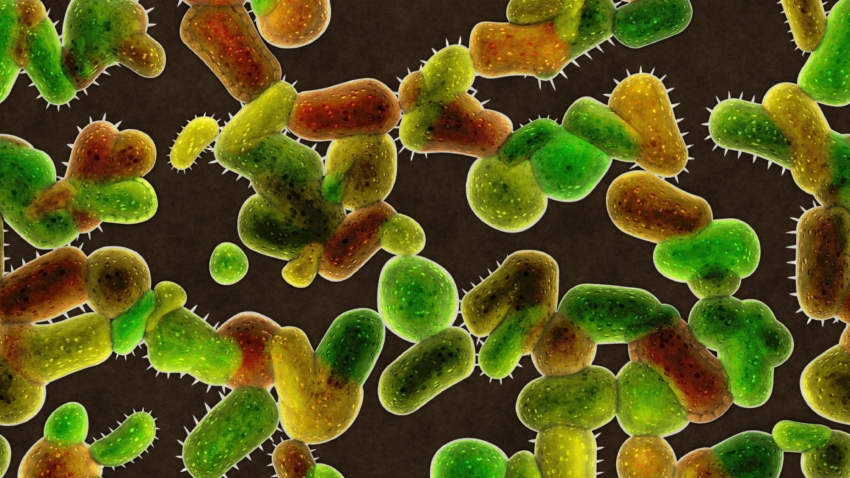
15 Powerful Microbiology & Infectious Diseases Facts Every Student Must Know for a Healthier Future
Microbiology & Infectious Diseases Facts Every Student Must Know for a Healthier Future


Introduction
Microbiology & Infectious Diseases is one of the most fascinating and essential branches of medical science. It focuses on studying microorganisms such as bacteria, viruses, fungi, and parasites, along with the diseases they cause. Every day, healthcare professionals rely on microbiology to diagnose infections, develop vaccines, discover antibiotics, and protect communities from disease outbreaks.
From the discovery of microscopic organisms to modern genetic sequencing and vaccine development, microbiology has transformed healthcare worldwide. Students pursuing medicine, nursing, pharmacy, biotechnology, life sciences, or public health benefit enormously from understanding microbiology because infectious diseases remain among the leading causes of illness globally.
Whether it’s preventing hospital-acquired infections, controlling pandemics, ensuring food safety, or improving public health, microbiology affects everyone’s daily life.
What is Microbiology?
Microbiology is the scientific study of microscopic organisms including:
- Bacteria
- Viruses
- Fungi
- Protozoa
- Algae
- Parasites
Scientists who specialize in microbiology are called microbiologists.
What are Infectious Diseases?
Infectious diseases are illnesses caused by harmful microorganisms entering the human body.
Examples include:
- COVID-19
- Tuberculosis (TB)
- Influenza
- Dengue
- Malaria
- HIV/AIDS
- Hepatitis
- Cholera
- Typhoid
- Pneumonia
History of Microbiology


The history of microbiology spans over 350 years.
Major Historical Milestones
1674 – Antonie van Leeuwenhoek observed microorganisms using his handmade microscope.
1796 – Edward Jenner developed the first smallpox vaccine.
1861 – Louis Pasteur proposed the Germ Theory of Disease.
1882 – Robert Koch discovered the bacteria causing tuberculosis.
1884 – Koch developed his famous Koch’s Postulates.
1928 – Alexander Fleming discovered Penicillin.
1953 – DNA structure discovered.
1983 – HIV virus identified.
2020 – COVID-19 pandemic accelerated vaccine technology.
Timeline
| Year | Event |
|---|---|
| 1674 | Discovery of microorganisms |
| 1796 | First vaccine |
| 1861 | Germ Theory |
| 1882 | Tuberculosis bacterium discovered |
| 1928 | Penicillin discovered |
| 1953 | DNA discovery |
| 1980 | Smallpox eradicated |
| 2020 | COVID-19 pandemic |
| Present | Advanced genomic medicine |
Branches of Microbiology
- Medical Microbiology
- Clinical Microbiology
- Immunology
- Virology
- Bacteriology
- Mycology
- Parasitology
- Environmental Microbiology
- Food Microbiology
- Industrial Microbiology
- Pharmaceutical Microbiology
Common Infectious Diseases
| Disease | Cause |
|---|---|
| Tuberculosis | Bacteria |
| COVID-19 | Virus |
| Malaria | Parasite |
| Dengue | Virus |
| Typhoid | Bacteria |
| Cholera | Bacteria |
| Influenza | Virus |
| Ringworm | Fungus |
| HIV/AIDS | Virus |
| Hepatitis | Virus |
Why Students Should Study Microbiology
Students gain knowledge about:
- Disease prevention
- Laboratory diagnosis
- Antibiotic resistance
- Vaccine development
- Infection control
- Research methods
- Public health
- Biotechnology
- Molecular biology
- Clinical medicine
Educational Courses
Popular courses include:
- MBBS
- MD Microbiology
- BSc Microbiology
- MSc Microbiology
- BMLT
- DMLT
- Pharmacy
- Biotechnology
- Nursing
- Public Health
Approximate Course Costs (India)
| Course | Annual Fees |
|---|---|
| Government College | ₹10,000–₹80,000 |
| Private College | ₹80,000–₹5,00,000 |
| MSc Microbiology | ₹20,000–₹2,00,000 |
| PhD | Usually funded |
Hostel fees generally range from ₹30,000–₹1,20,000 per year, depending on the institution and city.
Career Opportunities
Graduates can work as:
- Clinical Microbiologist
- Medical Laboratory Scientist
- Research Scientist
- Infection Control Officer
- Epidemiologist
- Public Health Officer
- Pharmaceutical Scientist
- Biotechnology Researcher
- Food Safety Officer
- Quality Control Analyst
Salary Expectations (Approximate)
| Position | Annual Salary |
|---|---|
| Fresh Graduate | ₹3–6 LPA |
| Clinical Microbiologist | ₹6–15 LPA |
| Research Scientist | ₹7–20 LPA |
| Professor | ₹8–25 LPA |
| International Research | Higher depending on country |
Importance in Healthcare
Microbiology helps in:
- Early disease diagnosis
- Vaccine development
- Antibiotic discovery
- Infection prevention
- Hospital safety
- Public health surveillance
- Pandemic preparedness
- Food quality testing
- Water quality monitoring
- Environmental protection
Importance in Daily Life
Microbiology affects everyday activities such as:
- Washing hands
- Safe drinking water
- Cooking food properly
- Refrigerating food
- Vaccination
- Cleaning homes
- Personal hygiene
- Waste management
- Dental hygiene
- Air quality
Interesting Facts
- More microbes live inside your body than human cells.
- Not all bacteria are harmful.
- Yogurt contains beneficial bacteria.
- Penicillin was discovered accidentally.
- Vaccines have saved millions of lives.
- Some microbes produce medicines.
- Gut bacteria help digestion.
- Microorganisms recycle nutrients in nature.
Laboratory Equipment
Students commonly use:
- Microscope
- Incubator
- Petri dishes
- Culture media
- PCR machine
- Biosafety cabinet
- Autoclave
- Centrifuge
- Pipettes
- ELISA reader
Safety Rules in Microbiology Labs
- Wear gloves.
- Use lab coats.
- Wash hands.
- Sterilize equipment.
- Dispose of waste safely.
- Never eat inside laboratories.
- Follow biosafety protocols.
- Label samples correctly.
- Report spills immediately.
- Use protective eyewear.
Challenges in Infectious Diseases
- Antibiotic resistance
- Emerging viruses
- Climate change
- Global travel
- Hospital infections
- Poor sanitation
- Vaccine hesitancy
- Drug-resistant tuberculosis
- New pandemics
Prevention Measures
- Vaccination
- Hand washing
- Safe food
- Safe water
- Face masks during outbreaks
- Proper sanitation
- Vector control
- Healthy lifestyle
- Early diagnosis
- Responsible antibiotic use
Significance to Society
Microbiology contributes by:
- Saving millions of lives
- Preventing epidemics
- Improving life expectancy
- Enhancing food safety
- Supporting agriculture
- Protecting the environment
- Advancing medical research
- Strengthening healthcare systems
Important Points for Students
- Learn bacterial classification.
- Understand viruses and immunity.
- Study antibiotics carefully.
- Practice laboratory safety.
- Improve microscope skills.
- Revise infectious diseases regularly.
- Stay updated with research.
- Develop analytical thinking.
- Practice infection control.
- Participate in laboratory training.
Review Section
Overall Review ⭐⭐⭐⭐⭐ (5/5)
Educational Value: ★★★★★
Career Opportunities: ★★★★★
Research Scope: ★★★★★
Global Demand: ★★★★★
Future Growth: ★★★★★
Pros
- Excellent career prospects
- High research opportunities
- Global relevance
- Essential in medicine
- Continuous innovation
- Helps society
Cons
- Requires laboratory precision
- Continuous learning needed
- Exposure risks without safety measures
- Competitive postgraduate admissions
Frequently Asked Questions (FAQs)
1. What is microbiology?
It is the study of microscopic organisms such as bacteria, viruses, fungi, and parasites.
2. Why is microbiology important?
It helps diagnose, prevent, and treat infectious diseases while supporting public health and biotechnology.
3. Is microbiology a good career?
Yes. It offers opportunities in healthcare, research, pharmaceuticals, diagnostics, academia, and biotechnology.
4. Which diseases are infectious?
Examples include tuberculosis, influenza, COVID-19, dengue, malaria, HIV/AIDS, hepatitis, and cholera.
5. Can infectious diseases be prevented?
Many can be prevented through vaccination, hygiene, sanitation, safe food and water, and responsible antibiotic use.
6. Are all microorganisms harmful?
No. Many microbes are beneficial and play essential roles in digestion, food production, and environmental balance.
7. What skills are important for microbiology students?
Observation, laboratory techniques, critical thinking, attention to detail, and scientific communication.
8. What is antibiotic resistance?
It occurs when bacteria evolve to survive antibiotics, making infections harder to treat.
Wishing Message
Best wishes to every student exploring the world of Microbiology & Infectious Diseases. May your curiosity, dedication, and scientific spirit help create a healthier, safer, and disease-free future for humanity. Keep learning, stay inspired, and contribute to medical science with compassion and excellence.
Conclusion
Microbiology & Infectious Diseases is far more than an academic subject—it is a cornerstone of modern healthcare and public well-being. From understanding the smallest microorganisms to preventing global disease outbreaks, this field has transformed medicine and continues to shape the future through innovations in diagnostics, vaccines, and treatments. For students, it offers rewarding careers, opportunities for groundbreaking research, and the chance to make a lasting impact on society.
By practicing good hygiene, supporting vaccination programs, using antibiotics responsibly, and staying informed about infectious diseases, everyone can contribute to healthier communities. As science advances, microbiology will remain essential in protecting lives, improving healthcare systems, and addressing emerging global health challenges.



Leave a Reply