15 Powerful Community Medicine (PSM/CFM) Facts Every Medical Student Must Know for a Healthier Future
Community Medicine (PSM / CFM): The Complete Student Guide


Introduction
Community Medicine, also known as Preventive and Social Medicine (PSM) or Community and Family Medicine (CFM), is one of the most important branches of medical science. Unlike clinical specialties that focus on treating individual patients, Community Medicine focuses on preventing diseases, promoting health, and improving the well-being of entire communities.
For MBBS students, Community Medicine is much more than just another subject. It teaches how environmental factors, nutrition, sanitation, education, vaccination, healthcare policies, epidemiology, and lifestyle influence people’s health.
Today, governments worldwide invest heavily in public health because prevention is always more effective and affordable than treatment. During outbreaks such as COVID-19, Community Medicine specialists played a leading role in disease surveillance, vaccination planning, public awareness, and healthcare management.
What is Community Medicine (PSM/CFM)?
Community Medicine is a branch of medicine dedicated to:
- Disease prevention
- Health promotion
- Early diagnosis
- Epidemiology
- Family health
- Public health administration
- National Health Programs
- Environmental health
- Occupational health
- Maternal and child healthcare
- School health
- Geriatric health
It combines medicine with sociology, economics, environmental science, statistics, management, and behavioral science.
History of Community Medicine
The roots of Community Medicine date back thousands of years.
Ancient Era
- Ancient Indian civilizations emphasized hygiene and sanitation.
- Ayurveda promoted preventive healthcare.
- Clean drinking water and healthy lifestyles were encouraged.
18th Century
Industrialization led to overcrowding and infectious diseases.
19th Century
Public health reforms began in Europe.
Important milestones include:
- Better sewage systems
- Safe drinking water
- Vaccination programs
- Birth and death registration
20th Century
Major developments:
- WHO establishment (1948)
- Expanded immunization
- Family planning
- Maternal healthcare
- Epidemiology
Modern Era
Community Medicine now includes:
- Digital health
- Telemedicine
- Artificial Intelligence
- Health informatics
- Climate change and health
- Pandemic preparedness
Timeline of Community Medicine
| Year | Event |
|---|---|
| Ancient India | Preventive health practices introduced |
| 1796 | Smallpox vaccine developed |
| 1848 | Public Health Act |
| 1948 | WHO established |
| 1978 | Alma-Ata Declaration |
| 1983 | National Health Policy (India) |
| 2005 | National Rural Health Mission |
| 2017 | National Health Policy (India) |
| 2020 | COVID-19 Pandemic strengthened Public Health systems |
Objectives of Community Medicine
Its primary goals are:
- Promote healthy lifestyles
- Prevent diseases
- Increase life expectancy
- Improve quality of life
- Reduce mortality
- Reduce disability
- Promote health education
- Improve sanitation
- Ensure universal healthcare
Major Subjects Covered in PSM
Medical students study:
- Epidemiology
- Biostatistics
- Nutrition
- Demography
- Environmental Health
- Family Planning
- Occupational Health
- School Health
- National Health Programmes
- Disaster Management
- Health Education
- Health Economics
- Public Health Administration
- Research Methodology
Importance for MBBS Students
Community Medicine develops essential skills including:
- Communication
- Research
- Leadership
- Public speaking
- Data interpretation
- Healthcare planning
- Survey methods
- Outbreak investigation
These skills are valuable in every medical specialty.
Community Medicine Practical Training
Students participate in:
- Village visits
- Urban health postings
- School health camps
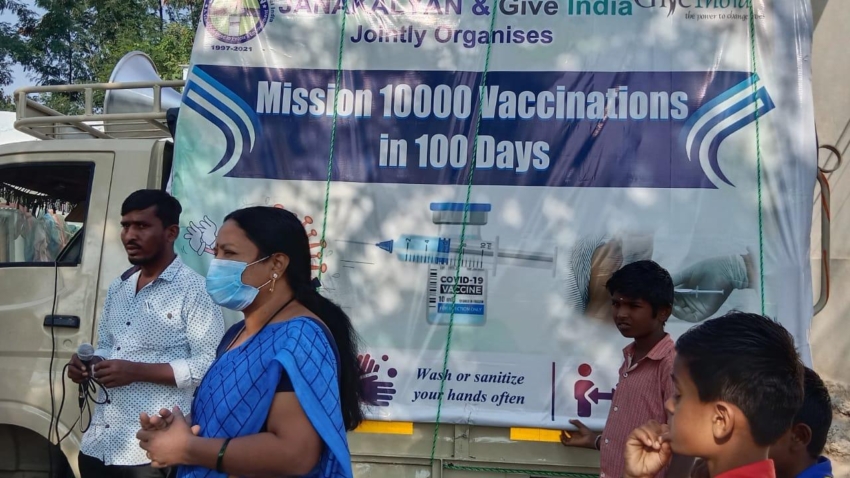
- Vaccination sessions
- Nutrition surveys
- Family health studies
- Disease surveillance
- Health awareness campaigns
Career Opportunities
Graduates may work as:
- Public Health Specialist
- Epidemiologist
- Health Officer
- Medical Officer
- Research Scientist
- WHO Consultant
- UNICEF Consultant
- NGO Program Manager
- Professor
- Health Policy Expert
- Family Physician
Higher Education Options
Students can pursue:
- MD Community Medicine
- MPH (Master of Public Health)
- MSc Epidemiology
- Diploma in Public Health
- Hospital Administration
- Health Informatics
Average Course Fees
Approximate costs in India:
| Course | Government | Private |
|---|---|---|
| MBBS | ₹20,000–₹2 lakh/year | ₹8–25 lakh/year |
| MD Community Medicine | ₹30,000–₹1.5 lakh/year | ₹6–20 lakh/year |
| MPH | ₹50,000–₹3 lakh | ₹2–8 lakh |
Hostel charges generally range from ₹20,000 to ₹1.5 lakh annually, depending on the institution.
Common Research Areas
Community Medicine researchers work on:
- Diabetes
- Hypertension
- Cancer screening
- Maternal health
- Child nutrition
- Vaccination
- Air pollution
- Tobacco control
- Mental health
- Infectious diseases
Important Facts
- Prevention is more cost-effective than treatment.
- Vaccination has prevented millions of deaths worldwide.
- Clean water significantly reduces infectious diseases.
- Lifestyle diseases are increasing globally.
- Community Medicine integrates clinical knowledge with public health.
Significance of Community Medicine
Community Medicine helps:
- Reduce disease burden
- Improve national productivity
- Enhance life expectancy
- Reduce healthcare costs
- Promote healthy communities
- Strengthen healthcare systems
- Prepare for health emergencies
Importance in Daily Life
Community Medicine influences everyday life through:
- Safe drinking water
- Waste management
- Vaccination
- Nutrition education
- School health programs
- Air quality monitoring
- Disease prevention campaigns
- Food safety regulations
Importance to Society
Community Medicine contributes by:
- Controlling epidemics
- Reducing infant mortality
- Supporting maternal health
- Improving sanitation
- Promoting healthy lifestyles
- Guiding public health policies
- Strengthening healthcare access
Health Awareness Observances
Community Medicine actively supports awareness events such as:
- World Health Day
- World No Tobacco Day
- World AIDS Day
- World Immunization Week
- World Diabetes Day
- World Mental Health Day
- World Tuberculosis Day
These observances encourage prevention, early detection, and healthier lifestyles.
Review: Is Community Medicine a Good Career?
⭐⭐⭐⭐⭐ Overall Rating: 4.8/5
Pros
- High social impact
- Diverse career opportunities
- Research-focused
- Government and international job prospects
- Better work-life balance in many roles
- Opportunity to influence health policy
Cons
- Less procedural work than many clinical specialties
- Fieldwork can be demanding
- Requires strong analytical and communication skills
Verdict: Community Medicine is an excellent choice for students passionate about prevention, public health, research, policy, and improving population health.


Wishing Message
Happy Public Health Awareness!
May we all contribute to healthier families, cleaner environments, and stronger communities. Every preventive action today creates a healthier tomorrow.
Frequently Asked Questions (FAQs)
1. What is PSM?
PSM stands for Preventive and Social Medicine, another name for Community Medicine.
2. Is Community Medicine a clinical branch?
It combines medical knowledge with public health and preventive care rather than focusing solely on individual patient treatment.
3. Is MD Community Medicine a good career?
Yes. Graduates have opportunities in government services, academia, research, NGOs, international organizations, and public health administration.
4. What subjects are included in Community Medicine?
Key areas include epidemiology, biostatistics, nutrition, environmental health, health management, family health, occupational health, and national health programs.
5. Why is Community Medicine important?
It helps prevent diseases, promotes healthy lifestyles, improves healthcare planning, and strengthens public health systems.
6. What practical work do students perform?
Community surveys, health education, vaccination sessions, family studies, epidemiological investigations, and health camp participation.
7. Is research important in Community Medicine?
Yes. Research supports evidence-based health policies and interventions that improve population health.
8. Can Community Medicine specialists work internationally?
Yes. Skills in epidemiology, health policy, and program management are valuable in many countries and global health organizations.
Important Examination Points
- Definition of Community Medicine
- Levels of disease prevention
- Epidemiological triad
- Screening tests
- Health indicators
- National Health Programmes
- Vaccination schedules
- Biostatistics basics
- Demographic cycle
- Primary Health Care principles
- Health education methods
- Occupational health hazards
- Environmental sanitation
- Disaster management
- Family planning methods
Daily Life Impact
Community Medicine benefits individuals and society by encouraging preventive practices such as vaccination, hand hygiene, balanced nutrition, regular health check-ups, physical activity, safe water consumption, waste management, and awareness about communicable and non-communicable diseases. These efforts reduce healthcare costs, improve productivity, and contribute to healthier communities.
Conclusion
Community Medicine (PSM/CFM) is one of the most influential branches of medical science because it focuses on keeping populations healthy rather than only treating illness. It equips medical students with the knowledge and skills to prevent diseases, manage public health challenges, conduct research, and improve healthcare systems. From vaccination campaigns and maternal care to epidemiology and disaster preparedness, Community Medicine shapes healthier societies and supports sustainable healthcare. For students, mastering this subject not only strengthens academic success but also prepares them to become compassionate physicians and effective public health leaders who can make a lasting difference in people’s lives.