


15 Powerful Respiratory Physiology & Diseases Facts Every Student Should Know for a Healthier Future
Respiratory Physiology & Diseases: A Complete Student Guide


Introduction
Respiratory Physiology & Diseases is one of the most important topics in biology, medicine, nursing, and healthcare education. Every breath we take delivers oxygen to billions of cells while removing carbon dioxide produced during metabolism. Without a properly functioning respiratory system, life cannot continue for more than a few minutes.
Understanding respiratory physiology helps students learn how breathing works, while studying respiratory diseases prepares future healthcare professionals to diagnose, prevent, and manage illnesses affecting millions of people worldwide.
From common colds to asthma, pneumonia, tuberculosis, chronic obstructive pulmonary disease (COPD), and lung cancer, respiratory diseases affect people of every age. Awareness, early diagnosis, vaccination, healthy lifestyle choices, and clean environments all play major roles in maintaining respiratory health.
What is Respiratory Physiology?
Respiratory physiology is the study of how the lungs and respiratory system function to exchange oxygen and carbon dioxide between the body and the environment.
The respiratory system works continuously—even during sleep—to maintain life.
Its major functions include:
- Oxygen intake
- Carbon dioxide removal
- Acid-base balance
- Speech production
- Smell detection
- Protection against airborne pathogens
- Temperature regulation of inhaled air
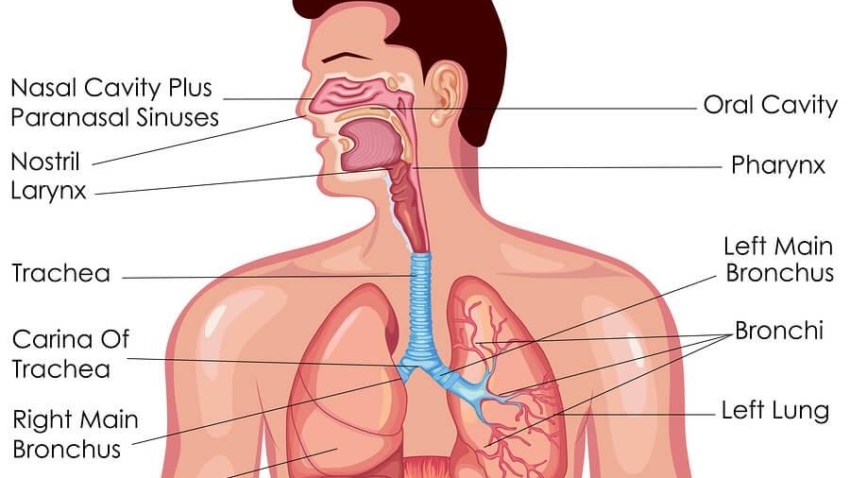
Anatomy of the Respiratory System


Major organs include:
1. Nose
- Filters dust
- Warms air
- Moisturizes inhaled air
2. Pharynx
Acts as a common passage for food and air.
3. Larynx
- Voice production
- Prevents food entering lungs
4. Trachea
The windpipe carries air into the lungs.
5. Bronchi
Right and left bronchi divide into smaller bronchioles.
6. Bronchioles
Tiny airways controlling airflow.
7. Alveoli
Tiny air sacs where oxygen and carbon dioxide exchange occurs.
8. Lungs
The body’s primary respiratory organs.
9. Diaphragm
Main breathing muscle responsible for inhalation.
History of Respiratory Physiology
| Year | Event |
|---|---|
| Ancient Greece | Early theories about breathing |
| 1543 | Detailed lung anatomy published by Andreas Vesalius |
| 1628 | William Harvey explained blood circulation |
| 1774 | Oxygen discovered by Joseph Priestley |
| 1800s | Modern respiratory physiology developed |
| 1895 | Chest X-rays introduced |
| 1928 | Iron lung developed |
| 1950s | Mechanical ventilators improved |
| 2020 | COVID-19 increased respiratory research worldwide |
How Breathing Works
Breathing occurs in two stages.
Inspiration
- Diaphragm contracts
- Chest expands
- Air enters lungs
Expiration
- Diaphragm relaxes
- Chest contracts
- Air leaves lungs
Gas exchange occurs in the alveoli.
Respiratory Physiology Process
- Air enters nose
- Air passes through pharynx
- Larynx
- Trachea
- Bronchi
- Bronchioles
- Alveoli
- Oxygen enters blood
- Carbon dioxide exits blood
- Air expelled
Common Respiratory Diseases


1. Asthma
Symptoms:
- Wheezing
- Shortness of breath
- Chest tightness
- Night cough
2. Pneumonia
Caused by:
- Bacteria
- Viruses
- Fungi
Symptoms:
- Fever
- Chest pain
- Productive cough
3. Tuberculosis (TB)
A bacterial disease affecting lungs.
Symptoms:
- Persistent cough
- Weight loss
- Fever
- Night sweats
4. COPD
Usually caused by smoking.
Symptoms:
- Chronic cough
- Breathlessness
- Excess mucus
5. Lung Cancer
Risk factors include:
- Smoking
- Air pollution
- Occupational exposure
- Genetics
6. COVID-19
A viral respiratory infection affecting millions globally.
7. Bronchitis
Inflammation of bronchial tubes.
8. Pulmonary Fibrosis
Scarring of lung tissue causing breathing difficulty.
Causes of Respiratory Diseases
Common causes include:
- Smoking
- Air pollution
- Dust exposure
- Viral infections
- Bacterial infections
- Allergies
- Genetics
- Occupational hazards
- Indoor smoke
- Climate change
Symptoms
- Breathlessness
- Persistent cough
- Chest pain
- Wheezing
- Fever
- Fatigue
- Cyanosis
- Fast breathing
- Bloody sputum
Diagnosis
Doctors may recommend:
- Chest X-ray
- CT Scan
- MRI
- Spirometry
- Peak Flow Meter
- Pulse Oximeter
- Blood Tests
- Bronchoscopy
- Sputum Examination
- Lung Biopsy
Treatment
Treatment depends on disease.
Common options include:
- Antibiotics
- Antiviral medicines
- Bronchodilators
- Steroids
- Oxygen therapy
- Pulmonary rehabilitation
- Surgery
- Mechanical ventilation
- Lung transplantation
Approximate Treatment Costs (India)
| Treatment | Estimated Cost |
|---|---|
| Consultation | ₹300–₹1,500 |
| Chest X-ray | ₹300–₹800 |
| Spirometry | ₹500–₹2,000 |
| CT Chest | ₹2,500–₹8,000 |
| Asthma medicines/month | ₹500–₹3,000 |
| Pneumonia treatment | ₹5,000–₹50,000 |
| TB treatment (government programs) | Often free |
| ICU ventilation/day | ₹10,000–₹50,000+ |
| Lung surgery | ₹1,50,000–₹6,00,000+ |
| Lung transplant | ₹20–40 lakh+ |
Costs vary by hospital, city, and patient condition.
Prevention
- Don’t smoke
- Exercise regularly
- Eat nutritious food
- Drink enough water
- Wash hands frequently
- Wear masks in polluted environments
- Avoid allergens
- Get recommended vaccinations
- Practice breathing exercises
- Improve indoor ventilation
Importance for Students
Students should understand respiratory physiology because it:
- Builds a strong foundation in biology.
- Helps prepare for medical entrance exams.
- Supports nursing and allied health education.
- Promotes healthy lifestyle choices.
- Increases awareness of environmental health.
- Improves understanding of emergency care.
Significance to Society
Respiratory health is essential because:
- Healthy lungs support productive lives.
- Preventive care reduces healthcare costs.
- Awareness lowers disease burden.
- Vaccination limits outbreaks.
- Cleaner air benefits communities.
- Early diagnosis improves survival.
Daily Life Impact
Healthy lungs help people:
- Walk comfortably
- Play sports
- Study effectively
- Sleep better
- Work efficiently
- Travel without difficulty
- Enjoy a better quality of life
Poor respiratory health can limit everyday activities and increase the risk of hospitalization.
Important Facts
- Adults breathe about 12–20 times per minute at rest.
- The lungs contain roughly 300 million alveoli.
- Oxygen is essential for cellular energy production.
- Smoking remains one of the leading preventable causes of lung disease.
- Regular exercise can improve lung efficiency.
- Air pollution contributes to many respiratory illnesses.
Timeline of Respiratory Health Awareness
- Ancient era: Early observations about breathing.
- 16th century: Modern anatomical studies.
- 18th century: Discovery of oxygen.
- 19th century: Advances in respiratory physiology.
- 20th century: X-rays, ventilators, antibiotics, and pulmonary medicine expanded.
- 21st century: Increased focus on air quality, vaccination, and respiratory research.
Observance Days
Several observances promote respiratory health:
- World Asthma Day (first Tuesday of May)
- World No Tobacco Day (31 May)
- World Lung Day (25 September)
- World Pneumonia Day (12 November)
- World COPD Day (third Wednesday of November)
- World Tuberculosis Day (24 March)
These campaigns encourage prevention, early diagnosis, and public education.
Important Examination Points
- Functions of alveoli
- Mechanism of inspiration and expiration
- Gas exchange
- Lung volumes and capacities
- Spirometry interpretation
- Common respiratory diseases
- Smoking-related lung disorders
- Oxygen transport
- Acid-base balance
- Preventive strategies
Wishes and Awareness Messages
Here are a few positive messages to encourage respiratory health:
- “Breathe clean, live healthy, and inspire others to protect their lungs.”
- “Healthy lungs are the foundation of a healthy life.”
- “Choose fresh air over smoke for a brighter future.”
- “Take care of every breath—it supports every moment of life.”
Review Section
Overall Rating: ⭐⭐⭐⭐⭐ (5/5)
Educational Value
★★★★★
Comprehensive coverage of respiratory anatomy, physiology, diseases, prevention, and public health.
Student Friendliness
★★★★★
Presented in a logical, easy-to-understand format suitable for school, nursing, and medical learners.
Practical Usefulness
★★★★★
Includes disease overview, treatment options, prevention tips, approximate costs, and daily life relevance.
Strengths
- Covers both normal physiology and diseases.
- Includes history, timeline, costs, and awareness.
- Useful for competitive exam preparation.
- Emphasizes prevention and healthy habits.
Areas to Explore Further
Students may also study pulmonary function tests, critical care ventilation, occupational lung diseases, and advances in respiratory medicine.
Frequently Asked Questions (FAQs)
1. What is respiratory physiology?
It is the study of how the respiratory system functions to exchange oxygen and carbon dioxide.
2. What is the main function of the lungs?
To supply oxygen to the blood and remove carbon dioxide.
3. What are alveoli?
Tiny air sacs where gas exchange occurs.
4. Which disease is most commonly associated with smoking?
COPD and lung cancer are strongly associated with long-term smoking.
5. Can respiratory diseases be prevented?
Many can be prevented through vaccination, avoiding tobacco, reducing pollution exposure, hand hygiene, and healthy living.
6. Why is spirometry important?
It measures lung function and helps diagnose conditions such as asthma and COPD.
7. What are common symptoms of respiratory disease?
Persistent cough, breathlessness, wheezing, chest pain, and fever.
8. How does exercise benefit the lungs?
Regular physical activity strengthens respiratory muscles and improves overall lung efficiency.
Conclusion
Respiratory physiology forms the basis for understanding one of the body’s most essential systems. Healthy lungs provide the oxygen needed for every organ to function effectively, while respiratory diseases can significantly affect quality of life if left untreated. Learning about the anatomy of the respiratory system, the process of breathing, common diseases, prevention strategies, and available treatments equips students and the public with knowledge that supports healthier choices and earlier medical care.
Protecting respiratory health is not only an individual responsibility but also a societal one. Reducing smoking, improving air quality, promoting vaccinations, and encouraging healthy lifestyles can decrease the burden of respiratory diseases worldwide. Every breath matters, and investing in lung health today contributes to a healthier, more productive future for individuals and communities alike.






Leave a Reply