


15 Essential Facts About the Central Nervous System (CNS): The Ultimate Guide to Brain and Spinal Cord Health
Central Nervous System (CNS): The Complete Student-Friendly Guide


Introduction
The Central Nervous System (CNS) is one of the most important systems in the human body. It acts as the body’s command center, controlling movement, thoughts, emotions, memory, learning, breathing, heartbeat, and countless other essential functions. Without a healthy CNS, everyday activities such as walking, speaking, studying, remembering, or even blinking would not be possible.
The CNS consists of two primary organs:
- Brain
- Spinal Cord
Together, these structures receive information from the body, process it, and send appropriate responses. Whether you’re a school student, medical aspirant, nursing student, or healthcare professional, understanding the Central Nervous System is fundamental to learning human biology and medicine.
What is the Central Nervous System (CNS)?
The Central Nervous System (CNS) is the main processing center of the human nervous system. It receives sensory information from different parts of the body, processes it, and coordinates appropriate responses.
The CNS works alongside the Peripheral Nervous System (PNS), which connects the brain and spinal cord to the rest of the body.
Main Components of the CNS
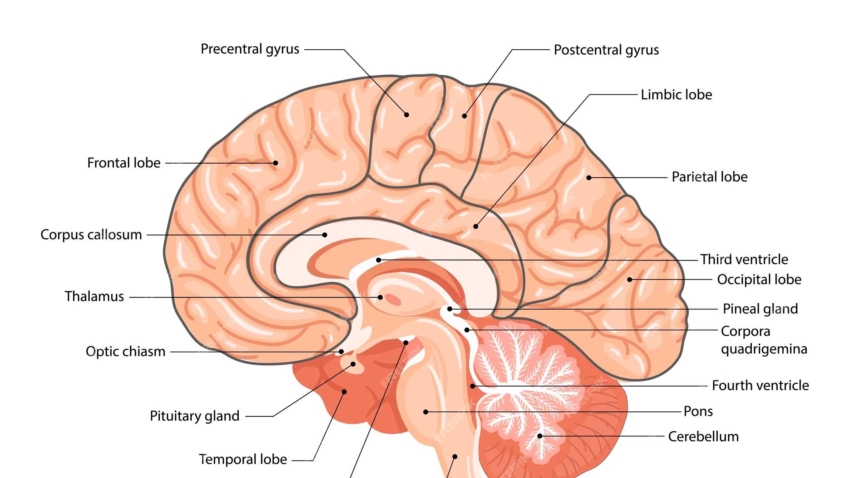
1. Brain
The brain weighs approximately 1.3–1.5 kilograms in adults and contains approximately 86 billion neurons.
Major parts include:
- Cerebrum
- Cerebellum
- Brainstem
- Thalamus
- Hypothalamus
Functions:
- Thinking
- Intelligence
- Speech
- Learning
- Memory
- Vision
- Hearing
- Emotions
- Decision-making
2. Spinal Cord
The spinal cord extends from the brainstem down through the vertebral column.
Functions include:
- Carrying messages between brain and body
- Reflex actions
- Muscle coordination
- Sensory transmission
Structure of the CNS
The CNS is protected by multiple layers.
These include:
- Skull
- Vertebral column
- Meninges
- Cerebrospinal Fluid (CSF)
- Blood-Brain Barrier
These protective systems reduce injury risk and prevent infections.
Functions of the Central Nervous System
The CNS performs hundreds of functions.
Major ones include:
Sensory Processing
Receives information regarding:
- Pain
- Temperature
- Touch
- Vision
- Hearing
- Taste
- Smell
Motor Control
Controls:
- Walking
- Writing
- Running
- Speaking
- Facial expressions
Memory
Stores:
- Short-term memories
- Long-term memories
- Learning experiences
Intelligence
Responsible for:
- Problem-solving
- Creativity
- Logical reasoning
- Planning
Emotional Regulation
Controls emotions such as:
- Happiness
- Sadness
- Fear
- Anger
- Love
Automatic Body Functions
Controls:
- Heartbeat
- Breathing
- Digestion
- Blood pressure
- Sleep cycle
History of CNS Research
Understanding of the CNS has evolved over thousands of years.
Ancient Egypt
Around 3000 BCE, Egyptians documented brain injuries.
Ancient Greece
Hippocrates proposed that the brain was the center of intelligence.
Roman Era
Galen studied the nervous system using animal dissections.
Renaissance
Improved anatomical studies revealed detailed brain structures.
Modern Era
Advances include:
- MRI
- CT Scan
- Functional MRI
- Artificial Intelligence
- Neurosurgery
- Brain-computer interfaces
Timeline of CNS Discoveries
| Year | Discovery |
|---|---|
| 3000 BCE | Brain injuries documented |
| 460 BCE | Hippocrates studies brain |
| 150 CE | Galen’s nervous system research |
| 1664 | Brain anatomy improved |
| 1906 | Neuron theory recognized |
| 1970s | MRI developed |
| Present | AI-assisted neuroscience |
Interesting Facts About the CNS
- The brain uses nearly 20% of the body’s oxygen.
- It consumes around 20% of total body energy.
- The brain contains billions of neurons.
- Nerve impulses can travel over 100 meters per second.
- The brain never completely “shuts off” during sleep.
- Memory formation involves complex neural networks.
- The spinal cord contains millions of nerve fibers.
Common CNS Disorders
Some major diseases affecting the CNS include:
- Stroke
- Epilepsy
- Parkinson’s disease
- Alzheimer’s disease
- Multiple sclerosis
- Brain tumors
- Meningitis
- Encephalitis
- Spinal cord injury
- Cerebral palsy
Symptoms of CNS Disorders
Symptoms may include:
- Headache
- Weakness
- Paralysis
- Memory loss
- Difficulty speaking
- Vision problems
- Tremors
- Seizures
- Loss of balance
- Confusion
Diagnosis
Doctors may recommend:
- MRI
- CT Scan
- EEG
- Lumbar puncture
- Blood tests
- Nerve conduction studies
- Neurological examination
Treatment Options
Treatment depends on the condition.
Options include:
- Medicines
- Surgery
- Physiotherapy
- Occupational therapy
- Speech therapy
- Lifestyle modification
- Rehabilitation
- Psychological counseling
Approximate Treatment Costs (India)
| Treatment | Estimated Cost |
|---|---|
| Neurologist Consultation | ₹500–₹2,500 |
| MRI Brain | ₹3,000–₹12,000 |
| CT Scan | ₹2,000–₹8,000 |
| EEG | ₹1,500–₹5,000 |
| Brain Surgery | ₹2 lakh–₹10 lakh+ |
| Stroke Treatment | ₹50,000–₹5 lakh+ |
| Physiotherapy | ₹500–₹2,000/session |
Costs vary by city, hospital, and individual case.
Prevention Tips
Maintain CNS health by:
- Eating nutritious food
- Exercising regularly
- Sleeping 7–9 hours
- Wearing helmets and seat belts
- Avoiding smoking and excessive alcohol
- Managing blood pressure and diabetes
- Practicing stress management
- Staying mentally active
- Keeping vaccinations up to date
Importance of the CNS in Daily Life
Every activity depends on the CNS, including:
- Walking
- Talking
- Reading
- Writing
- Driving
- Studying
- Playing sports
- Cooking
- Remembering names
- Feeling emotions
- Making decisions
Without the CNS, coordinated life functions would not occur.
Importance for Students
Knowledge of the CNS helps students:
- Understand human anatomy
- Prepare for NEET and nursing exams
- Study psychology and neuroscience
- Learn reflexes and brain functions
- Build careers in medicine and allied health sciences
Significance to Society
The CNS is vital because it:
- Enables education and learning
- Supports innovation and creativity
- Helps diagnose neurological diseases
- Improves rehabilitation after injuries
- Advances neuroscience research
- Contributes to artificial intelligence and brain-computer technology
Important Points to Remember
- CNS consists of the brain and spinal cord.
- It controls voluntary and involuntary activities.
- Neurons are the functional units of the nervous system.
- The brain requires continuous oxygen and glucose.
- Early treatment improves outcomes for many neurological disorders.
- Healthy habits support lifelong brain health.
Review: Is Understanding the CNS Worth the Effort?
⭐⭐⭐⭐⭐ 5/5
Learning about the Central Nervous System is highly valuable for students, healthcare professionals, and anyone interested in understanding the human body. The CNS influences virtually every aspect of life—from movement and learning to emotions and survival. A strong grasp of CNS basics also helps in recognizing warning signs of neurological disorders early, which can improve treatment outcomes.
Pros:
- Essential for biology and medical education.
- Explains how the body and mind work together.
- Encourages healthy lifestyle choices for brain health.
- Helps identify symptoms of neurological diseases.
Cons:
- Some topics, such as neuroanatomy and neural pathways, can be complex for beginners.
- Advanced neuroscience requires deeper study and practical understanding.
Overall, the CNS is one of the most fascinating and important topics in human anatomy, making it a worthwhile subject for learners at every level.
Frequently Asked Questions (FAQs)
1. What does CNS stand for?
CNS stands for Central Nervous System.
2. What organs make up the CNS?
The CNS consists of the brain and the spinal cord.
3. What is the main function of the CNS?
It processes information and controls the body’s responses, movement, thoughts, emotions, and automatic functions.
4. What is the difference between the CNS and PNS?
The CNS is the processing center (brain and spinal cord), while the Peripheral Nervous System connects the CNS to the rest of the body.
5. Can CNS disorders be treated?
Many CNS disorders can be managed with medications, surgery, rehabilitation, and lifestyle changes, though outcomes vary by condition.
6. How can I keep my CNS healthy?
Eat a balanced diet, exercise, sleep well, protect your head and spine, avoid tobacco and excessive alcohol, and manage chronic health conditions.
Wishing Message
Wishing everyone a healthy mind, a strong nervous system, and a life filled with knowledge, wellness, and happiness. May you always take care of your brain and spinal cord—the remarkable command center of your body.
Conclusion
The Central Nervous System (CNS) is the body’s master control center, responsible for coordinating nearly every action, thought, and sensation. From enabling movement and memory to regulating breathing and heartbeat, the CNS is essential for survival and quality of life. Understanding its structure, functions, disorders, and preventive care empowers students and the public to appreciate the importance of neurological health. By adopting healthy habits, seeking timely medical attention for concerning symptoms, and continuing to learn about the nervous system, we can protect one of the most extraordinary systems in the human body for years to come.







Leave a Reply