


9 Amazing Reasons to Choose BDS at Manipal University: Fees, Hostel, Admission & Honest 2026 Review
BDS at Manipal University: Fees, Hostel, Admission & Honest 2026 Review


Introduction
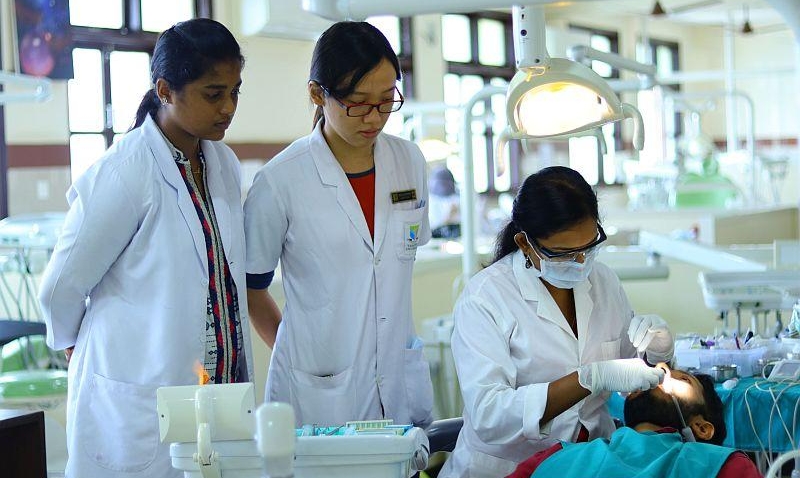
If you aspire to become a skilled dentist, BDS at Manipal University is one of India’s most respected private dental programs. Offered by the Manipal College of Dental Sciences (MCODS), the course combines academic excellence, modern laboratories, advanced clinical exposure, and experienced faculty.
One principle every future dentist should remember is:
Always talk to the patient first.
Before examining teeth or recommending treatment, listen carefully to the patient’s concerns, medical history, symptoms, fears, and expectations. Effective communication builds trust and leads to better treatment outcomes.
History
The Manipal Academy of Higher Education (MAHE) has been a pioneer in higher education for decades. The Manipal College of Dental Sciences was established in 1965 and has grown into one of India’s leading dental institutions, producing thousands of successful dentists practicing across the world.
Timeline
| Year | Milestone |
|---|---|
| 1953 | Manipal educational movement begins |
| 1965 | Manipal College of Dental Sciences established |
| 1993 | MAHE gains Deemed-to-be University status |
| 2000s | Expansion of advanced dental specialties |
| 2020s | Continued global recognition and research growth |
Course Overview
- Course: Bachelor of Dental Surgery (BDS)
- Duration: 5 years (4 academic years + 1 year compulsory internship)
- Admission: NEET-UG qualification followed by counseling/admission process
- Medium: English
- Internship: Mandatory clinical internship
Eligibility
Students generally need to:
- Pass Class 12 with Physics, Chemistry, Biology, and English.
- Qualify NEET-UG.
- Meet the university’s admission requirements.
Tuition Fees
The tuition fee varies depending on the admission category and academic year. Students should always verify the latest fee schedule before admission.
Official fee schedules are available through MAHE’s admissions portal. (Manipal)
Hostel Fees
Students can choose different hostel options based on room type and facilities.
Approximate first-year options include:
| Room Type | Approximate Annual Cost (including applicable hostel components) |
|---|---|
| Double Sharing Non-AC | ₹1.48–1.56 lakh |
| Double Sharing AC | ₹1.95–1.97 lakh |
These totals generally include hostel facilities, mess advance, refundable deposits, and applicable utility advances depending on the room selected. (Manipal)
Accommodation
Students may choose:
- University hostel
- Paying Guest (PG)
- Shared apartments
- Private rented accommodation
Living in the university hostel is generally recommended during the first year because of convenience, security, and easy access to classes and clinics.
Other Student Expenses
Students should also budget for:
- Dental instruments
- White coats
- Clinical kits
- Textbooks
- Laptop
- Internet
- Examination fees
- Personal expenses
- Travel
Student Life
Campus life includes:
- Modern simulation laboratories
- Clinical practice
- Sports facilities
- Student clubs
- Cultural festivals
- Community dental camps
- Research activities
Scholarships
Students may be eligible for:
- Merit scholarships
- Government scholarships
- Category-based financial assistance
- Educational loans from banks
Availability depends on eligibility and prevailing university policies. (Manipal)
Career Opportunities
After completing BDS, graduates can pursue:
- General Dental Practice
- MDS (Master of Dental Surgery)
- Cosmetic Dentistry
- Orthodontics
- Oral Surgery
- Implantology
- Public Health Dentistry
- Teaching
- Research
- Hospital Dentistry
Why “Always Talk to the Patient First” Matters
Successful dentists don’t simply fix teeth—they understand people.
Good communication helps:
- Build patient confidence
- Reduce dental anxiety
- Improve diagnosis
- Explain treatment plans
- Increase treatment success
- Improve patient satisfaction
Important Facts
- One of India’s oldest private dental colleges.
- Strong clinical exposure.
- Modern dental laboratories.
- International collaborations.
- Active research environment.
- Recognized dental degree.
Significance to Society
Dentists contribute by:
- Preventing oral diseases
- Improving oral hygiene awareness
- Treating dental infections
- Restoring smiles and confidence
- Supporting overall health, as oral health is closely linked with general health
Honest Review
⭐ Overall Rating: 4.7/5
Pros
- Excellent infrastructure
- Experienced faculty
- Strong clinical exposure
- Good campus life
- Modern laboratories
- Active student community
Cons
- Higher tuition and living costs than many government dental colleges
- Competitive academic environment
- Hostel expenses can be substantial depending on room choice
FAQs
Is NEET compulsory for BDS at Manipal University?
Yes, NEET-UG qualification is required for admission under current regulations.
Is hostel compulsory?
No, but many first-year students choose university hostels for convenience.
Are scholarships available?
Yes, scholarships and financial aid options are available for eligible students. (Manipal)
Can students pursue MDS after BDS?
Yes. After completing BDS and the compulsory internship, graduates can appear for relevant entrance examinations for MDS.
Wishing Future Dentists
Best wishes on your journey toward becoming a compassionate and skilled dental professional. Remember that every smile you restore can improve a person’s confidence and quality of life. Stay curious, continue learning, and always place patient care at the center of your profession.
Daily Life Impact
Dentists play an essential role in preventing disease, relieving pain, restoring oral function, and promoting healthy lifestyles. By educating patients and delivering quality care, they contribute significantly to healthier communities.
Conclusion
Choosing BDS at Manipal University is an investment in a rewarding healthcare career. The university offers excellent infrastructure, comprehensive clinical training, experienced faculty, and a vibrant campus environment. Although the tuition and hostel costs are higher than those of government dental colleges, many students value the quality of education, research opportunities, and clinical exposure. Most importantly, every aspiring dentist should remember the timeless principle: always talk to the patient first, because empathy and communication are just as important as clinical expertise.





Leave a Reply