


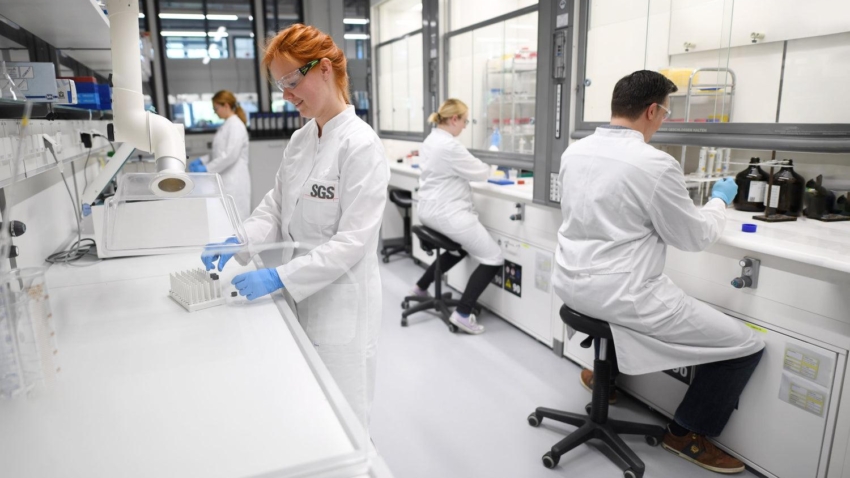
12 Powerful SGS Facts: The Ultimate Honest Review, History, Costs & Complete Guide
SGS: Complete Guide, History, Costs, Services, Review & Everything You Need to Know


In today’s interconnected world, trust is essential. Whether you’re buying food, taking medicine, driving a car, using electronics, or constructing a building, you expect products and services to be safe, reliable, and compliant with regulations. Behind this confidence are organizations that inspect, test, verify, and certify products before they reach consumers. One of the world’s most respected companies in this field is SGS.
SGS is a global leader in testing, inspection, and certification (TIC) services. With operations spanning more than a century, the company supports industries including agriculture, food, healthcare, pharmaceuticals, consumer goods, energy, mining, construction, transportation, and environmental services. Its work helps businesses meet international standards while protecting consumers and the environment.
This comprehensive guide explores everything about SGS, including its history, services, costs, timeline, review, facts, significance, frequently asked questions, and the important role it plays in our daily lives.
What is SGS?
SGS is a multinational company specializing in testing, inspection, verification, and certification services. Headquartered in Geneva, Switzerland, SGS operates one of the largest laboratory and inspection networks in the world.
The company’s mission is to help organizations improve quality, safety, sustainability, and compliance through independent scientific analysis and professional auditing.
Its core service areas include:
- Laboratory testing
- Product inspection
- Certification
- Quality assurance
- Food safety testing
- Pharmaceutical analysis
- Environmental testing
- Consumer product testing
- Industrial inspections
- Sustainability and ESG verification
SGS works with governments, manufacturers, healthcare organizations, exporters, importers, and businesses across nearly every major industry.
History of SGS
SGS was founded in 1878 in Rouen, France, by Henri Goldstuck. The company originally focused on inspecting grain shipments to verify their quantity and quality before export.
As global trade expanded, SGS broadened its expertise to include inspection services for agricultural commodities, minerals, petroleum, industrial products, and manufactured goods.
During the twentieth century, SGS grew rapidly through international expansion, technological innovation, and acquisitions. It developed advanced laboratory capabilities and became a recognized authority in testing and certification.
Today, SGS is headquartered in Switzerland and operates thousands of offices and laboratories worldwide, serving customers in more than 100 countries.
SGS Timeline
| Year | Milestone |
|---|---|
| 1878 | SGS founded in Rouen, France |
| Early 1900s | Expansion into international commodity inspection |
| 1950s | Growth of laboratory testing services |
| 1980s | Global expansion across multiple industries |
| 2000s | Increased focus on certification and sustainability |
| 2020 | Expanded healthcare and COVID-19 testing services |
| Present | Global leader in testing, inspection, and certification |
SGS Services
SGS offers one of the broadest service portfolios in the testing and certification industry.
1. Laboratory Testing
SGS laboratories analyze samples for safety, quality, contamination, composition, and regulatory compliance.
2. Inspection Services
Independent inspections verify products, industrial equipment, shipments, and manufacturing processes.
3. Certification
Organizations receive certification demonstrating compliance with international standards such as ISO management systems.
4. Food Safety
Testing helps detect pathogens, allergens, contaminants, pesticide residues, and nutritional accuracy.
5. Pharmaceutical Services
Medicines are tested for quality, stability, purity, and regulatory compliance.
6. Environmental Testing
Water, air, soil, and industrial emissions are analyzed to support environmental protection.
7. Consumer Product Testing
Electronics, textiles, toys, furniture, and household products undergo testing before reaching consumers.
8. Sustainability Services
SGS assists organizations in measuring environmental, social, and governance (ESG) performance.
Average Costs of SGS Services
Costs vary depending on the industry, project complexity, and testing requirements.
| Service | Estimated Cost |
|---|---|
| Basic Laboratory Testing | $100–$500 |
| Food Testing | $150–$1,000 |
| Water Analysis | $50–$500 |
| Product Certification | $1,000–$20,000+ |
| Pharmaceutical Testing | $500–$10,000+ |
| Environmental Testing | $200–$3,000 |
| ISO Certification Audits | Project-specific |
Large industrial inspections, certification programs, and regulatory projects are typically priced through customized quotations.
Interesting Facts About SGS
- Founded in 1878, making it one of the oldest inspection companies in the world.
- Headquartered in Geneva, Switzerland.
- Operates thousands of laboratories and offices globally.
- Serves clients in more than 100 countries.
- Employs over 95,000 professionals worldwide.
- Provides services across nearly every major industry.
- Plays a significant role in international trade by verifying product quality and compliance.
⭐ SGS Review
Overall Rating: 4.9/5
Pros
✔ Global reputation for quality and independence
✔ Extensive international laboratory network
✔ Broad range of testing and certification services
✔ Highly experienced scientific and technical experts
✔ Strong regulatory knowledge
✔ Supports businesses of all sizes
✔ Trusted by governments and multinational companies
Cons
- Specialized services can be costly for small businesses.
- Certification processes may take time depending on complexity.
- Availability of certain specialized services may vary by region.
Final Review
SGS is widely regarded as one of the world’s leading providers of testing, inspection, and certification services. Its long history, global presence, and commitment to quality make it a trusted partner for organizations operating in highly regulated industries. Businesses seeking reliable compliance support, laboratory analysis, or certification services often consider SGS a benchmark for professional excellence.
Importance of SGS
SGS contributes to public health, consumer confidence, environmental protection, and international trade by ensuring products and processes meet recognized standards.
Its work helps:
- Protect consumers from unsafe products.
- Improve food and pharmaceutical safety.
- Support fair international trade.
- Promote environmental responsibility.
- Encourage business transparency.
- Strengthen manufacturing quality.
Without independent verification organizations like SGS, maintaining trust in global supply chains would be much more difficult.
Daily Life Impact
Although most consumers never directly interact with SGS, its work affects everyday life in countless ways.
Examples include:
- Safe packaged foods
- Reliable drinking water
- Quality medicines
- Certified electronics
- Safe toys and children’s products
- Building safety inspections
- Cleaner environmental practices
These behind-the-scenes activities help create confidence in the products and services people use daily.
Significance to Society
SGS plays an essential role in supporting sustainable economic growth and public safety.
Its contributions include:
- Protecting public health
- Supporting regulatory compliance
- Encouraging innovation
- Improving product quality
- Strengthening global trade
- Promoting environmental sustainability
- Enhancing consumer confidence
Independent testing and certification also encourage businesses to maintain high standards and continuously improve their operations.
Observance
SGS is not associated with any official holiday or observance. However, its mission aligns with several international awareness events, including:
- World Health Day
- World Food Safety Day
- World Environment Day
- World Standards Day
- National Science Day (India)
These occasions emphasize the importance of science, quality, safety, and sustainability.
Wishing Message
“Wishing continued success to scientists, inspectors, engineers, laboratory professionals, and quality experts around the world. May your dedication to safety, innovation, and scientific excellence continue to build a healthier, safer, and more sustainable future for everyone.”
Important Points
- Founded in 1878
- Headquartered in Geneva, Switzerland
- Global leader in testing, inspection, and certification
- Operates in more than 100 countries
- Serves nearly every major industry
- Supports public health and consumer safety
- Promotes sustainability and quality assurance
- Trusted by governments and multinational organizations
Frequently Asked Questions (FAQs)
What does SGS do?
SGS provides testing, inspection, verification, certification, laboratory analysis, auditing, and quality assurance services across numerous industries.
Where is SGS headquartered?
SGS is headquartered in Geneva, Switzerland.
What industries does SGS serve?
The company supports industries including pharmaceuticals, healthcare, food, agriculture, mining, energy, manufacturing, construction, transportation, consumer goods, and environmental services.
Does SGS manufacture products?
No. SGS primarily provides independent testing, inspection, certification, and verification services rather than manufacturing products.
Why is SGS certification important?
SGS certification demonstrates that products, processes, or management systems comply with recognized international standards, helping organizations build trust with customers and regulators.
How much do SGS services cost?
Costs vary depending on the scope of testing, certification requirements, industry, project size, and applicable regulations. Customized quotations are typically provided.
Tips for Organizations Working with SGS
- Clearly define your testing or certification objectives.
- Prepare all required technical documentation before submission.
- Understand applicable regulatory requirements.
- Allow sufficient time for inspections and laboratory analysis.
- Maintain open communication throughout the certification process.
- Implement recommended improvements after audits to support ongoing compliance.
Conclusion
SGS has grown from a grain inspection business founded in 1878 into one of the world’s leading providers of testing, inspection, verification, and certification services. Through its extensive global network of laboratories, inspectors, auditors, and technical experts, the company supports industries that are essential to public health, environmental protection, manufacturing quality, and international trade.
Although much of its work takes place behind the scenes, SGS has a significant impact on everyday life. From helping ensure the safety of food, medicines, consumer products, and infrastructure to supporting businesses in meeting international standards, the company contributes to a safer and more reliable world.
As technology advances and global regulations continue to evolve, the need for independent testing and certification remains critical. SGS continues to play a key role in fostering trust, promoting quality, encouraging sustainability, and supporting innovation across industries. Its long-standing commitment to scientific excellence and integrity demonstrates how independent verification can benefit businesses, consumers, and society as a whole.







Leave a Reply