


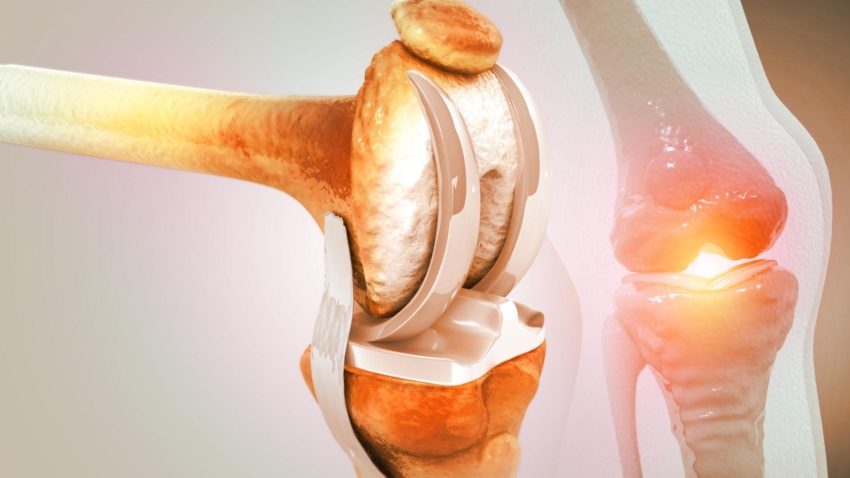
15 Powerful Facts About Osteoarthritis: The Complete & Hopeful Guide to Treatment Costs, Best Hospitals & Doctors (2026 Review)
Osteoarthritis: The Complete & Hopeful Guide to Treatment Costs, Best Hospitals & Doctors


Introduction
Osteoarthritis (OA) is the most common form of arthritis and one of the leading causes of chronic joint pain and disability worldwide. It develops gradually as the protective cartilage that cushions the ends of bones wears down over time. As cartilage deteriorates, bones begin to rub against each other, leading to pain, stiffness, swelling, and reduced mobility.
Although osteoarthritis is more common in older adults, it can also affect younger individuals due to joint injuries, obesity, repetitive stress, or genetic factors. While there is currently no permanent cure that restores damaged cartilage completely, modern treatments—including lifestyle modifications, medications, physiotherapy, injections, and joint replacement surgery—can effectively relieve symptoms and improve quality of life.
This comprehensive guide explains everything about osteoarthritis, including its history, causes, symptoms, diagnosis, treatment options, estimated costs, best hospitals, leading doctors, prevention, timeline, FAQs, significance, review, and its impact on everyday life and society.
What Is Osteoarthritis?
Osteoarthritis is a chronic degenerative joint disease in which the cartilage that cushions the joints gradually breaks down. As cartilage becomes thinner, the bones may rub together, causing pain and inflammation. Bone spurs (osteophytes) may also develop around affected joints.
The condition most commonly affects:
- Knees
- Hips
- Hands
- Spine
- Feet
- Shoulders (less commonly)
Osteoarthritis develops slowly and usually worsens over time if not managed appropriately.
History of Osteoarthritis
Joint degeneration has been recognized throughout human history.
Timeline
- Ancient Egypt: Skeletal remains show evidence of osteoarthritis.
- Ancient Greece: Hippocrates described joint disorders.
- 1800s: Physicians began distinguishing osteoarthritis from inflammatory arthritis.
- 1960s: Modern joint replacement surgery became widely available.
- 1980s–2000s: Advances in arthroscopy, imaging, and rehabilitation improved treatment outcomes.
- Today: Robotic-assisted joint replacement, minimally invasive surgery, and personalized rehabilitation continue to improve patient care.
Causes
Several factors contribute to osteoarthritis, including:
- Aging
- Joint injuries
- Obesity
- Repetitive joint stress
- Family history
- Congenital joint abnormalities
- Previous fractures
- Muscle weakness
- Poor joint alignment
Symptoms
Symptoms usually develop gradually.
Common symptoms include:
- Joint pain
- Morning stiffness
- Swelling
- Reduced range of motion
- Grinding or cracking sensation (crepitus)
- Tenderness
- Difficulty walking
- Joint instability in advanced disease
Pain often worsens after physical activity and improves with rest during the earlier stages.
Risk Factors
People are more likely to develop osteoarthritis if they:
- Are older adults
- Are overweight or obese
- Have previous joint injuries
- Perform repetitive physical work
- Have a family history of osteoarthritis
- Have weak muscles supporting the joints
- Participate in high-impact sports without adequate joint protection
Diagnosis
Doctors diagnose osteoarthritis using:
- Medical history
- Physical examination
- X-rays
- MRI (selected cases)
- Blood tests (to exclude other conditions)
- Joint fluid analysis (when necessary)
Diagnosis helps determine the severity and guide treatment planning.
Treatment Options
Although osteoarthritis cannot usually be completely cured, treatment effectively reduces pain, improves movement, and enhances quality of life.
Lifestyle Changes
Recommended measures include:
- Weight management
- Regular low-impact exercise
- Physiotherapy
- Muscle strengthening
- Joint protection techniques
- Healthy diet
Medications
Doctors may prescribe:
- Paracetamol
- Ibuprofen
- Naproxen
- Topical pain-relieving gels
- Intra-articular corticosteroid injections (selected patients)
Medication choice depends on symptom severity and the patient’s overall health.
Surgery
When conservative treatment is no longer effective, surgery may be considered.
Common procedures include:
- Arthroscopy (selected cases)
- Osteotomy
- Partial joint replacement
- Total knee replacement
- Total hip replacement
Joint replacement often provides excellent long-term pain relief and improved mobility for suitable candidates.
Estimated Treatment Costs
Costs vary depending on disease severity, treatment type, hospital, and location.
| Service | Approximate Cost (India) |
|---|---|
| Orthopedic Consultation | ₹700–₹2,500 |
| X-ray | ₹500–₹1,500 |
| MRI | ₹5,000–₹15,000 |
| Physiotherapy (per session) | ₹500–₹2,000 |
| Pain Medications | ₹300–₹3,000+ per month |
| Joint Injections | ₹5,000–₹30,000+ |
| Total Knee Replacement | ₹2–₹5 lakh |
| Total Hip Replacement | ₹2.5–₹6 lakh |
Actual expenses vary depending on implant type, surgeon, rehabilitation needs, and hospital facilities.
Best Hospitals for Osteoarthritis Treatment


Several hospitals in India are recognized for orthopedic surgery and joint replacement:
- All India Institute of Medical Sciences
- Apollo Hospitals
- Medanta – The Medicity
- Fortis Memorial Research Institute
- Max Super Speciality Hospital
- Narayana Health
- Kokilaben Dhirubhai Ambani Hospital
These centers provide orthopedic surgery, joint preservation, robotic joint replacement, rehabilitation, pain management, and physiotherapy.
Leading Doctors (Examples)
Some respected orthopedic specialists in India include:
- Ashok Rajgopal
- Sanjay Desai
- IPS Oberoi
The most suitable orthopedic surgeon depends on the affected joint, disease severity, location, and individual treatment needs.
Prevention
Although aging cannot be prevented, the risk of osteoarthritis can be reduced by:
- Maintaining a healthy body weight.
- Exercising regularly.
- Strengthening muscles around joints.
- Avoiding repetitive joint strain.
- Using proper posture.
- Preventing sports injuries.
- Wearing supportive footwear.
- Seeking early treatment for joint injuries.
Interesting Facts
- Osteoarthritis is the most common type of arthritis.
- Knees are among the most frequently affected joints.
- Weight loss significantly reduces stress on weight-bearing joints.
- Regular exercise helps improve flexibility and reduce pain.
- Modern joint replacement surgery has high success rates in appropriate candidates.
Timeline of Osteoarthritis Care
| Period | Major Development |
|---|---|
| Ancient Egypt | Evidence found in skeletons |
| Ancient Greece | Joint diseases documented |
| 1800s | Osteoarthritis distinguished from other arthritis types |
| 1960s | Modern joint replacement introduced |
| 2000s | Minimally invasive surgery expanded |
| Today | Robotic-assisted joint replacement and advanced rehabilitation |
Significance
Understanding osteoarthritis is important because it:
- Promotes early diagnosis.
- Encourages healthy aging.
- Reduces disability.
- Supports active lifestyles.
- Improves quality of life.
- Helps preserve joint function.
Importance in Daily Life
Managing osteoarthritis effectively helps people:
- Walk comfortably.
- Stay independent.
- Sleep better.
- Continue working.
- Participate in family activities.
- Maintain emotional well-being.
Importance to Society
Osteoarthritis awareness benefits society by:
- Reducing disability.
- Encouraging physical activity.
- Supporting healthy aging.
- Lowering healthcare costs.
- Improving workplace productivity.
Review
Review of Modern Osteoarthritis Management
The treatment of osteoarthritis has advanced remarkably through better pain management, physiotherapy, minimally invasive procedures, and highly successful joint replacement surgery. Although damaged cartilage cannot usually be fully restored, individualized treatment plans can greatly reduce pain, improve mobility, and help patients return to normal activities. Early diagnosis, weight management, and regular exercise remain the foundation of effective long-term care.
Overall Informational Rating: ⭐⭐⭐⭐⭐ (5/5) for the effectiveness of modern evidence-based osteoarthritis management and joint replacement surgery in appropriate patients.
Important Points
- Osteoarthritis is the most common form of arthritis.
- Maintaining a healthy weight reduces joint stress.
- Exercise is one of the best non-drug treatments.
- Physiotherapy improves strength and flexibility.
- Pain should not be ignored.
- Joint replacement surgery can dramatically improve quality of life in advanced cases.
- Early treatment helps preserve mobility.
- Regular follow-up with an orthopedic specialist is important.
Frequently Asked Questions (FAQs)
1. Can osteoarthritis be cured?
There is currently no permanent cure, but treatments can effectively relieve pain, improve function, and slow progression.
2. Is osteoarthritis only an age-related disease?
No. Although age is a major risk factor, younger people may develop osteoarthritis after joint injuries, obesity, or repetitive stress.
3. Is exercise safe?
Yes. Low-impact exercises such as walking, swimming, and cycling are generally beneficial when performed appropriately.
4. When is surgery recommended?
Joint replacement is usually considered when severe pain and disability persist despite conservative treatment.
5. Can weight loss help?
Yes. Even modest weight loss can significantly reduce pressure on the knees and hips.
6. Which joints are most commonly affected?
The knees, hips, hands, and spine are among the most frequently affected joints.
Wishing Message
“Wishing everyone healthy joints, pain-free movement, and an active, fulfilling life. May early diagnosis, proper treatment, regular exercise, and healthy habits help every individual living with osteoarthritis enjoy greater comfort, mobility, and independence.”
Conclusion
Osteoarthritis is one of the most common chronic joint disorders, affecting millions of people worldwide. While it is a progressive condition, modern medical care—including physiotherapy, medications, lifestyle modifications, and advanced joint replacement surgery—has made it possible for many individuals to maintain mobility and live active, independent lives. Early diagnosis, healthy weight management, regular exercise, and personalized treatment plans play a critical role in reducing pain and slowing disease progression.
Greater public awareness, access to quality orthopedic care, and encouragement of healthy lifestyles can reduce the burden of osteoarthritis on individuals and society. By combining preventive measures with evidence-based treatment, patients, healthcare professionals, and communities can work together to improve joint health, preserve independence, and enhance quality of life for people of all ages.








Leave a Reply