


15 Powerful Facts About Prostate Cancer: The Ultimate & Hopeful Guide to Treatment Costs, Best Hospitals & Doctors (2026 Review)
Prostate Cancer: The Ultimate & Hopeful Guide to Treatment Costs, Best Hospitals & Doctors


Introduction
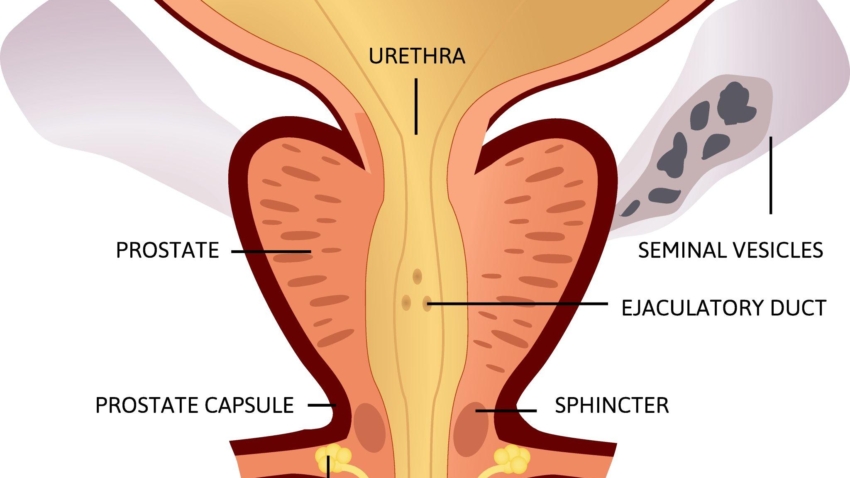
Prostate Cancer is one of the most commonly diagnosed cancers in men worldwide. It develops in the prostate gland, a small walnut-shaped organ located below the bladder that produces seminal fluid. While many prostate cancers grow slowly and may not cause serious problems for years, some forms are more aggressive and require prompt treatment.
Advances in medical technology, including early screening, robotic-assisted surgery, precision radiation therapy, hormone therapy, chemotherapy, targeted therapy, and newer imaging techniques, have significantly improved survival and quality of life. Many men diagnosed with localized prostate cancer can be successfully treated or managed for many years.
This comprehensive guide explains everything about prostate cancer, including its history, causes, symptoms, diagnosis, treatment options, estimated costs, best hospitals, leading doctors, prevention, timeline, FAQs, significance, review, and its impact on daily life and society.
What Is Prostate Cancer?
Prostate cancer begins when cells in the prostate gland undergo genetic changes and grow uncontrollably. These abnormal cells may form a tumor that remains confined to the prostate or spreads to nearby tissues, lymph nodes, or distant organs such as bones.
Most prostate cancers are adenocarcinomas, which develop from the glandular cells of the prostate.
Depending on the stage and aggressiveness, treatment may range from active surveillance to surgery, radiation therapy, hormone therapy, chemotherapy, targeted therapy, or combinations of these approaches.
History of Prostate Cancer
The understanding of prostate diseases has evolved significantly over time.
Timeline
- Ancient Era: Early physicians described urinary problems related to prostate enlargement, although prostate cancer was not clearly identified.
- 1853: Prostate cancer was first described as a distinct disease.
- 1940s: Hormone therapy revolutionized prostate cancer treatment.
- 1980s: Prostate-Specific Antigen (PSA) Test became widely used for early detection.
- 2000s: Robotic-assisted prostate surgery became increasingly common.
- 2010s–Present: Precision imaging, genetic testing, targeted therapy, and advanced hormone treatments improved patient outcomes.
Causes
The exact cause of prostate cancer is not fully understood, but several risk factors increase the likelihood of developing the disease.
Common risk factors include:
- Increasing age
- Family history of prostate cancer
- Inherited genetic mutations (such as BRCA1 and BRCA2)
- African ancestry (higher risk in some populations)
- Obesity
- Diet high in processed foods and saturated fats
- Smoking (associated with worse outcomes)
Symptoms
Early-stage prostate cancer often causes no symptoms.
As the disease progresses, symptoms may include:
- Frequent urination
- Difficulty starting urination
- Weak urine flow
- Blood in the urine
- Blood in semen
- Painful urination
- Pelvic discomfort
- Erectile dysfunction
- Bone pain (in advanced disease)
These symptoms can also occur with non-cancerous prostate conditions, so medical evaluation is important.
Risk Factors
People may have a higher risk if they:
- Are over 50 years of age
- Have a father or brother with prostate cancer
- Carry inherited genetic mutations
- Are overweight or obese
- Have unhealthy dietary habits
Diagnosis
Doctors may recommend:
- Medical history and physical examination
- Digital rectal examination (DRE)
- PSA blood test
- Multiparametric MRI
- Prostate biopsy
- CT scan
- Bone scan
- PET-CT (selected cases)
- Genetic testing in appropriate patients
These tests help determine the stage, aggressiveness, and best treatment strategy.
Treatment Options
Treatment depends on the stage, Gleason score (Grade Group), PSA level, overall health, and patient preferences.
Active Surveillance
Men with very low-risk or low-risk prostate cancer may be monitored closely without immediate treatment.
Surgery
Surgical options include:
- Radical prostatectomy
- Robotic-assisted prostatectomy
- Pelvic lymph node dissection
Radiation Therapy
Radiation options include:
- External beam radiation therapy (EBRT)
- Brachytherapy (internal radiation)
Hormone Therapy
Hormone therapy lowers testosterone levels to slow cancer growth.
Examples include:
- Leuprolide
- Goserelin
Chemotherapy
Chemotherapy may be recommended for advanced or metastatic disease.
Examples include:
- Docetaxel
- Cabazitaxel
Targeted Therapy
Some patients with inherited genetic mutations may benefit from targeted medicines such as:
- Olaparib
Treatment is individualized and often managed by a multidisciplinary team.
Estimated Treatment Costs
Treatment costs vary according to stage, hospital, technology, and medications.
| Service | Approximate Cost (India) |
|---|---|
| Urologist Consultation | ₹800–₹3,000 |
| PSA Test | ₹500–₹2,000 |
| MRI Prostate | ₹8,000–₹20,000 |
| Prostate Biopsy | ₹15,000–₹40,000 |
| Robotic Prostate Surgery | ₹3–₹8 lakh |
| Radiation Therapy | ₹2–₹6 lakh |
| Hormone Therapy | ₹5,000–₹60,000+ per month |
| Chemotherapy (per cycle) | ₹20,000–₹2 lakh+ |
| Targeted Therapy | ₹80,000–₹4 lakh+ per month |
Actual expenses vary depending on the hospital, treatment duration, insurance coverage, and patient-specific needs.
Best Hospitals for Prostate Cancer Treatment


Several hospitals in India are recognized for advanced prostate cancer care:
- Tata Memorial Centre
- All India Institute of Medical Sciences
- Apollo Cancer Centres
- Medanta – The Medicity
- Fortis Memorial Research Institute
- Max Super Speciality Hospital
- Rajiv Gandhi Cancer Institute and Research Centre
These centers provide urologic oncology, robotic surgery, radiation oncology, medical oncology, pathology, imaging, rehabilitation, and survivorship programs.
Leading Doctors (Examples)
Some respected specialists in India include:
- Anant Kumar
- Rajeev Sood
- Arvind Kumar
The most suitable specialist depends on the stage of disease, the need for surgery or systemic therapy, and the patient’s overall health.
Prevention
Although prostate cancer cannot always be prevented, healthy habits may help lower risk:
- Maintain a healthy weight.
- Exercise regularly.
- Eat a diet rich in fruits, vegetables, and whole grains.
- Limit processed foods and excessive saturated fat.
- Avoid smoking.
- Discuss PSA screening with a healthcare provider based on age, family history, and individual risk.
Interesting Facts
- Prostate cancer is one of the most common cancers in men.
- Many prostate cancers grow slowly and may not require immediate treatment.
- Early-stage disease often has an excellent prognosis.
- PSA testing has improved early detection, though screening decisions should be individualized.
- Robotic-assisted surgery is widely used in specialized centers.
Timeline of Prostate Cancer Care
| Period | Major Development |
|---|---|
| 1853 | Prostate cancer described as a distinct disease |
| 1940s | Hormone therapy introduced |
| 1980s | PSA testing became widely available |
| 2000s | Robotic prostate surgery expanded |
| Today | Precision medicine and advanced imaging guide personalized treatment |
Significance
Understanding prostate cancer is important because it:
- Encourages early detection.
- Supports informed screening decisions.
- Improves survival through timely treatment.
- Promotes men’s health awareness.
- Advances cancer research.
- Encourages healthy aging.
Importance in Daily Life
Prostate cancer awareness helps men:
- Recognize urinary symptoms.
- Seek timely medical advice.
- Make informed decisions about screening.
- Maintain healthy lifestyle habits.
- Support loved ones through treatment and recovery.
Importance to Society
Greater awareness benefits society by:
- Promoting men’s preventive healthcare.
- Encouraging early diagnosis.
- Supporting cancer research.
- Improving access to specialized care.
- Reducing the burden of advanced disease.
Review
Review of Modern Prostate Cancer Care
Modern prostate cancer management has evolved significantly with advances in PSA testing, multiparametric MRI, robotic-assisted surgery, precision radiation therapy, hormone therapy, targeted therapy, and personalized treatment planning. Many men with localized prostate cancer experience excellent long-term outcomes, while those with advanced disease now have more treatment options than ever before. Multidisciplinary care and shared decision-making are key to achieving the best possible results.
Overall Informational Rating: ⭐⭐⭐⭐⭐ (5/5) for the remarkable progress in early detection, individualized treatment, and long-term survivorship care.
Important Points
- Prostate cancer is one of the most common cancers in men.
- Many cases are slow-growing and may be managed with active surveillance.
- PSA testing can aid early detection but should be discussed with a healthcare provider.
- Robotic-assisted surgery is an established treatment option in many specialized centers.
- Hormone therapy plays an important role in advanced disease.
- Healthy lifestyle habits support overall well-being during and after treatment.
- Regular follow-up is essential for monitoring recovery and recurrence.
Frequently Asked Questions (FAQs)
1. Can prostate cancer be cured?
Many localized prostate cancers can be treated successfully with surgery or radiation therapy. Outcomes depend on the stage, grade, and response to treatment.
2. Does every man with prostate cancer need surgery?
No. Some men with low-risk disease may be candidates for active surveillance, while others benefit from radiation, hormone therapy, surgery, or a combination of treatments.
3. What is the PSA test?
The PSA test measures the level of prostate-specific antigen in the blood. Elevated levels can occur with prostate cancer as well as non-cancerous prostate conditions, so results must be interpreted by a healthcare professional.
4. Is prostate cancer hereditary?
Some cases are linked to inherited genetic mutations or a strong family history, but many occur without a known hereditary cause.
5. Can younger men develop prostate cancer?
It is uncommon but possible. The risk increases significantly with age.
6. Can lifestyle changes reduce risk?
Maintaining a healthy weight, staying physically active, eating a balanced diet, and avoiding smoking may contribute to overall prostate health, although they cannot completely prevent prostate cancer.
Wishing Message
“Wishing every man good health, strength, and peace of mind. May awareness, timely screening, early diagnosis, advanced medical care, and the support of family and friends lead to healthier lives and brighter futures for everyone affected by prostate cancer.”
Conclusion
Prostate cancer is one of the most common cancers affecting men, yet it is also one of the most manageable when detected early. Advances in PSA testing, imaging, robotic-assisted surgery, radiation therapy, hormone therapy, chemotherapy, targeted therapy, and personalized medicine have greatly improved survival and quality of life. Early diagnosis, informed treatment decisions, and regular follow-up remain essential for achieving the best outcomes.
Increasing awareness about prostate health, encouraging appropriate screening for those at risk, supporting ongoing research, and ensuring access to specialized cancer care can significantly reduce the impact of this disease. Through education, healthy lifestyle choices, compassionate care, and continued scientific innovation, individuals, families, healthcare professionals, and communities can work together to improve outcomes and offer hope to people living with prostate cancer.









Leave a Reply