


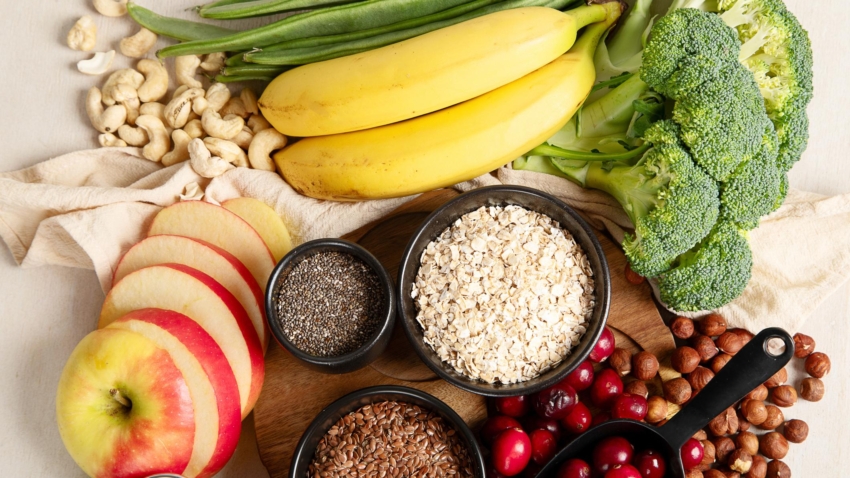
15 Powerful Benefits of Prioritizing fiber: The Ultimate Guide for Better Health


Prioritizing fiber: The Complete Guide to Better Health and Wellness
Prioritizing fiber: Fiber is often called the unsung hero of healthy nutrition. While proteins, vitamins, and carbohydrates usually receive most of the attention, fiber quietly supports nearly every major system in the human body. From improving digestion to protecting your heart and maintaining healthy blood sugar levels, prioritizing fiber is one of the simplest yet most effective lifestyle changes you can make.
Many people unknowingly consume far less fiber than recommended. Modern diets filled with processed foods have significantly reduced daily fiber intake, leading to digestive issues, obesity, diabetes, and cardiovascular diseases. By making fiber-rich foods a regular part of your meals, you invest in long-term health, energy, and disease prevention.
This comprehensive guide explores everything about prioritizing fiber, including its history, importance, benefits, timeline, food sources, costs, interesting facts, FAQs, significance, observance, review, and daily life impact.
What Does It Mean to Prioritize Fiber?
Prioritizing fiber means consciously choosing foods naturally rich in dietary fiber every day. Fiber is a type of carbohydrate that the body cannot digest completely. Instead of being broken down like sugars or starches, fiber moves through the digestive tract, supporting healthy digestion and feeding beneficial gut bacteria.
There are two major types of dietary fiber:
Soluble Fiber
- Dissolves in water
- Helps lower cholesterol
- Controls blood sugar
- Supports heart health
- Found in oats, beans, apples, citrus fruits, and barley
Insoluble Fiber
- Adds bulk to stool
- Prevents constipation
- Promotes regular bowel movements
- Supports colon health
- Found in whole grains, vegetables, nuts, and seeds
Both forms are essential for maintaining optimal health.
History of Dietary Fiber
The importance of fiber became widely recognized during the 20th century.
Ancient Times
Traditional civilizations naturally consumed high-fiber diets through fruits, vegetables, legumes, and whole grains.
1800s
Industrial food processing removed bran and fiber from grains, making refined flour increasingly popular.
1970s
Researchers began linking low-fiber diets with chronic diseases such as colon cancer, heart disease, and diabetes.
Modern Era
Today, nutrition experts around the world recommend increasing dietary fiber as one of the easiest ways to improve public health.
Timeline of Fiber Awareness
| Year | Milestone |
|---|---|
| Ancient Civilizations | Natural high-fiber diets were common |
| 1800s | Refined grains became widespread |
| 1950s | Increase in processed foods |
| 1970s | Scientific studies highlighted fiber’s importance |
| 1990s | Dietary guidelines emphasized whole grains |
| 2000s | Gut microbiome research expanded |
| Today | Fiber recognized as essential for disease prevention |
Recommended Daily Fiber Intake
Health organizations generally recommend:
- Women (19–50 years): 25 grams/day
- Men (19–50 years): 38 grams/day
- Women (51+): 21 grams/day
- Men (51+): 30 grams/day
Unfortunately, many adults consume only 15–18 grams daily.
Best High-Fiber Foods
Fruits
- Apples
- Pears
- Bananas
- Oranges
- Raspberries
Vegetables
- Broccoli
- Carrots
- Spinach
- Brussels sprouts
- Sweet potatoes
Whole Grains
- Oats
- Brown rice
- Whole wheat
- Quinoa
- Barley
Legumes
- Lentils
- Chickpeas
- Kidney beans
- Black beans
- Green peas
Nuts and Seeds
- Almonds
- Chia seeds
- Flaxseeds
- Pumpkin seeds
- Walnuts
Health Benefits of Prioritizing Fiber
Improves Digestion
Fiber keeps bowel movements regular and prevents constipation.
Supports Heart Health
Soluble fiber helps reduce LDL (bad cholesterol), lowering the risk of heart disease.
Helps Control Blood Sugar
Fiber slows sugar absorption, reducing blood sugar spikes after meals.
Promotes Healthy Weight
High-fiber foods keep you fuller for longer, reducing unnecessary snacking.
Supports Gut Microbiome
Fiber feeds beneficial gut bacteria, improving digestive and immune health.
Reduces Risk of Colon Disease
Regular fiber intake may lower the risk of colorectal disorders.
Lowers Cholesterol
Soluble fiber binds cholesterol and helps remove it from the body.
Improves Immune Function
A healthy gut microbiome contributes to stronger immune defenses.
Supports Healthy Aging
Fiber-rich diets are associated with better longevity and lower chronic disease risk.
Approximate Cost of High-Fiber Foods (India)
| Food | Approximate Price |
|---|---|
| Oats (1 kg) | ₹180–₹350 |
| Brown Rice (1 kg) | ₹90–₹200 |
| Lentils (1 kg) | ₹120–₹220 |
| Chickpeas (1 kg) | ₹90–₹180 |
| Apples (1 kg) | ₹120–₹300 |
| Broccoli (500 g) | ₹80–₹180 |
| Chia Seeds (500 g) | ₹250–₹600 |
| Flaxseeds (500 g) | ₹80–₹200 |
A healthy high-fiber diet can be affordable by emphasizing seasonal fruits, vegetables, legumes, and whole grains.
Interesting Facts About Fiber
- Fiber contains no digestible calories.
- Gut bacteria ferment certain fibers into beneficial short-chain fatty acids.
- Whole fruits contain much more fiber than fruit juices.
- Beans are among the richest natural fiber sources.
- High-fiber diets may reduce inflammation.
- Fiber can help regulate appetite hormones.
- Most processed foods contain very little fiber.
- Increasing fiber intake should be accompanied by adequate water consumption.
Why Fiber Matters in Daily Life
Adding fiber to daily meals can make everyday life healthier by:
- Improving digestive comfort
- Enhancing energy levels
- Reducing unhealthy cravings
- Supporting stable blood sugar
- Helping maintain a healthy weight
- Improving long-term heart health
- Encouraging healthier eating habits
Small daily choices, such as replacing white bread with whole-grain bread or adding beans to salads, can have lasting health benefits.
Importance of Fiber in Society
A population consuming adequate fiber may experience:
- Lower healthcare costs
- Reduced rates of obesity
- Fewer cases of diabetes
- Improved cardiovascular health
- Better digestive health
- Increased productivity through improved overall wellness
Public health campaigns increasingly emphasize fiber as part of balanced nutrition.
Significance of Prioritizing Fiber
Fiber is significant because it:
- Supports multiple body systems simultaneously
- Helps prevent lifestyle diseases
- Encourages healthy eating habits
- Nourishes beneficial gut bacteria
- Promotes longevity and quality of life
Its benefits extend beyond digestion to metabolic, cardiovascular, and immune health.
Observance and Awareness
While there is no universally recognized annual observance dedicated solely to dietary fiber, nutrition awareness campaigns, healthy eating initiatives, and wellness programs worldwide often promote increasing fiber intake as part of balanced diets and chronic disease prevention.
Individuals can observe healthy eating by:
- Including vegetables in every meal
- Choosing whole grains instead of refined grains
- Eating fresh fruits daily
- Drinking enough water
- Limiting highly processed foods
Wishing Messages About Healthy Eating
Here are a few encouraging wishes you can share:
- “Wishing you a healthy life filled with nourishing meals and better choices every day.”
- “May every meal bring you strength, wellness, and happiness.”
- “Here’s to a healthier future—one fiber-rich meal at a time!”
- “Stay healthy, eat smart, and let every bite support your well-being.”
Important Points to Remember
- Aim for the recommended daily fiber intake based on your age and sex.
- Increase fiber gradually to avoid digestive discomfort.
- Drink plenty of water as you increase fiber.
- Eat a variety of fiber-rich foods for balanced nutrition.
- Limit refined and ultra-processed foods.
- Include fruits, vegetables, legumes, and whole grains every day.
Review: Is Prioritizing Fiber Worth It?
Overall Rating: ★★★★★ (5/5)
Pros
- Supports digestive health
- Promotes heart health
- Helps manage weight
- Stabilizes blood sugar
- Affordable with common whole foods
- Benefits the gut microbiome
- Easy to incorporate into daily meals
Cons
- Increasing intake too quickly may cause temporary bloating or gas.
- Adequate hydration is necessary for fiber to work effectively.
- Some processed “high-fiber” products may contain added sugars or excessive sodium, so reading labels is important.
Verdict: Prioritizing fiber is one of the most evidence-based and cost-effective dietary strategies for improving overall health. With thoughtful food choices and gradual dietary changes, most people can enjoy its long-term benefits.
Frequently Asked Questions (FAQs)
1. What is dietary fiber?
Dietary fiber is a type of carbohydrate found in plant foods that is not fully digested by the human body.
2. Why is fiber important?
It supports digestion, heart health, blood sugar control, and gut health.
3. How much fiber should adults consume?
Most adults should aim for approximately 25–38 grams per day, depending on age and sex.
4. Can too much fiber be harmful?
A sudden increase without enough fluids may cause bloating, gas, or constipation. Gradually increasing intake and drinking adequate water can help.
5. Which foods are highest in fiber?
Beans, lentils, oats, whole grains, fruits, vegetables, nuts, and seeds are excellent sources.
6. Does cooking reduce fiber?
Cooking can soften plant foods but generally does not remove most of their fiber content.
7. Are fiber supplements necessary?
Whole foods are the preferred source of fiber because they also provide vitamins, minerals, and beneficial plant compounds. Supplements may be useful for some individuals under professional guidance.
8. Can children eat high-fiber foods?
Yes, age-appropriate amounts of fruits, vegetables, legumes, and whole grains are beneficial for children as part of a balanced diet.
Conclusion: The Daily Life Impact of Prioritizing Fiber
Prioritizing fiber is one of the simplest and most effective ways to improve long-term health. A diet rich in fruits, vegetables, legumes, whole grains, nuts, and seeds supports healthy digestion, protects the heart, stabilizes blood sugar, nourishes the gut microbiome, and helps maintain a healthy weight. Beyond individual benefits, widespread adoption of high-fiber eating habits can contribute to healthier communities and reduce the burden of chronic diseases.
By making small, consistent changes—such as choosing whole grains over refined grains, adding beans to meals, or enjoying fresh fruit as a snack—you can build a sustainable eating pattern that benefits your body every day. Prioritizing fiber is not just a dietary recommendation; it is a practical investment in lifelong wellness, vitality, and a healthier society.









Leave a Reply