


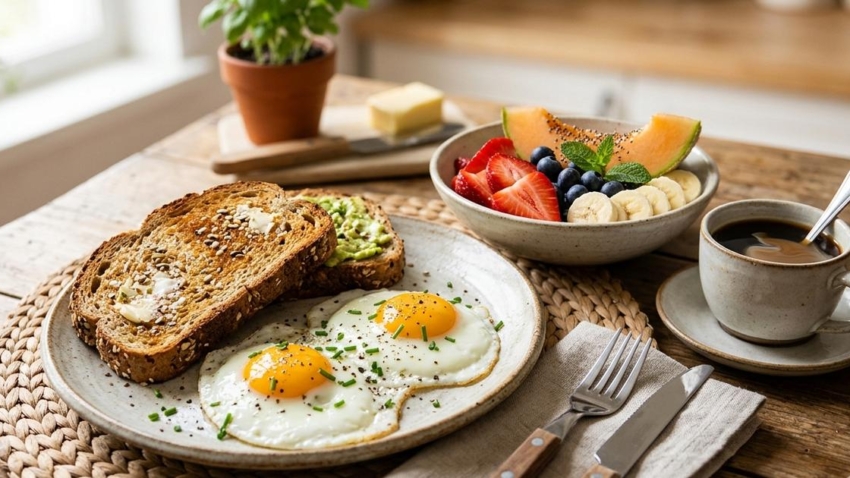
12 Powerful Benefits of Starting with Balanced Meals for a Healthier Diet (Complete Review & Guide)
Start with Balanced Meals: The Complete Guide to a Healthier Diet


Introduction
Balanced Meals: A healthy life begins with one simple habit—start with balanced meals. Every bite you eat provides your body with the energy, nutrients, and strength needed to perform daily activities. Whether you are a student, professional, athlete, parent, or senior citizen, choosing balanced meals can improve your physical health, mental well-being, and overall quality of life.
Modern lifestyles often encourage fast food, sugary snacks, and processed meals. While these foods may save time, they often fail to provide the essential nutrients your body requires. A balanced meal is not about dieting or avoiding your favorite foods. Instead, it is about eating the right combination of carbohydrates, proteins, healthy fats, vitamins, minerals, and fiber.
In this comprehensive guide, you’ll discover everything about balanced meals, including their history, significance, health benefits, facts, timeline, FAQs, review, and practical tips to build a healthier diet.
What Does “Start with Balanced Meals” Mean?
Starting with balanced meals means planning every meal so it contains the major nutrients your body needs.
A balanced meal generally includes:
- Fresh vegetables
- Fruits
- Whole grains
- Lean protein
- Healthy fats
- Dairy or healthy alternatives
- Plenty of water
Instead of focusing on calories alone, balanced meals emphasize nutritional quality.
History of Balanced Meals
The idea of balanced nutrition dates back thousands of years.
Ancient Civilizations
Ancient Egyptians, Greeks, Indians, and Chinese recognized that different foods affected health differently.
Traditional Indian Ayurveda recommended eating foods from different food groups according to body constitution and seasons.
1900s
Scientists discovered:
- Vitamins
- Minerals
- Protein requirements
- Calorie needs
Governments began issuing dietary recommendations.
1940s
Food guides introduced basic food groups to educate families after World War II.
1992
The Food Guide Pyramid became popular, encouraging balanced eating habits.
2011
The MyPlate model simplified nutrition by recommending:
- Half the plate fruits and vegetables
- One-quarter grains
- One-quarter protein
- Dairy on the side
Today, many countries have similar dietary guidelines adapted to local foods.
Timeline of Balanced Diet Development
| Year | Event |
|---|---|
| Ancient Times | Traditional balanced eating practices emerge |
| 1747 | Early nutrition experiments begin |
| Early 1900s | Vitamins discovered |
| 1940s | Food group recommendations introduced |
| 1992 | Food Guide Pyramid released |
| 2011 | MyPlate nutrition guide launched |
| Present | Personalized nutrition and balanced eating promoted globally |
Components of a Balanced Meal
1. Vegetables
Vegetables provide:
- Fiber
- Vitamins
- Minerals
- Antioxidants
Examples include:
- Spinach
- Broccoli
- Carrots
- Tomatoes
- Cucumber
2. Fruits
Fruits contain:
- Natural sugars
- Vitamin C
- Potassium
- Fiber
Examples:
- Apples
- Bananas
- Oranges
- Mangoes
- Berries
3. Whole Grains
Whole grains provide sustained energy.
Examples:
- Brown rice
- Oats
- Whole wheat
- Millet
- Quinoa
4. Lean Protein
Protein repairs muscles and tissues.
Examples:
- Eggs
- Chicken
- Fish
- Lentils
- Beans
- Soy products
5. Healthy Fats
Healthy fats support:
- Brain function
- Hormone production
- Heart health
Sources include:
- Nuts
- Seeds
- Olive oil
- Avocados
6. Dairy
Provides:
- Calcium
- Vitamin D
- Protein
Alternatives:
- Soy milk
- Almond milk
- Yogurt
Why Balanced Meals Matter
Balanced meals help:
- Maintain healthy body weight
- Improve digestion
- Reduce fatigue
- Increase concentration
- Strengthen immunity
- Improve heart health
- Build stronger bones
- Promote better sleep
Benefits of Starting with Balanced Meals
Better Energy
Nutritious foods release energy gradually.
Improved Brain Function
Healthy meals improve:
- Memory
- Concentration
- Productivity
Stronger Immunity
Vitamin-rich foods help fight infections.
Weight Management
Balanced meals reduce unnecessary snacking.
Healthy Heart
Less saturated fat and more fiber protect heart health.
Better Digestion
Fiber improves bowel movements.
Healthy Skin
Vitamins and antioxidants nourish skin naturally.
Strong Bones
Calcium and vitamin D strengthen bones.
Emotional Well-being
Nutritious diets are associated with improved mood and lower stress.
Long-Term Disease Prevention
Healthy eating lowers the risk of:
- Diabetes
- High blood pressure
- Obesity
- Heart disease
Interesting Facts
- The human body needs more than 40 nutrients daily.
- Colorful vegetables contain different antioxidants.
- Breakfast is often called the most important meal of the day.
- Water is considered an essential nutrient.
- Whole grains digest more slowly than refined grains.
- Fiber feeds beneficial gut bacteria.
- Healthy eating patterns matter more than occasional indulgences.
Importance in Our Daily Life
Balanced meals influence nearly every aspect of life.
They help:
- Students perform better academically.
- Employees stay productive.
- Athletes recover faster.
- Older adults maintain independence.
- Children grow and develop properly.
Healthy eating is not just about avoiding illness—it supports living an active, fulfilling life.
Importance to Society
Communities benefit when people eat healthier because it can:
- Reduce healthcare costs.
- Improve workplace productivity.
- Support child development.
- Encourage sustainable food choices.
- Promote healthier aging populations.
How to Build a Balanced Plate
A practical approach:
- Half your plate: Vegetables and fruits
- One-quarter: Whole grains
- One-quarter: Lean protein
- Add a small serving of healthy fats.
- Drink water instead of sugary beverages.
Foods to Limit
Although no food must be completely avoided, try to reduce:
- Sugary drinks
- Highly processed snacks
- Excess salt
- Trans fats
- Excessive added sugar
Moderation is key.
Common Mistakes
- Skipping breakfast
- Eating too quickly
- Ignoring portion sizes
- Drinking too little water
- Eating too few vegetables
- Relying on processed foods
- Following fad diets without medical guidance
Review: Is Starting with Balanced Meals Worth It?
⭐⭐⭐⭐⭐ Overall Rating: 5/5
Pros:
- Easy to adapt to different cuisines
- Supports overall health
- Improves energy
- Suitable for all age groups
- Encourages sustainable eating habits
Cons:
- Meal planning requires some effort.
- Fresh foods may cost more in some areas.
- Habits can take time to build.
Verdict:
Starting with balanced meals is one of the most effective and sustainable lifestyle changes you can make. Rather than following restrictive diets, it encourages lifelong healthy eating that benefits both body and mind.
Significance of Balanced Meals
Balanced meals represent more than nutrition. They symbolize:
- Self-care
- Disease prevention
- Family well-being
- Healthy communities
- Sustainable lifestyles
Good nutrition today lays the foundation for better health tomorrow.
Observance
Although balanced eating is a daily practice rather than a holiday, it is often promoted during:
- National Nutrition Week
- World Food Day
- School health campaigns
- Community wellness programs
- Workplace health initiatives
These observances encourage people to make healthier food choices.
Healthy Wishes
You can share these encouraging wishes with family and friends:
- “May every meal bring you strength, happiness, and good health.”
- “Wishing you a lifetime of healthy eating and joyful living.”
- “May your plate always be colorful, balanced, and nourishing.”
- “Eat well, stay active, and enjoy every healthy bite.”
- “Here’s to balanced meals and a healthier future.”
Frequently Asked Questions (FAQs)
1. What is a balanced meal?
A balanced meal includes vegetables, fruits, protein, whole grains, healthy fats, and adequate fluids in appropriate portions.
2. Why should I start with balanced meals?
Balanced meals provide the nutrients needed for energy, growth, immunity, and long-term health.
3. Can balanced meals help with weight management?
Yes. They can improve satiety and reduce overeating when paired with an active lifestyle.
4. Are balanced meals expensive?
Not necessarily. Seasonal produce, beans, lentils, whole grains, and locally available foods can make balanced eating affordable.
5. How many meals should I eat daily?
Meal frequency varies by individual. The focus should be on meeting nutritional needs and maintaining a pattern that suits your health and routine.
6. Can children follow balanced meals?
Yes. Balanced nutrition is essential for healthy growth and development in children.
7. Is it okay to enjoy treats?
Yes. Occasional treats can fit into a balanced diet when eaten in moderation.
8. Do I need supplements?
Many people can meet their nutrient needs through food, but supplements may be appropriate for some individuals based on medical advice.
Important Points to Remember
- Eat a variety of foods.
- Fill half your plate with fruits and vegetables.
- Choose whole grains more often.
- Include lean protein at each meal.
- Use healthy fats in moderation.
- Stay hydrated.
- Limit highly processed foods.
- Practice portion control.
- Plan meals ahead when possible.
- Aim for consistency rather than perfection.
Daily Life Impact
Starting with balanced meals can transform everyday life by improving energy, mood, focus, and resilience. Children may find it easier to learn, adults may feel more productive at work, and older adults may maintain better mobility and independence. Healthy eating habits also encourage families to spend quality time together over home-cooked meals, strengthening relationships while supporting long-term wellness.
Conclusion
Balanced Meals: Starting with balanced meals is one of the simplest yet most powerful steps toward a healthier diet and a healthier life. By combining fruits, vegetables, whole grains, lean proteins, healthy fats, and adequate hydration, you give your body the nutrients it needs to thrive. This approach supports physical health, mental clarity, disease prevention, and overall well-being without relying on restrictive diets.
Whether your goal is to feel more energetic, maintain a healthy weight, support your family, or simply enjoy nutritious food, balanced meals provide a practical and sustainable path forward. Small, consistent changes made today can lead to lasting benefits for you, your loved ones, and society as a whole. Make balanced eating a daily habit, and let every meal become an opportunity to invest in a healthier future.








Leave a Reply