


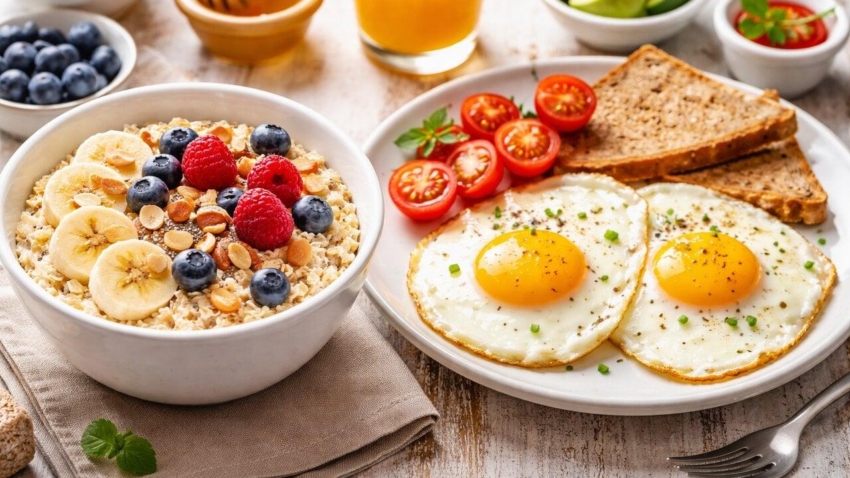
10 Powerful Reasons Don’t Skip Breakfast: The Ultimate Healthy Morning Habit Guide
Don’t Skip Breakfast: The Complete Guide to a Healthier and Happier Life


Introduction
Don’t Skip Breakfast: Breakfast is often called the most important meal of the day, and for good reason. After several hours of sleep, your body needs fresh energy to begin the day. A nutritious breakfast replenishes glucose levels, provides essential nutrients, and prepares your mind and body for work, school, exercise, and everyday activities.
Despite its importance, millions of people skip breakfast due to busy schedules, dieting, or simply not feeling hungry. While occasionally missing breakfast may not be harmful for everyone, regularly skipping it can negatively affect energy, concentration, mood, and overall health.
This comprehensive guide explores everything about Don’t Skip Breakfast, including its history, facts, timeline, importance, significance, health benefits, observance, review, FAQs, and its impact on society and daily life.
What Does “Don’t Skip Breakfast” Mean?
The phrase Don’t Skip Breakfast encourages people to eat a healthy meal shortly after waking up. The word breakfast literally means breaking the overnight fast.
A healthy breakfast usually includes:
- Whole grains
- Fruits
- Vegetables
- Dairy products
- Eggs or lean proteins
- Healthy fats
- Plenty of water
History of Breakfast
Breakfast has evolved over thousands of years.
Ancient Times
- Ancient Egyptians ate bread, onions, and beer in the morning.
- Greeks commonly enjoyed bread dipped in wine.
- Romans preferred light morning meals.
Middle Ages
Breakfast was mainly consumed by laborers, travelers, and children because they required energy for physical work.
18th and 19th Century
Breakfast became more structured with foods such as:
- Bread
- Butter
- Eggs
- Tea
- Coffee
- Porridge
Modern Era
The 20th century introduced cereals, packaged foods, smoothies, yogurt, and healthier breakfast alternatives focused on balanced nutrition.
Timeline of Breakfast
| Year | Event |
|---|---|
| Ancient Civilizations | Morning meals become common |
| Middle Ages | Breakfast accepted for workers |
| 1700s | Tea and bread become popular |
| 1800s | Oatmeal and porridge widely consumed |
| Late 1800s | Breakfast cereals introduced |
| 1900s | Nutrition science emphasizes breakfast |
| 2000s | Healthy breakfast campaigns increase |
| Present | Focus on balanced, nutrient-rich breakfasts |
Interesting Facts About Breakfast
- Breakfast literally means breaking the overnight fast.
- Your brain uses glucose as its primary fuel.
- Eating breakfast may improve concentration and memory.
- Children who eat breakfast often perform better academically.
- Healthy breakfasts can help meet daily vitamin and mineral needs.
- Whole grains provide long-lasting energy.
- Protein-rich breakfasts help maintain fullness longer.
- Fiber supports healthy digestion.
- Breakfast habits differ across cultures worldwide.
- Many athletes consider breakfast essential before training.
Why You Shouldn’t Skip Breakfast
Skipping breakfast regularly may lead to:
- Low energy
- Reduced concentration
- Mood swings
- Increased hunger later in the day
- Poor food choices
- Lower productivity
Eating breakfast helps maintain steady energy levels throughout the morning.
Importance of Breakfast in Our Life
Breakfast contributes to:
Better Brain Function
A healthy breakfast improves focus, learning, and memory.
Higher Energy Levels
Your body receives fuel after an overnight fast.
Better Mood
Eating in the morning may reduce irritability caused by hunger.
Improved Nutrition
Breakfast contributes important nutrients like:
- Calcium
- Iron
- Fiber
- Protein
- Vitamins A, C, and D
- B vitamins
Healthy Lifestyle
People who regularly eat breakfast often maintain healthier eating habits.
Health Benefits of Breakfast
Supports Heart Health
Whole grains, fruits, and healthy fats support cardiovascular wellness.
Helps Control Appetite
Balanced breakfasts reduce overeating later in the day.
Supports Weight Management
Many people find that a protein- and fiber-rich breakfast helps regulate hunger.
Improves Digestion
Fiber-rich foods encourage healthy bowel movements.
Boosts Immunity
Fruits and vegetables provide antioxidants and vitamins that support immune function.
Supports Muscle Health
Protein from eggs, dairy, nuts, or legumes helps maintain muscles.
Healthy Breakfast Ideas


Some nutritious breakfast options include:
- Oatmeal with fruits
- Vegetable omelet
- Whole wheat toast
- Yogurt with berries
- Poha
- Upma
- Idli with sambar
- Dalia
- Smoothies
- Peanut butter toast
- Fresh fruits
- Boiled eggs
- Sprouts salad
Foods to Avoid for Breakfast
Avoid excessive consumption of:
- Sugary cereals
- Sweet pastries
- Soft drinks
- Highly processed foods
- Deep-fried snacks
- Excessive sweets
Significance of Breakfast
Breakfast represents:
- Healthy living
- Balanced nutrition
- Daily discipline
- Family bonding
- Physical well-being
- Mental wellness
- Better productivity
It sets the tone for the rest of the day.
Observance
Although there is no universal “Breakfast Day” observed everywhere, nutrition professionals, schools, and public health organizations frequently encourage healthy breakfast habits through:
- School nutrition programs
- Workplace wellness initiatives
- Community health camps
- Nutrition awareness campaigns
- Family education programs
Important Points to Remember
- Never leave home hungry.
- Eat within a couple of hours after waking if it suits your routine.
- Include protein.
- Add fruits or vegetables.
- Drink enough water.
- Choose whole grains.
- Limit added sugar.
- Eat mindfully.
- Prepare breakfast in advance if mornings are busy.
- Make breakfast a family habit whenever possible.
Breakfast Around the World
Different cultures enjoy different breakfasts.
- India – Idli, dosa, poha, paratha, upma
- Japan – Rice, fish, miso soup
- United Kingdom – Eggs, beans, toast
- United States – Pancakes, eggs, oatmeal
- Mediterranean countries – Bread, olive oil, cheese, fruit
Despite these differences, balanced nutrition remains the key goal.
Common Myths About Breakfast
Myth 1: Everyone must eat immediately after waking.
Not necessarily. Meal timing can vary, but many people benefit from eating in the morning.
Myth 2: Coffee alone is breakfast.
Coffee does not provide the balanced nutrients your body needs.
Myth 3: Skipping breakfast always helps with weight loss.
Weight management depends on overall eating patterns, physical activity, and total calorie intake, not just whether breakfast is eaten.
Myth 4: Any breakfast is healthy.
Highly processed, sugar-rich breakfasts may not provide sustained energy.
Review: Is “Don’t Skip Breakfast” Good Advice?
Overall Rating: ⭐⭐⭐⭐⭐ (5/5)
Nutrition Value: ★★★★★
A balanced breakfast provides essential nutrients that many people struggle to get later in the day.
Energy Boost: ★★★★★
It helps many individuals stay energized throughout the morning.
Ease of Adoption: ★★★★☆
With some planning, healthy breakfasts can be quick and convenient.
Scientific Support: ★★★★☆
Many studies support the benefits of breakfast, though individual needs and eating patterns can differ.
Final Review:
For most children, students, working adults, and older adults, making time for a balanced breakfast is a practical and beneficial habit. The emphasis should be on the quality of the meal rather than simply eating anything in the morning.
Wishing Message
“Good morning! Start your day with a healthy breakfast, positive thoughts, and a grateful heart. May every sunrise bring you energy, happiness, and good health.”
Importance to Society
Breakfast contributes to healthier communities by:
- Supporting children’s learning and school performance.
- Helping workers stay productive.
- Encouraging family time at the table.
- Promoting healthier food choices.
- Reducing the burden of nutrition-related health issues through better dietary habits.
Healthy breakfast habits can have positive effects on education, workplaces, and public health.
Daily Life Impact
Making breakfast a regular part of your routine can:
- Increase morning energy.
- Improve concentration at work or school.
- Help regulate hunger.
- Support healthier eating throughout the day.
- Encourage consistent daily routines.
- Promote long-term well-being.
Even simple options like fruit with yogurt or whole-grain toast with eggs can make a meaningful difference.
Frequently Asked Questions (FAQs)
1. Why is breakfast important?
It provides energy after the overnight fast and supplies nutrients needed for physical and mental performance.
2. What is the healthiest breakfast?
A meal containing protein, whole grains, healthy fats, and fruits or vegetables is generally a good choice.
3. Can I skip breakfast if I’m not hungry?
Some people naturally prefer eating later. Focus on meeting your nutritional needs over the course of the day and choose an eating schedule that works for you.
4. Is breakfast important for students?
Yes. A nutritious breakfast is associated with improved attention, memory, and learning.
5. Can breakfast improve mood?
Many people feel more alert and less irritable after eating a balanced breakfast.
6. What should I drink with breakfast?
Water, milk, or unsweetened tea are healthy choices. Limit sugary beverages.
7. Are fruits enough for breakfast?
Fruit is nutritious, but pairing it with protein and whole grains creates a more balanced meal.
8. How much protein should breakfast include?
The ideal amount varies by age and activity level, but including a source such as eggs, yogurt, milk, legumes, or nuts can improve satiety.
Conclusion
The message “Don’t Skip Breakfast” is about more than simply eating in the morning—it encourages starting the day with nourishment, balance, and intention. A wholesome breakfast can support energy, concentration, mood, and overall nutrition while helping establish healthier daily routines.
Although individual preferences and medical conditions may influence meal timing, prioritizing a nutrient-rich breakfast is a beneficial habit for many people. By choosing wholesome foods and planning ahead, you can make breakfast an enjoyable part of your lifestyle and set a positive tone for the rest of the day.









Leave a Reply