


10 Powerful Ways to Make Gradual Changes for a Better Life: The Ultimate Positive Guide
Make Gradual Changes: A Complete Guide to Building Lasting Success


Introduction
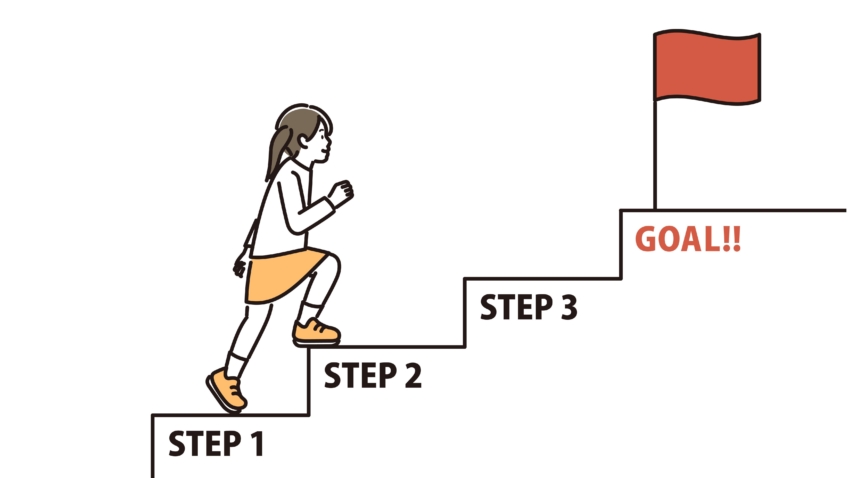
Making gradual changes is one of the most effective ways to improve your health, career, relationships, finances, and overall happiness. While many people dream of achieving instant success, the reality is that lasting transformation usually happens through small, consistent improvements over time.
Whether you want to lose weight, save money, improve your studies, develop healthier habits, or become more productive, gradual changes help create sustainable success without overwhelming your mind or body.
This article explains everything about making gradual changes, including its history, significance, facts, timeline, observance, daily life impacts, important points, FAQs, review section, and much more.
What Does “Make Gradual Changes” Mean?
Making gradual changes means improving your habits, routines, or lifestyle through small, manageable steps instead of making sudden, drastic changes.
Rather than trying to change everything overnight, gradual improvement focuses on consistency.
Examples include:
- Walking 10 minutes daily before running 5 km
- Saving ₹100 every week before investing larger amounts
- Reading 5 pages daily before finishing books regularly
- Reducing sugar intake little by little
- Learning one new skill each week
This approach reduces stress while increasing long-term success.
History of Gradual Change
The concept of gradual improvement has existed for thousands of years.
Ancient Times
Ancient philosophers believed wisdom and character develop slowly through discipline.
Many civilizations encouraged daily practice instead of instant perfection.
Middle Ages
Teachers, craftsmen, and artists trained apprentices for years before mastery.
Skills were built step by step.
Industrial Revolution
Factories introduced continuous improvement methods to increase productivity.
Workers learned that small improvements could produce significant long-term results.
Modern Era
Today, psychologists, educators, athletes, doctors, and business leaders recommend gradual habit-building because scientific research shows it leads to lasting behavioral change.
Timeline of Gradual Change
| Period | Development |
|---|---|
| Ancient Civilizations | Practice and discipline emphasized |
| Greek Philosophy | Daily self-improvement encouraged |
| Medieval Period | Apprenticeship learning |
| Industrial Revolution | Continuous improvement methods |
| 20th Century | Habit psychology expanded |
| 21st Century | Personal development and wellness movements popularized gradual improvement |
Interesting Facts About Gradual Changes
- Small habits often create massive long-term results.
- Tiny improvements reduce mental resistance.
- Gradual changes lower the chances of burnout.
- Successful athletes improve performance incrementally.
- Financial experts recommend small but consistent savings.
- Healthy eating becomes easier when changes happen slowly.
- Brain research shows repeated habits strengthen neural pathways.
- Daily consistency often beats occasional intense effort.
Why Gradual Changes Matter
Making gradual changes offers several important benefits:
- Builds confidence
- Reduces stress
- Improves consistency
- Encourages discipline
- Creates sustainable habits
- Minimizes failure
- Supports long-term success
- Promotes emotional well-being
Importance in Our Life
Gradual improvement affects nearly every area of life.
Physical Health
Small lifestyle adjustments improve:
- Weight management
- Heart health
- Energy
- Sleep quality
- Fitness
Mental Health
Slow improvements help reduce:
- Anxiety
- Stress
- Overwhelm
- Negative thinking
Education
Students benefit by:
- Studying regularly
- Improving memory
- Managing time better
- Reducing exam stress
Career
Professionals improve through:
- Learning new skills
- Better communication
- Consistent performance
- Professional growth
Financial Stability
Saving a little each month builds financial security over time.
Significance of Gradual Changes
Gradual change teaches patience, resilience, and discipline. Instead of chasing quick results, it encourages sustainable growth that benefits individuals, families, workplaces, and society.
This mindset promotes healthier communities by reducing stress and encouraging responsible decision-making.
Important Points
- Start small.
- Stay consistent.
- Track your progress.
- Celebrate small victories.
- Learn from setbacks.
- Focus on long-term goals.
- Avoid comparing yourself with others.
- Practice patience every day.
How to Make Gradual Changes Successfully
1. Set Clear Goals
Know exactly what you want to improve.
2. Break Big Goals into Small Steps
Large goals become manageable when divided into smaller tasks.
3. Build Daily Habits
Consistency is more powerful than intensity.
4. Monitor Progress
Use journals or habit trackers.
5. Reward Yourself
Celebrate milestones to stay motivated.
6. Stay Flexible
Adjust your plan when necessary.
7. Keep Learning
Read books, attend workshops, or seek guidance.
Benefits of Gradual Changes
- Better physical health
- Improved mental health
- Greater confidence
- Higher productivity
- Financial growth
- Stronger relationships
- Better academic performance
- Career advancement
- Sustainable lifestyle
- Long-term happiness
Daily Life Impacts
Making gradual changes influences everyday life positively.
At Home
Families experience healthier routines, better communication, and reduced stress.
At School
Students become more organized and productive.
At Work
Employees develop stronger professional skills.
In Society
Communities benefit from responsible, healthy, and productive individuals.
Observance
Although “Make Gradual Changes” is not an official international observance, its principles are commonly promoted during:
- New Year resolutions
- Wellness programs
- Health awareness campaigns
- Educational workshops
- Personal development seminars
- Workplace improvement initiatives
People observe these principles by setting realistic goals and making steady improvements throughout the year.
Wishing Messages
Here are some inspiring wishes:
- May every small step bring you closer to your dreams.
- Wishing you strength to embrace gradual progress every day.
- Success grows through patience and persistence.
- Keep improving one day at a time.
- Small changes today create a brighter tomorrow.
Review Section
Overall Rating: ⭐⭐⭐⭐⭐ (5/5)
Ease of Following: ⭐⭐⭐⭐⭐
Practical Value: ⭐⭐⭐⭐⭐
Scientific Support: ⭐⭐⭐⭐⭐
Long-Term Effectiveness: ⭐⭐⭐⭐⭐
Pros
- Easy to begin
- Sustainable
- Reduces stress
- Builds confidence
- Works for almost every goal
Cons
- Results may take time
- Requires patience
- Consistency is essential
Final Review:
Making gradual changes is one of the most practical and effective approaches to achieving lasting success. It minimizes overwhelm while maximizing long-term growth, making it suitable for people of all ages.
Frequently Asked Questions (FAQs)
1. What are gradual changes?
Gradual changes are small, consistent improvements made over time to achieve long-term goals.
2. Why are gradual changes better than sudden changes?
They are easier to maintain, reduce stress, and have a higher chance of becoming permanent habits.
3. How long does it take to see results?
The timeline varies depending on the goal, but consistent effort often produces noticeable improvements over weeks or months.
4. Can gradual changes improve health?
Yes. Small improvements in diet, exercise, and sleep can significantly enhance overall health.
5. Are gradual changes useful for students?
Absolutely. Regular study habits improve learning, memory, and academic performance.
6. Can businesses benefit from gradual improvements?
Yes. Continuous improvement increases productivity, quality, and customer satisfaction.
7. How do I stay motivated?
Track your progress, celebrate small achievements, and focus on consistency rather than perfection.
8. Is it okay to make mistakes?
Yes. Mistakes are part of the learning process. The key is to continue making progress.
Why Gradual Changes Are Important to Society
Societies thrive when individuals adopt sustainable habits. Gradual changes encourage healthier lifestyles, better education, stronger economies, and more responsible environmental practices. Small improvements by many people can collectively create significant positive change for communities and future generations.
Conclusion
Making gradual changes is a proven strategy for creating meaningful and lasting improvements in every aspect of life. Whether your goal is better health, stronger relationships, financial stability, academic success, or career growth, taking small, consistent steps is often more effective than attempting dramatic transformations overnight.
Remember that every significant achievement begins with a single step. By embracing patience, persistence, and continuous learning, you can build habits that lead to lifelong success. The journey may seem slow at times, but each positive action contributes to a stronger, healthier, and more fulfilling future. Start today with one small change, and let those small victories grow into remarkable accomplishments over time.









Leave a Reply