


15 Powerful Balanced Diet Tips Every Student Must Know for a Healthier and Successful Life
Eat a Balanced Diet: 15 Powerful Tips Every Student Must Know for Better Health and Academic Success


Introduction
A healthy body creates a healthy mind, and one of the simplest ways to achieve this is to eat a balanced diet. Whether you are a school student preparing for exams or a college student managing lectures, projects, and hostel life, your body and brain require proper nutrition to perform at their best.
Many students skip breakfast, depend on instant noodles, consume sugary drinks, or eat fast food regularly because of busy schedules. While these habits may seem convenient, they can reduce concentration, weaken immunity, increase fatigue, and affect academic performance.
A balanced diet provides essential nutrients that help students stay energetic, improve memory, maintain a healthy weight, strengthen immunity, and support long-term physical and mental health.
This comprehensive guide explains everything students need to know about eating a balanced diet, including history, costs, nutritional facts, meal planning, significance, daily life impact, FAQs, review, and practical tips.
What Does “Eat a Balanced Diet” Mean?
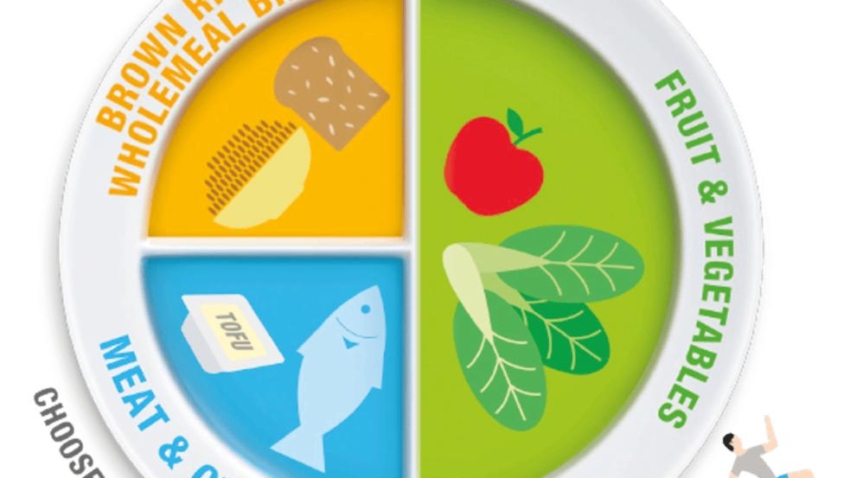
A balanced diet means consuming different types of foods in the right proportions to provide your body with all essential nutrients.
These nutrients include:
- Carbohydrates
- Proteins
- Healthy fats
- Vitamins
- Minerals
- Fiber
- Water
Every meal should ideally contain all these nutrients.
History of Balanced Diet
The idea of a balanced diet has existed for thousands of years.
Ancient Civilization
Ancient Indians believed food was medicine. Ayurveda emphasized consuming seasonal fruits, vegetables, grains, dairy, and herbs according to body type.
Ancient Greek physicians also recognized the relationship between food and health.
18th Century
Scientists discovered that different foods supplied different nutrients necessary for survival.
20th Century
Nutrition science advanced significantly.
Researchers discovered:
- Vitamins
- Minerals
- Protein requirements
- Food groups
- Calorie needs
Governments worldwide introduced food pyramids and dietary guidelines.
Today
Modern nutrition focuses on:
- Balanced meals
- Fresh foods
- Reduced processed foods
- Healthy fats
- Sustainable eating habits
Timeline of Balanced Diet
| Year | Event |
|---|---|
| Ancient India | Ayurveda promotes healthy eating |
| 400 BC | Hippocrates links food and health |
| 1747 | Vitamin deficiency research begins |
| Early 1900s | Vitamins discovered |
| 1940s | Recommended Dietary Allowances introduced |
| 1992 | Food Guide Pyramid launched |
| 2011 | MyPlate replaces Food Pyramid |
| Present | Personalized nutrition and healthy lifestyle promoted |
Components of a Balanced Diet
1. Carbohydrates
Provide energy.
Examples:
- Rice
- Wheat
- Oats
- Millet
- Sweet potatoes
2. Protein
Builds muscles and repairs tissues.
Examples:
- Eggs
- Chicken
- Fish
- Lentils
- Soybeans
- Milk
- Paneer
3. Healthy Fats
Support brain development.
Examples:
- Nuts
- Seeds
- Olive oil
- Avocados
- Peanuts
4. Vitamins
Boost immunity.
Sources:
- Fruits
- Green vegetables
5. Minerals
Support bones and blood formation.
Examples:
- Calcium
- Iron
- Zinc
- Magnesium
6. Fiber
Improves digestion.
Sources:
- Whole grains
- Fruits
- Vegetables
- Beans
7. Water
Hydration improves memory, concentration, and energy.
Students should drink 2–3 liters daily.
Why Students Need a Balanced Diet
A nutritious diet helps students:
- Improve memory
- Increase concentration
- Boost immunity
- Reduce stress
- Improve mood
- Enhance athletic performance
- Maintain healthy weight
- Prevent nutritional deficiencies
- Improve sleep quality
- Support healthy brain development
Estimated Monthly Food Costs for Students (India)
| Food Item | Monthly Cost (₹) |
|---|---|
| Milk | 900–1,500 |
| Fruits | 800–2,000 |
| Vegetables | 1,000–2,000 |
| Eggs | 600–900 |
| Rice/Wheat | 600–1,500 |
| Pulses | 500–1,200 |
| Dry Fruits | 500–2,500 |
| Healthy Snacks | 300–1,000 |
Estimated Monthly Budget: ₹4,500–₹10,000
Costs vary depending on city, hostel, and eating habits.
Daily Balanced Meal Plan for Students
Breakfast
- Oats
- Milk
- Banana
- Boiled eggs
Mid-Morning
- Apple
- Handful of almonds
Lunch
- Rice
- Dal
- Vegetables
- Salad
- Yogurt
Evening Snack
- Sprouts
- Fruit smoothie
Dinner
- Chapati
- Paneer or chicken
- Vegetables
Before Sleep
- Glass of warm milk
Important Nutrition Facts
- Protein supports muscle repair.
- Calcium strengthens bones.
- Iron prevents anemia.
- Vitamin C boosts immunity.
- Omega-3 supports brain function.
- Fiber improves digestion.
- Water regulates body temperature.
- Whole grains provide long-lasting energy.
Foods Students Should Eat More Often
- Fresh fruits
- Leafy vegetables
- Brown rice
- Whole wheat bread
- Eggs
- Fish
- Paneer
- Yogurt
- Nuts
- Seeds
- Lentils
- Beans
Foods Students Should Limit
- Soft drinks
- Energy drinks
- Packaged chips
- Candy
- Instant noodles
- Fried foods
- Bakery items
- Excess sugar
- Processed meat
Significance of Eating a Balanced Diet
Balanced nutrition contributes to:
- Better academic performance
- Improved productivity
- Healthy growth
- Strong immunity
- Reduced healthcare costs
- Better emotional well-being
- Prevention of chronic diseases
- Increased lifespan
Importance in Student Life
Healthy eating helps students:
- Stay focused during lectures
- Remember information during exams
- Participate in sports
- Recover faster from illness
- Reduce fatigue
- Improve confidence
Importance to Society
Healthy students become healthier adults.
Benefits include:
- Reduced healthcare burden
- Higher productivity
- Better educational outcomes
- Stronger workforce
- Healthier families
- Economic development
Healthy Eating Habits
- Never skip breakfast.
- Eat on time.
- Carry healthy snacks.
- Avoid overeating.
- Drink enough water.
- Include vegetables in every meal.
- Eat fruits daily.
- Read food labels.
- Limit junk food.
- Exercise regularly.
Common Mistakes Students Make
- Skipping meals
- Excess caffeine
- Too much sugar
- Poor hydration
- Eating late at night
- Depending on fast food
- Not eating enough protein
Review: Is Following a Balanced Diet Worth It?
⭐⭐⭐⭐⭐ 5/5
Pros
- Improves concentration
- Supports healthy growth
- Enhances immunity
- Boosts energy
- Better mental health
- Reduces disease risk
- Affordable with proper planning
- Suitable for all age groups
Cons
- Requires meal planning
- Healthy foods may cost more in some areas
- Takes effort to build consistent habits
Overall Verdict: A balanced diet is one of the best long-term investments students can make for their health, academic performance, and overall quality of life.
Observance: Healthy Eating Every Day
Although there is no specific annual observance dedicated solely to balanced diets, healthy eating can be practiced every day by:
- Choosing fresh, seasonal foods.
- Preparing meals at home when possible.
- Sharing healthy recipes with family and friends.
- Encouraging balanced meals in schools and hostels.
- Avoiding food waste.
Wishing Messages
- Wishing you a healthy body, a sharp mind, and lifelong success through balanced eating.
- May every nutritious meal bring you energy, happiness, and confidence.
- Eat healthy today for a brighter tomorrow.
- Healthy food is the first step toward a healthy future.
Frequently Asked Questions (FAQs)
1. What is a balanced diet?
A balanced diet provides all essential nutrients in the right proportions to support growth, energy, and overall health.
2. Why is a balanced diet important for students?
It improves concentration, memory, immunity, physical growth, and academic performance.
3. Can students eat fast food occasionally?
Yes. Occasional treats are fine, but they should not replace nutritious daily meals.
4. How much water should students drink?
Most students should aim for about 2–3 liters of water per day, with needs varying based on age, climate, and physical activity.
5. Is breakfast important?
Yes. Breakfast provides energy for learning and helps improve focus and memory.
6. Is a balanced diet expensive?
Not necessarily. Local fruits, vegetables, whole grains, eggs, and pulses can provide excellent nutrition at a reasonable cost.
7. Should students take supplements?
Most students can meet their nutritional needs through food. Supplements should only be taken if recommended by a healthcare professional.
8. What are the healthiest snacks?
Fresh fruit, yogurt, roasted chickpeas, nuts, seeds, and sprouts are nutritious snack options.
Important Points to Remember
- Eat meals at regular times.
- Include all major food groups.
- Stay hydrated.
- Choose whole foods over processed foods.
- Limit sugary drinks and snacks.
- Get enough sleep.
- Exercise regularly.
- Practice portion control.
- Plan meals in advance.
- Build lifelong healthy eating habits.
Daily Life Impact
Following a balanced diet positively affects daily life by:
- Increasing energy levels.
- Improving concentration during classes.
- Supporting emotional well-being.
- Enhancing physical fitness.
- Reducing sick days.
- Improving sleep quality.
- Promoting healthy skin and hair.
- Building stronger immunity.
- Encouraging better study habits.
- Supporting long-term disease prevention.
Conclusion
Eating a balanced diet is one of the most valuable habits students can develop. Proper nutrition fuels the brain, strengthens the body, improves academic performance, and supports emotional well-being. By including a variety of wholesome foods, drinking enough water, and limiting processed snacks, students can create a strong foundation for lifelong health.
Healthy eating does not have to be expensive or complicated. Small, consistent choices—such as eating breakfast, including fruits and vegetables daily, and planning balanced meals—can make a lasting difference. Investing in good nutrition today helps students succeed in school, maintain better health, and contribute to a healthier society tomorrow.









Leave a Reply