


15 Powerful Preventive Screenings Every Student Should Schedule for a Healthier Future
Preventive Screenings Every Student Should Schedule for a Healthier Future


Introduction
College life is one of the most exciting phases of life. Students experience independence, academic challenges, social interactions, internships, sports, and extracurricular activities. However, amidst busy schedules and examinations, health often takes a backseat.
One of the smartest habits students can develop is to schedule preventive screenings. Preventive health screenings help detect diseases before symptoms appear, allowing early treatment and better outcomes.
Whether you are a school student, college student, medical student, or university researcher, regular health screenings improve physical health, mental well-being, academic performance, and overall quality of life.
In this comprehensive guide, you’ll learn everything about preventive screenings, including their history, timeline, significance, costs, recommended tests, FAQs, review, and their impact on everyday life.
What Does “Schedule Preventive Screenings” Mean?
Preventive screenings are medical tests performed before symptoms develop. Their purpose is to identify health risks early so that treatment or lifestyle changes can begin before serious complications occur.
Instead of waiting until illness develops, preventive healthcare focuses on prevention.
Examples include:
- Blood pressure check
- Blood sugar testing
- Eye examination
- Dental check-up
- Mental health screening
- BMI assessment
- Vaccination review
- Cholesterol testing
- Hearing tests
- Skin examinations
History of Preventive Screenings
Preventive healthcare dates back thousands of years.
Ancient Period
Ancient civilizations in Egypt, India, Greece, and China emphasized healthy lifestyles rather than treating disease after it appeared.
18th Century
Doctors began recommending regular physical examinations.
20th Century
Scientific advances introduced:
- Vaccination programs
- Cancer screening
- Blood pressure monitoring
- Public health campaigns
Modern Era
Today’s preventive medicine combines:
- Digital health records
- Wearable devices
- Artificial Intelligence
- Telemedicine
- Personalized medicine
Students now have easier access to affordable screenings than ever before.
Timeline of Preventive Healthcare
| Year | Milestone |
|---|---|
| Ancient Era | Lifestyle-based prevention |
| 1796 | First successful vaccine |
| Early 1900s | Public health campaigns |
| 1950s | Routine blood pressure screening |
| 1980s | Preventive medicine expanded |
| 2000s | Electronic health records |
| 2020s | Telemedicine and digital screening |
Why Students Need Preventive Screenings
Students often experience:
- Academic stress
- Sleep deprivation
- Fast-food diets
- Long study hours
- Screen exposure
- Anxiety
- Depression
- Poor posture
- Physical inactivity
Regular screening helps detect problems before they affect education or future careers.
Most Important Preventive Screenings for Students
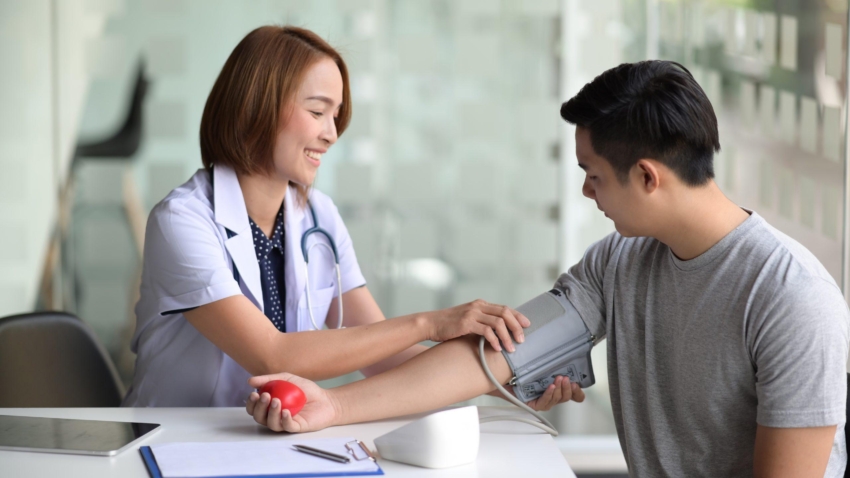
1. Blood Pressure Screening
High blood pressure can affect even young adults.
Recommended:
- Once every year
Cost:
- ₹100–₹500
2. Blood Sugar Test
Detects:
- Diabetes
- Prediabetes
Cost:
- ₹150–₹700
3. Complete Blood Count (CBC)
Useful for detecting:
- Anemia
- Infection
- Vitamin deficiencies
Cost:
- ₹300–₹800
4. Eye Examination
Important because students spend hours using:
- Laptops
- Smartphones
- Tablets
Recommended:
Every 1–2 years.
Cost:
₹300–₹1,500
5. Dental Check-up
Prevents:
- Cavities
- Gum disease
- Bad breath
Recommended:
Every six months.
Cost:
₹500–₹2,000
6. Mental Health Screening
Mental health is equally important.
Can identify:
- Anxiety
- Depression
- Burnout
- Stress
Many universities provide free counseling.
7. BMI Assessment
Helps monitor:
- Healthy weight
- Obesity
- Malnutrition
Usually free during health camps.
8. Cholesterol Test
Recommended especially for:
- Family history of heart disease
- Obesity
- Diabetes
Cost:
₹400–₹1,000
9. Hearing Test
Useful for students regularly exposed to:
- Loud music
- Headphones
- Industrial training
10. Vaccination Review
Students should ensure protection against:
- Hepatitis B
- Tetanus
- Influenza
- COVID-19 (as recommended)
- HPV (where appropriate)
Additional Health Screenings Students Should Consider
- Thyroid function test
- Vitamin D test
- Vitamin B12 screening
- Kidney function test
- Liver function test
- STI screening (when medically appropriate)
- Skin examination
- Nutrition assessment
- Sleep assessment
- Fitness evaluation
Average Costs of Preventive Screenings in India
| Screening | Estimated Cost |
|---|---|
| Blood Pressure | ₹100–₹500 |
| Blood Sugar | ₹150–₹700 |
| CBC | ₹300–₹800 |
| Eye Test | ₹300–₹1,500 |
| Dental Check | ₹500–₹2,000 |
| Cholesterol | ₹400–₹1,000 |
| Thyroid Test | ₹500–₹1,200 |
| Vitamin D | ₹800–₹2,500 |
| Mental Health Consultation | Free–₹2,000 |
Costs vary depending on city, healthcare provider, and diagnostic center.
Benefits of Preventive Screenings
Regular preventive care offers many advantages:
- Early disease detection
- Lower medical expenses
- Better academic performance
- Reduced stress
- Improved concentration
- Stronger immunity
- Better sleep quality
- Enhanced confidence
- Healthier lifestyle habits
- Longer life expectancy
Interesting Facts
- Many chronic diseases begin silently.
- High blood pressure often has no symptoms.
- Nearly half of vision problems can be corrected with proper care.
- Dental disease affects millions of students worldwide.
- Mental health concerns are increasingly common among university students.
- Preventive care is often more cost-effective than treating advanced illness.
Importance in Daily Student Life
Healthy students generally experience:
- Better classroom focus
- Higher productivity
- Improved attendance
- Better memory
- Greater physical stamina
- Reduced absenteeism
- Stronger emotional resilience
A simple yearly health checkup can prevent long-term complications.
Significance to Society
Preventive healthcare benefits society by:
- Reducing healthcare costs
- Lowering disease burden
- Increasing workforce productivity
- Improving public health
- Promoting healthier communities
- Encouraging responsible health practices
- Supporting healthier future generations
Important Points to Remember
- Schedule yearly health checkups.
- Do not ignore mental health.
- Maintain vaccination records.
- Visit the dentist every six months.
- Get regular eye examinations.
- Exercise regularly.
- Eat balanced meals.
- Stay hydrated.
- Sleep 7–9 hours nightly.
- Seek medical advice promptly if screening results are abnormal.
How to Observe Preventive Health Habits
Students can adopt these practices:
- Mark annual screening dates on a calendar.
- Use reminder apps for checkups.
- Participate in campus health camps.
- Keep personal health records.
- Discuss family medical history with a healthcare provider.
- Avoid tobacco, excessive alcohol, and recreational drugs.
- Practice stress management through exercise, meditation, or hobbies.
Wishes for Healthy Living
Here are some encouraging wishes:
- Stay healthy, stay motivated, and achieve your dreams.
- Good health is your greatest investment—take care of it.
- May every health check bring peace of mind and confidence.
- Wishing all students a successful academic journey with strong health.
- Healthy habits today create a brighter tomorrow.
Review: Are Preventive Screenings Worth It?
⭐⭐⭐⭐⭐ Overall Rating: 5/5
Pros
- Detect diseases early
- Affordable compared with treatment costs
- Improve academic performance
- Reduce long-term health risks
- Encourage healthy habits
- Increase life expectancy
- Promote peace of mind
Cons
- Some tests may not be needed for everyone and should be guided by a healthcare professional.
- Follow-up visits may be required if results are abnormal.
- Costs can vary based on location and healthcare facility.
Final Review:
Preventive screenings are one of the most valuable investments students can make. The benefits of early detection, improved well-being, and healthier lifestyles far outweigh the time and expense involved.
Frequently Asked Questions (FAQs)
1. What are preventive screenings?
They are health tests performed to detect diseases before symptoms appear.
2. How often should students schedule preventive screenings?
Most students benefit from an annual health checkup, while some screenings (such as dental visits) are recommended more frequently.
3. Are preventive screenings expensive?
Many basic screenings are affordable, and some schools, colleges, or public health programs offer them at reduced cost or free of charge.
4. Can preventive screenings improve academic performance?
Yes. Good health supports concentration, attendance, energy levels, and learning.
5. Are mental health screenings important?
Absolutely. Early recognition of stress, anxiety, or depression can improve both well-being and academic success.
6. Do healthy students still need screenings?
Yes. Many health conditions develop without noticeable symptoms, making routine screenings valuable even for healthy individuals.
7. Should vaccination status be reviewed regularly?
Yes. Keeping vaccinations up to date is an important part of preventive healthcare.
8. Can preventive screenings save money?
In many cases, early detection reduces the need for more complex and expensive treatments later.
Daily Life Impact
Scheduling preventive screenings can positively influence everyday life by:
- Increasing energy levels
- Supporting better concentration
- Reducing illness-related absences
- Building confidence in personal health
- Encouraging lifelong healthy habits
- Lowering the risk of preventable diseases
- Promoting responsible healthcare decisions
These benefits extend beyond student life and contribute to healthier adulthood.
Conclusion
Preventive screenings are not just medical appointments—they are proactive steps toward a healthier future. For students balancing studies, work, and personal responsibilities, routine health checkups provide an opportunity to detect potential issues early, receive timely guidance, and build lifelong wellness habits.
By scheduling annual screenings, maintaining vaccinations, caring for mental health, and following healthy lifestyle practices, students can improve their academic performance, protect their future careers, and reduce long-term healthcare costs. Investing a small amount of time and money in preventive care today can yield significant health benefits for years to come.









Leave a Reply