


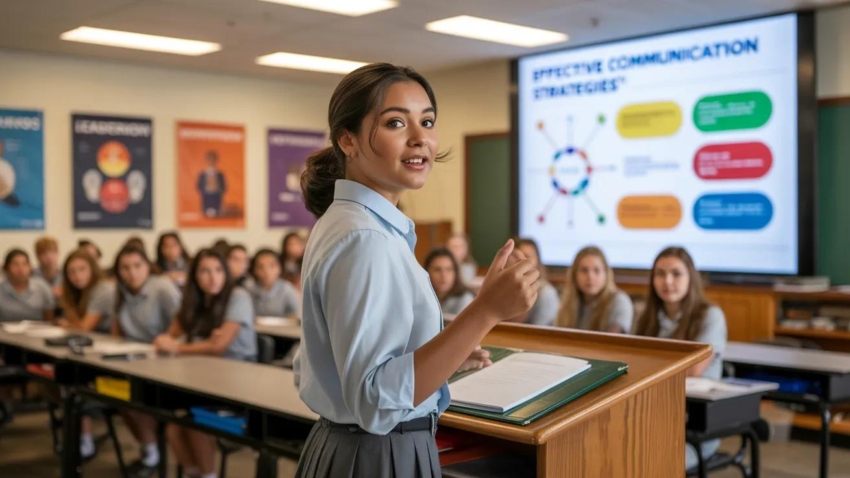
10 Powerful Communication Skills Courses That Can Transform Your Career: Complete Guide with Fees, Hostel Costs & Honest Review
Communication Skills Courses: Complete Guide with Fees, Hostel Costs, Accommodation & Career Opportunities


Introduction
Communication Skills Courses: Communication is one of the most valuable life skills anyone can develop. Whether you are a student, teacher, doctor, engineer, entrepreneur, or corporate employee, your ability to communicate effectively can shape your education, career, and relationships.
Communication Skills Courses are designed to help learners improve verbal, non-verbal, written, and digital communication. These courses teach confidence, presentation skills, public speaking, interview techniques, teamwork, leadership, business communication, and interpersonal relationships.
Today, communication is considered a core employability skill across industries. Many colleges, universities, training institutes, and online learning platforms offer communication skills programs ranging from short certificate courses to diploma and degree-level programs.
History of Communication Skills Education
Communication has existed since the earliest human civilizations. Ancient people relied on gestures, symbols, cave paintings, and spoken language to exchange ideas.
Historical Timeline
- Prehistoric Era: Gestures and cave paintings.
- 3000 BCE: Development of writing systems in Mesopotamia and Egypt.
- Ancient Greece: Public speaking and rhetoric became essential subjects.
- Middle Ages: Formal education included debate and speech.
- Industrial Revolution: Business communication gained importance.
- 20th Century: Communication studies became an academic discipline.
- 21st Century: Digital communication, social media, and virtual collaboration became essential workplace skills.
Why Communication is a Core Skill
Communication influences nearly every aspect of life.
It helps individuals:
- Build confidence
- Improve academic performance
- Perform better in interviews
- Become better leaders
- Resolve conflicts peacefully
- Strengthen teamwork
- Build stronger relationships
- Grow professionally
Employers consistently rank communication among the most important workplace skills.
Types of Communication
1. Verbal Communication
Speaking clearly and confidently.
Examples:
- Meetings
- Interviews
- Presentations
- Classroom discussions
2. Non-Verbal Communication
Includes:
- Body language
- Facial expressions
- Eye contact
- Hand gestures
- Posture
3. Written Communication
Examples:
- Emails
- Reports
- Essays
- Business proposals
- Research papers
4. Visual Communication
Uses:
- Charts
- Graphs
- Infographics
- Slides
- Videos
5. Digital Communication
Modern communication includes:
- Video conferencing
- Social media
- Messaging apps
- Professional networking
Who Should Join Communication Skills Courses?
These courses are suitable for:
- School students
- College students
- Medical students
- Engineering students
- MBA aspirants
- Job seekers
- Working professionals
- Entrepreneurs
- Teachers
- Government exam aspirants
Eligibility
Most communication skills certificate courses have no strict eligibility requirements. However:
- Certificate courses: Class 10 or 12 (varies by provider)
- Diploma courses: Usually Class 12
- Degree programs in communication or related fields: Class 12 with institution-specific admission requirements
Course Duration
- Short workshops: 1 day to 1 week
- Certificate courses: 1–6 months
- Diploma courses: 6–12 months
- Degree programs: 3 years (or longer for specialized studies)
Course Syllabus
Common topics include:
- Public speaking
- Personality development
- Group discussions
- Interview preparation
- Business communication
- Email writing
- Presentation skills
- Leadership communication
- Listening skills
- Negotiation
- Conflict management
- Team communication
- Cross-cultural communication
- Professional etiquette
Course Fees
The fee depends on the institution, course duration, and mode of learning.
| Course Type | Approximate Fees (India) |
|---|---|
| Short workshop | ₹500–₹5,000 |
| Certificate course | ₹2,000–₹25,000 |
| Diploma course | ₹10,000–₹60,000 |
| University elective/module | Varies by institution and program |
| Advanced professional training | ₹25,000–₹1,00,000+ |
These are approximate ranges and may vary by institution and location.
Hostel Fees
If you enroll in a residential college or institute, typical hostel charges may include:
| Expense | Approximate Cost |
|---|---|
| Hostel room | ₹30,000–₹1,20,000 per year |
| Electricity & maintenance | ₹5,000–₹20,000 per year |
| Security deposit | ₹5,000–₹20,000 (refundable in many cases) |
Actual fees vary widely between government and private institutions.
Student Accommodation Options
Students generally choose from:
- College hostel
- Private hostel
- Paying Guest (PG) accommodation
- Shared apartment
- Rental flat
- Student residence
Approximate monthly expenses:
- PG accommodation: ₹4,000–₹12,000
- Shared flat: ₹5,000–₹20,000+
- Food: ₹2,500–₹6,000
- Internet: ₹500–₹1,000
- Local transportation: ₹500–₹3,000
Costs vary significantly by city.
Additional Student Expenses
Students should also plan for:
- Books and study material
- Laptop or tablet (if required)
- Stationery
- Examination fees
- Internet charges
- Transportation
- Health insurance (where applicable)
- Professional clothing for interviews and presentations
Scholarships and Financial Assistance
Some institutions and organizations may offer:
- Merit-based scholarships
- Need-based financial aid
- Government scholarship schemes
- Corporate sponsorships
- Fee concessions
- Education loans for eligible programs
Availability depends on the course provider.
Career Opportunities
Communication skills are valuable across many careers, including:
- Customer support
- Sales and marketing
- Human resources
- Teaching and training
- Journalism
- Public relations
- Corporate communications
- Healthcare administration
- Hospitality
- Business management
- Entrepreneurship
Benefits of Learning Communication Skills
- Better confidence
- Improved academic performance
- Higher employability
- Stronger leadership
- Better teamwork
- Professional growth
- Improved networking
- Better conflict resolution
- Enhanced customer interaction
- More effective presentations
Interesting Facts
- Employers consistently rate communication as one of the top workplace skills.
- Active listening is an essential part of effective communication.
- Non-verbal cues can strongly influence how messages are interpreted.
- Clear communication can improve teamwork and reduce misunderstandings.
Significance
Communication is more than speaking—it is about understanding others and being understood. Strong communication skills help individuals succeed in education, careers, family life, and community engagement.
Daily Life Impact
Good communication helps people:
- Build friendships
- Strengthen family relationships
- Succeed in interviews
- Lead teams
- Express ideas confidently
- Solve problems effectively
- Collaborate in workplaces
- Participate in society
Review
Overall Rating: ★★★★★ (4.8/5)
Pros
- Suitable for learners of all ages
- Improves confidence
- Enhances career prospects
- Useful across professions
- Supports leadership development
- Valuable for interviews and presentations
Cons
- Requires regular practice
- Results depend on consistent application
- Advanced courses may be relatively expensive
Overall, communication skills courses provide long-term value for both personal and professional growth.
Important Points
- Practice regularly.
- Listen actively.
- Speak clearly and respectfully.
- Improve your writing skills.
- Learn presentation techniques.
- Seek constructive feedback.
- Build confidence through real-life interactions.
Best Wishes
Learning communication is an investment that can benefit you throughout your life. Every conversation is an opportunity to learn, connect, and grow. Wishing you confidence and success in your educational journey, career, and personal development.
Frequently Asked Questions (FAQs)
1. What is a Communication Skills Course?
It is a program that helps improve speaking, listening, writing, presentation, and interpersonal communication.
2. Who can join?
Students, graduates, professionals, entrepreneurs, and anyone wishing to improve communication.
3. How much does it cost?
Fees vary widely, from a few hundred rupees for workshops to higher amounts for advanced professional programs.
4. Are hostel facilities available?
Residential colleges and institutes may offer hostel accommodation, subject to availability and separate fees.
5. Can I study online?
Yes. Many institutions offer online communication skills courses.
6. Is it useful for interviews?
Yes. Communication skills are often evaluated during interviews and group discussions.
7. Does it improve career opportunities?
Strong communication skills are valued in almost every profession.
8. Are scholarships available?
Some institutions provide scholarships or financial assistance based on eligibility.
Conclusion
Communication is one of the most valuable skills a person can develop. Whether you are preparing for college, entering the workforce, or advancing in your career, strong communication can help you express ideas, collaborate effectively, and build meaningful relationships. By choosing a quality communication skills course and practicing consistently, you can gain confidence, improve your professional prospects, and make a positive impact in your daily life. The investment in learning this core skill often delivers benefits that last a lifetime.








Leave a Reply