



15 Powerful History & Physical Exam Tests That Can Save Lives: The Complete Positive Guide (2026)
Featured Images


History & Physical Exam Tests: The Complete Guide
Introduction
A History & Physical (H&P) Exam is one of the most important steps in modern healthcare. Before ordering laboratory investigations or advanced imaging, healthcare professionals begin by talking to the patient, understanding symptoms, reviewing medical history, and performing a thorough physical examination.
Despite remarkable advances in technology, many medical conditions can still be diagnosed—or strongly suspected—through a careful history and physical examination. This approach not only improves diagnostic accuracy but also reduces unnecessary testing, saves money, and strengthens trust between patients and healthcare providers.
This guide explains everything you need to know about History & Physical Exam Tests, including their history, importance, common tests, costs, timeline, interesting facts, FAQs, significance, review, and their impact on everyday life.
What Is a History & Physical Exam?
A History & Physical Exam (H&P) is the first comprehensive medical assessment performed by a healthcare provider.
It consists of two major components:
1. Medical History
The healthcare provider asks questions about:
- Current illness
- Past illnesses
- Previous surgeries
- Current medications
- Allergies
- Family medical history
- Lifestyle habits
- Diet
- Exercise
- Smoking and alcohol use
- Occupational exposure
- Travel history
2. Physical Examination
The doctor examines the body using techniques such as:
- Inspection
- Palpation
- Percussion
- Auscultation
These methods help identify abnormalities before additional tests are ordered.
History of History & Physical Exams
The practice of examining patients dates back thousands of years.
Ancient Times
Ancient Egyptian, Indian, Chinese, and Greek physicians relied primarily on observation and questioning because diagnostic technology did not exist.
Hippocrates (460–370 BCE)
Often called the “Father of Medicine,” Hippocrates emphasized careful observation and patient history.
Middle Ages
Physicians expanded physical examination techniques using simple instruments.
19th Century
The invention of the stethoscope by René Laennec revolutionized physical examinations.
20th Century
Advances in laboratory medicine, X-rays, ECGs, CT scans, MRI, and ultrasound complemented—but did not replace—the importance of the H&P.
Today
Modern medicine combines clinical judgment, patient history, physical examination, and advanced diagnostics for accurate diagnosis and treatment.
Timeline of Major Milestones
| Year | Milestone |
|---|---|
| Ancient Era | Observation-based diagnosis |
| 460 BCE | Hippocratic medical history |
| 1816 | Stethoscope invented |
| Early 1900s | Blood pressure measurements became routine |
| Mid-1900s | Laboratory medicine expanded |
| 1970s | CT scanning introduced |
| 1980s | MRI became widely available |
| Present | Digital records and AI-assisted healthcare |
Components of a History & Physical Exam
Chief Complaint (CC)
The main reason for the patient’s visit.
Example:
“I have chest pain.”
History of Present Illness (HPI)
Details include:
- Onset
- Duration
- Severity
- Character
- Timing
- Associated symptoms
- Aggravating factors
- Relieving factors
Past Medical History
Includes:
- Diabetes
- Hypertension
- Asthma
- Previous infections
- Hospitalizations
Surgical History
Previous surgeries provide important diagnostic clues.
Family History
Conditions evaluated include:
- Heart disease
- Cancer
- Diabetes
- Stroke
- Genetic disorders
Social History
Includes:
- Smoking
- Alcohol
- Occupation
- Exercise
- Diet
- Living conditions
Review of Systems (ROS)
Doctors ask questions covering:
- General health
- Heart
- Lungs
- Digestive system
- Nervous system
- Skin
- Muscles
- Mental health
Physical Examination Steps
A complete physical examination includes:
General Appearance
- Weight
- Height
- Alertness
- Nutrition
Vital Signs
- Blood pressure
- Heart rate
- Respiratory rate
- Temperature
- Oxygen saturation
Head and Neck
Evaluation of:
- Eyes
- Ears
- Nose
- Throat
- Thyroid
Cardiovascular Examination
Checks:
- Heart sounds
- Murmurs
- Pulse
- Blood circulation
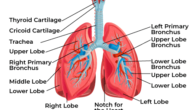
Respiratory Examination
Assessment includes:
- Breath sounds
- Wheezing
- Crackles
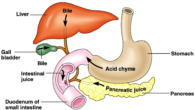
Abdominal Examination
Looks for:
- Tenderness
- Organ enlargement
- Bowel sounds
Musculoskeletal Examination
Examines:
- Joints
- Muscles
- Range of motion
Neurological Examination
Evaluates:
- Reflexes
- Coordination
- Muscle strength
- Sensation
Common Tests Ordered After an H&P


Depending on findings, doctors may recommend:
- Complete Blood Count (CBC)
- Blood Sugar Test
- Liver Function Test
- Kidney Function Test
- Lipid Profile
- Thyroid Function Test
- Urinalysis
- Electrocardiogram (ECG)
- Chest X-ray
- Ultrasound
- CT Scan
- MRI
- Echocardiogram
- Pulmonary Function Test
Approximate Costs (India)
| Test | Approximate Cost (₹) |
|---|---|
| Doctor Consultation | 300–2,000 |
| CBC | 200–600 |
| Blood Sugar | 100–300 |
| Urine Test | 150–500 |
| ECG | 200–800 |
| Chest X-ray | 300–800 |
| Ultrasound | 800–2,500 |
| CT Scan | 2,500–10,000 |
| MRI | 5,000–20,000 |
| Echocardiography | 1,500–4,000 |
Costs vary depending on the city, hospital, and laboratory.
Interesting Facts
- More than half of diagnoses can often be suspected from a detailed medical history alone.
- Physical examination frequently prevents unnecessary investigations.
- Routine checkups help detect diseases before symptoms become severe.
- Listening carefully to patients remains one of the most valuable clinical skills.
- Preventive healthcare can reduce long-term treatment costs.
Importance of History & Physical Exams
These evaluations help:
- Detect diseases early
- Guide appropriate testing
- Reduce healthcare costs
- Improve treatment planning
- Monitor chronic illnesses
- Build trust between patients and clinicians
- Promote preventive care
Benefits
- Accurate diagnosis
- Personalized treatment
- Better patient safety
- Reduced medical errors
- Improved communication
- Early detection of life-threatening conditions
- Better health outcomes
Daily Life Impact
Regular health evaluations encourage healthy habits and allow many conditions to be identified before complications arise. Monitoring blood pressure, blood sugar, weight, and other health indicators supports long-term wellness.
For children, adults, older adults, athletes, and pregnant women, periodic medical assessments can improve quality of life and help maintain independence.
Significance to Society
History & Physical Exams contribute to:
- Early disease detection
- Lower healthcare costs
- Improved public health
- Better management of chronic diseases
- Reduced burden on hospitals through preventive care
- Increased life expectancy through timely intervention
Observance and Health Awareness
Although there is no dedicated global observance specifically for History & Physical Exams, many public health initiatives encourage routine checkups, preventive screenings, and annual wellness visits. Participating in these programs helps detect health issues early and promotes healthier communities.
Review Section
Overall Rating: ⭐⭐⭐⭐⭐ (5/5)
Ease of Process: ★★★★★
Diagnostic Value: ★★★★★
Cost Effectiveness: ★★★★★
Patient Safety: ★★★★★
Preventive Healthcare Value: ★★★★★
Pros
- Early disease detection
- Non-invasive initial assessment
- Cost-effective
- Personalized care
- Better doctor-patient communication
Cons
- Some conditions require additional tests for confirmation
- Accuracy depends on complete patient information and careful examination
- May require follow-up visits if symptoms change
Frequently Asked Questions (FAQs)
What is a History & Physical Exam?
It is a medical evaluation that combines a patient’s medical history with a physical examination to assess overall health and guide diagnosis.
Why is it important?
It helps identify health problems early, guides further testing, and supports effective treatment planning.
How long does it take?
A routine H&P typically takes 20–60 minutes, depending on the complexity of the patient’s condition.
Is it painful?
No. Most of the examination is non-invasive, though some follow-up tests (such as blood draws) may involve minor discomfort.
Do all patients need laboratory tests?
Not always. Additional tests are ordered only when clinically indicated based on the history and examination.
How often should adults have a physical exam?
The frequency depends on age, medical history, and risk factors. Your healthcare provider can recommend an appropriate schedule.
Important Points to Remember
- Be honest about your symptoms and medical history.
- Bring a list of medications and allergies.
- Share your family medical history if known.
- Ask questions if you do not understand any part of the evaluation.
- Follow through with recommended tests and follow-up appointments.
A Positive Health Wish
Wishing you and your family good health, timely medical care, and the wisdom to prioritize regular health checkups. Early attention to your health today can contribute to a healthier and more active future.
Conclusion
History & Physical Exam Tests remain the cornerstone of medical practice. While modern diagnostic technologies have greatly expanded the tools available to clinicians, a thoughtful conversation with the patient and a careful physical examination continue to provide essential information that guides diagnosis and treatment.
Regular health evaluations can detect disease at an earlier stage, improve treatment outcomes, reduce unnecessary testing, and support healthier lifestyles. Whether you are visiting a doctor for a routine checkup or because of new symptoms, the History & Physical Exam is an important first step toward informed, effective, and compassionate healthcare.







Leave a Reply