


15 Powerful Reasons to Choose Whole Foods for a Healthier and Happier Life
Choose Whole Foods: The Complete Guide to Better Health, Nutrition, and a Longer Life
Whole Foods


Introduction
Whole Foods: Choosing whole foods is one of the simplest yet most effective ways to improve your health. Unlike highly processed foods filled with artificial ingredients, preservatives, and added sugars, whole foods are natural or minimally processed. They retain their original nutrients, making them an excellent source of vitamins, minerals, fiber, antioxidants, and healthy fats.
Whether your goal is weight management, disease prevention, better digestion, increased energy, or simply living a healthier lifestyle, choosing whole foods can transform your daily life. Around the world, nutrition experts consistently recommend diets rich in vegetables, fruits, legumes, nuts, seeds, whole grains, and lean proteins.
This comprehensive guide explores everything you need to know about choosing whole foods, including their history, benefits, timeline, significance, costs, important facts, FAQs, review, and practical tips for incorporating them into everyday life.
What Are Whole Foods?
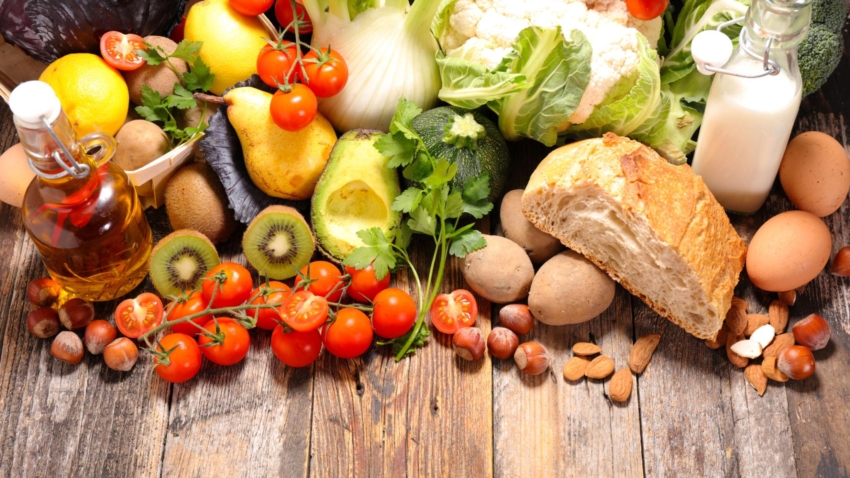
Whole foods are foods that are close to their natural state with little or no industrial processing.
Examples include:
- Fresh fruits
- Fresh vegetables
- Whole grains
- Brown rice
- Oats
- Quinoa
- Lentils
- Chickpeas
- Beans
- Nuts
- Seeds
- Eggs
- Fresh fish
- Lean poultry
- Plain yogurt
- Milk
Whole foods generally contain:
- No artificial preservatives
- No added colors
- No excessive sugar
- No refined flour
- No unhealthy trans fats
History of Whole Foods
The concept of eating whole foods is as old as human civilization itself.
Ancient Era
Early humans survived entirely on natural foods gathered from forests, rivers, and farms. Their diets consisted of fruits, vegetables, grains, seeds, nuts, and animal protein.
Agricultural Revolution (10,000 BCE)
People began farming grains, vegetables, and legumes, creating balanced natural diets.
Industrial Revolution (1700s–1800s)
Food manufacturing introduced refined flour, canned foods, preservatives, and processed sugar.
Mid-20th Century
Convenience foods became popular because of busy lifestyles.
Modern Era
Scientific research revealed that processed foods contribute to obesity, diabetes, heart disease, and other chronic illnesses. Consequently, nutrition experts encouraged people to return to whole-food eating habits.
Timeline of Whole Foods
| Year | Event |
|---|---|
| Prehistoric Era | Humans consumed natural foods |
| 10,000 BCE | Agriculture began |
| 1800s | Industrial food processing expanded |
| 1950s | Packaged foods became common |
| 1970s | Organic food movement gained popularity |
| 2000s | Whole-food nutrition became mainstream |
| Today | Whole-food diets are recommended worldwide |
Types of Whole Foods
Fruits
- Apples
- Oranges
- Bananas
- Mangoes
- Grapes
- Berries
Vegetables
- Spinach
- Carrots
- Tomatoes
- Broccoli
- Cauliflower
- Cucumbers
Whole Grains
- Brown rice
- Oats
- Quinoa
- Millets
- Barley
Legumes
- Lentils
- Kidney beans
- Chickpeas
- Black beans
Healthy Proteins
- Eggs
- Fish
- Chicken
- Tofu
- Paneer
Healthy Fats
- Almonds
- Walnuts
- Peanuts
- Chia seeds
- Flaxseeds
Why Should You Choose Whole Foods?
Choosing whole foods offers numerous health benefits.
Better Nutrition
Whole foods naturally provide:
- Vitamins
- Minerals
- Fiber
- Protein
- Healthy fats
Improved Digestion
Fiber promotes healthy digestion and supports beneficial gut bacteria.
Weight Management
Whole foods keep you fuller for longer, reducing unnecessary snacking.
Heart Health
Natural foods help lower cholesterol and blood pressure.
Diabetes Prevention
Whole grains and fiber help regulate blood sugar levels.
Stronger Immunity
Whole foods contain antioxidants that strengthen the immune system.
Better Mental Health
Research suggests nutrient-rich diets support brain function and reduce the risk of depression.
Nutritional Benefits
Whole foods provide:
- Vitamin A
- Vitamin C
- Vitamin D
- Vitamin E
- Vitamin K
- Calcium
- Iron
- Potassium
- Magnesium
- Zinc
- Omega-3 fatty acids
- Dietary fiber
Estimated Monthly Cost of Choosing Whole Foods
| Food Category | Approximate Monthly Cost (India) |
|---|---|
| Fruits | ₹800–₹2,000 |
| Vegetables | ₹800–₹2,500 |
| Whole grains | ₹500–₹1,500 |
| Legumes | ₹500–₹1,200 |
| Dairy | ₹600–₹2,000 |
| Nuts & seeds | ₹500–₹2,000 |
While some items like nuts and imported produce can be costly, buying seasonal fruits, local vegetables, and grains in bulk makes a whole-food diet affordable for many households.
Amazing Facts About Whole Foods
- Apples contain antioxidants that help protect cells.
- Oats are naturally rich in soluble fiber.
- Lentils are among the world’s oldest cultivated foods.
- Whole grains retain the bran and germ, unlike refined grains.
- Spinach is rich in iron and folate.
- Nuts provide healthy fats beneficial for heart health.
- Whole foods are generally more nutrient-dense than ultra-processed foods.
Importance of Whole Foods in Our Life
Whole foods influence nearly every aspect of health.
Physical Health
- Better immunity
- Healthy weight
- Strong bones
- Better digestion
Mental Health
- Improved concentration
- Stable mood
- Better memory
Emotional Well-being
Eating balanced meals often supports sustained energy and overall well-being.
Family Health
Healthy eating habits encourage children to develop nutritious lifelong behaviors.
Significance of Choosing Whole Foods
Whole foods are important because they:
- Reduce lifestyle disease risks
- Improve quality of life
- Encourage sustainable agriculture
- Support local farmers
- Promote healthier communities
- Reduce excessive food waste from heavily packaged products
Important Points
- Eat more fruits daily.
- Fill half your plate with vegetables.
- Replace white rice with brown rice or millets occasionally.
- Drink more water.
- Avoid sugary drinks.
- Choose homemade meals.
- Read nutrition labels carefully.
- Reduce processed snacks.
- Eat seasonal produce.
- Practice portion control.
How to Start Choosing Whole Foods
- Shop the produce section first.
- Plan meals before grocery shopping.
- Cook more meals at home.
- Keep healthy snacks available.
- Replace refined grains gradually.
- Include legumes several times a week.
- Add nuts and seeds in moderation.
- Stay hydrated.
Common Mistakes
- Assuming “organic” always means healthier.
- Buying too much fresh produce and letting it spoil.
- Eliminating all processed foods overnight.
- Ignoring portion sizes.
- Relying only on fruit instead of balanced meals.
Whole Foods Review
Overall Rating: ⭐⭐⭐⭐⭐ (5/5)
Pros
- Highly nutritious
- Supports long-term health
- Improves digestion
- Helps maintain healthy weight
- Reduces chronic disease risk
- Natural ingredients
- Great for families
Cons
- Meal preparation can take more time.
- Fresh produce has a shorter shelf life.
- Some items can be more expensive depending on the season and location.
Final Review
Choosing whole foods is one of the most effective long-term investments in your health. Although it may require more planning than relying on convenience foods, the benefits for physical health, energy, and overall well-being make it worthwhile.
Observance
Many people observe healthy eating habits by:
- Preparing fresh meals at home.
- Eating seasonal fruits and vegetables.
- Reducing processed foods.
- Practicing mindful eating.
- Supporting local farmers’ markets.
- Sharing healthy recipes with family and friends.
Wishing Message
“Wishing you a healthier, happier, and more energetic life. May every wholesome meal nourish your body, strengthen your mind, and bring joy to your family. Choose whole foods today for a brighter tomorrow!”
Frequently Asked Questions (FAQs)
1. What are whole foods?
Whole foods are foods that are natural or minimally processed and retain most of their original nutrients.
2. Are whole foods expensive?
Not necessarily. Buying seasonal produce, local grains, and legumes can make a whole-food diet affordable.
3. Can whole foods help with weight loss?
Yes. Their high fiber and nutrient density can promote fullness and support healthy weight management.
4. Are frozen fruits and vegetables considered whole foods?
Many plain frozen fruits and vegetables without added sauces or sugar are good whole-food options.
5. Should I avoid all processed foods?
Not all processing is harmful. Foods like plain yogurt, frozen vegetables, and canned beans with minimal added ingredients can fit into a healthy diet.
6. How many servings of vegetables should I eat daily?
Aim for several servings each day, with variety in colors and types, according to your age and dietary needs.
7. Is brown rice healthier than white rice?
Brown rice contains more fiber and certain nutrients because the bran and germ are retained.
8. Can children eat whole foods?
Yes. Whole foods support healthy growth and development when included as part of a balanced diet.
9. Are whole foods suitable for older adults?
Yes. They provide important nutrients that support healthy aging, though dietary needs may vary.
10. What is the easiest way to start?
Replace one processed snack each day with a whole-food option, such as fruit, nuts, or yogurt, and gradually build healthier habits.
Daily Life Impact
Choosing whole foods can positively affect everyday life by:
- Providing steady energy for work and study.
- Supporting better digestion and gut health.
- Encouraging home cooking and family meals.
- Reducing reliance on highly processed snacks.
- Helping maintain a healthy body weight.
- Supporting long-term heart and metabolic health.
Conclusion
Choosing whole foods is more than a dietary trend—it is a practical, sustainable approach to lifelong health. By emphasizing fruits, vegetables, whole grains, legumes, nuts, seeds, and minimally processed proteins, you can nourish your body with the nutrients it needs while reducing your intake of excess sugar, sodium, and unhealthy fats. Although adopting this lifestyle may require planning and mindful shopping, the rewards include improved energy, better digestion, stronger immunity, and a reduced risk of many chronic diseases.
Small, consistent changes—such as replacing sugary snacks with fresh fruit or choosing whole grains instead of refined ones—can make a meaningful difference over time. By embracing whole foods, you invest not only in your own well-being but also in healthier families, stronger communities, and a more sustainable future.









Leave a Reply