


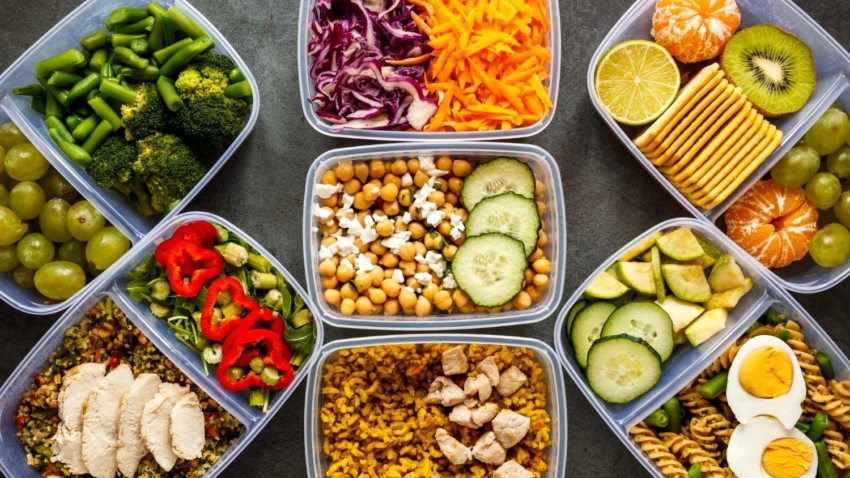
10 Powerful and Proven Tips for a Healthier Diet: The Ultimate Positive Guide to Better Nutrition
Healthier Diet: The Ultimate Positive Guide to Better Nutrition





Introduction
Healthier Diet: A healthy diet is much more than counting calories or following the latest food trend. It is about nourishing your body with the right nutrients to support physical health, mental well-being, and long-term disease prevention. Modern lifestyles often encourage fast food, sugary beverages, and processed snacks, making it increasingly difficult to maintain healthy eating habits.
Fortunately, improving your diet doesn’t require a complete lifestyle overhaul. Small, consistent changes can lead to remarkable improvements in your health. This comprehensive guide covers 10 actionable tips for a healthier diet, their history, importance, scientific facts, timeline, FAQs, review, significance, and practical advice to help you build lifelong healthy eating habits.
What Is a Healthy Diet?
A healthy diet is a balanced eating pattern that provides your body with essential nutrients, including:
- Proteins
- Healthy fats
- Complex carbohydrates
- Vitamins
- Minerals
- Fiber
- Water
The goal is to provide enough energy while reducing the risk of obesity, diabetes, heart disease, hypertension, and many other chronic illnesses.
History of Healthy Eating
The concept of healthy eating has evolved significantly over thousands of years.
Ancient Times
- Ancient civilizations relied mainly on fresh vegetables, grains, fruits, legumes, fish, and natural foods.
- Traditional Indian Ayurveda emphasized balanced nutrition according to body type.
- Greek physician Hippocrates famously stated:
“Let food be thy medicine.”
Middle Ages
People consumed locally grown seasonal foods with minimal processing.
Industrial Revolution
Processed foods became increasingly common due to food preservation technologies.
20th Century
Nutrition science advanced rapidly:
- Discovery of vitamins
- Food pyramids
- Dietary guidelines
- Calorie counting
Modern Era
Today’s nutrition emphasizes:
- Whole foods
- Plant-based diets
- Balanced nutrition
- Sustainable eating
- Personalized dietary planning
Timeline of Healthy Diet Evolution
| Year | Milestone |
|---|---|
| 400 BC | Hippocrates promoted food as medicine |
| 1700s | Agricultural improvements increased food availability |
| Early 1900s | Vitamins discovered |
| 1940s | Recommended Dietary Allowances introduced |
| 1992 | Food Pyramid released |
| 2011 | MyPlate introduced |
| Present | Personalized nutrition and sustainable diets gain popularity |
10 Actionable Tips for a Healthier Diet
1. Fill Half Your Plate with Vegetables
Vegetables are rich in:
- Fiber
- Vitamins
- Minerals
- Antioxidants
Aim for colorful vegetables every day.
Examples:
- Spinach
- Broccoli
- Carrots
- Bell peppers
- Tomatoes
2. Choose Whole Grains
Replace refined grains with:
- Brown rice
- Oats
- Whole wheat
- Quinoa
- Millets
Whole grains improve digestion and provide long-lasting energy.
3. Eat More Protein
Healthy protein sources include:
- Eggs
- Fish
- Chicken
- Lentils
- Beans
- Chickpeas
- Soy products
Protein supports muscles, immunity, and recovery.
4. Limit Processed Foods
Highly processed foods often contain:
- Excess sugar
- Salt
- Trans fats
- Artificial additives
Choose fresh, homemade meals whenever possible.
5. Drink Enough Water
Water helps:
- Maintain hydration
- Improve digestion
- Regulate body temperature
- Boost metabolism
Most adults benefit from regular water intake throughout the day, with needs varying by climate, activity, and health.
6. Reduce Added Sugar
High sugar intake contributes to:
- Diabetes
- Obesity
- Tooth decay
- Heart disease
Replace sugary drinks with:
- Water
- Lemon water
- Unsweetened tea
- Coconut water
7. Include Healthy Fats
Healthy fats support:
- Brain health
- Hormones
- Heart function
Choose:
- Nuts
- Seeds
- Avocados
- Olive oil
- Fatty fish
8. Practice Portion Control
Even healthy foods should be eaten in appropriate portions.
Helpful strategies:
- Smaller plates
- Eating slowly
- Avoid overeating
- Listen to hunger cues
9. Plan Your Meals
Meal planning helps:
- Save money
- Reduce unhealthy snacking
- Improve nutrition
- Prevent food waste
Prepare meals ahead for busy weekdays.
10. Eat Mindfully
Avoid distractions while eating.
Focus on:
- Taste
- Texture
- Hunger
- Satisfaction
Mindful eating helps prevent overeating.
Interesting Facts About Healthy Eating
- The human body contains approximately 60% water.
- Fiber supports healthy digestion and beneficial gut bacteria.
- Fruits and vegetables contain thousands of beneficial plant compounds.
- Breakfast may improve concentration for many people.
- Nuts are nutrient-dense and can support heart health when eaten in moderation.
- Eating slowly often helps people recognize fullness sooner.
- Colorful foods usually provide diverse nutrients.
Importance of a Healthy Diet in Our Life
Healthy eating influences nearly every part of life.
Benefits include:
- Better immunity
- Improved mood
- Healthy body weight
- Better sleep
- Increased energy
- Reduced disease risk
- Improved digestion
- Stronger bones
- Healthy skin
- Longer lifespan
Daily Life Impact
Following these 10 actionable tips can improve daily life by:
- Increasing productivity
- Improving concentration
- Reducing fatigue
- Supporting emotional well-being
- Enhancing physical performance
- Lowering medical expenses over time
- Promoting healthier family habits
Small daily improvements often produce meaningful long-term results.
Significance of Healthy Eating
Healthy eating benefits:
Individuals
- Better physical health
- Greater mental wellness
- Higher quality of life
Families
- Encourages healthy children
- Builds lifelong eating habits
Society
- Reduces healthcare costs
- Improves workforce productivity
- Supports sustainable agriculture when locally sourced foods are chosen
Important Points to Remember
- Eat fresh foods whenever possible.
- Avoid excessive sugar.
- Reduce salt intake.
- Drink sufficient water.
- Eat seasonal fruits.
- Include vegetables every day.
- Avoid skipping meals.
- Choose healthy snacks.
- Exercise regularly.
- Sleep adequately.
Observance of Healthy Eating
Healthy eating is not a one-day event but a lifelong practice.
Ways to observe it:
- Prepare nutritious meals at home.
- Read nutrition labels.
- Support local farmers by buying seasonal produce.
- Encourage healthy eating in schools and workplaces.
- Share healthy recipes with family and friends.
Healthy Diet Costs
Healthy eating does not have to be expensive.
Affordable options include:
| Food | Approximate Cost (India) |
|---|---|
| Oats (1 kg) | ₹150–₹250 |
| Brown Rice (1 kg) | ₹80–₹180 |
| Eggs (12) | ₹70–₹120 |
| Seasonal Fruits | ₹40–₹150/kg |
| Vegetables | ₹20–₹100/kg |
| Lentils (1 kg) | ₹100–₹220 |
| Peanuts (500 g) | ₹80–₹150 |
Buying local, seasonal foods and cooking at home can significantly reduce costs.
Review: Are These 10 Actionable Tips Effective?
Overall Rating: ⭐⭐⭐⭐⭐ (5/5)
Pros
- Easy to follow
- Backed by nutrition science
- Affordable for most households
- Helps prevent chronic diseases
- Suitable for nearly all age groups
- Encourages sustainable, lifelong habits
Cons
- Requires consistency and planning
- Individual dietary needs vary, so some people may need guidance from a registered dietitian or physician
Verdict
These tips are practical, evidence-informed, and adaptable. They emphasize gradual improvements rather than restrictive dieting, making them suitable for long-term health.
Wishing Message
“Wishing you a healthier, happier, and more energetic life. May every meal nourish your body, every healthy choice strengthen your future, and every day bring you closer to lifelong wellness.”
Frequently Asked Questions (FAQs)
1. What is the healthiest diet?
A balanced diet containing fruits, vegetables, whole grains, lean proteins, healthy fats, and adequate hydration.
2. Can healthy eating help with weight loss?
Yes. Combined with physical activity and appropriate portion sizes, healthy eating supports sustainable weight management.
3. How much water should I drink daily?
Needs vary based on age, activity, climate, and health. Drink enough to stay well hydrated, and adjust intake during hot weather or exercise.
4. Are carbohydrates bad?
No. Whole-food carbohydrates like fruits, vegetables, legumes, and whole grains are an important source of energy.
5. Should I avoid fats?
No. Healthy fats from nuts, seeds, olive oil, and fish are beneficial when consumed in moderation.
6. Is homemade food healthier?
In many cases, yes, because you have greater control over ingredients, salt, sugar, and cooking methods.
7. Can children follow these tips?
Yes. These principles are appropriate for families, though children’s nutritional needs vary by age.
8. Is meal planning necessary?
It is not mandatory, but it can make healthy eating easier, save time, and reduce food waste.
Why Healthy Eating Matters to Society
Healthy diets contribute to:
- Lower rates of chronic diseases
- Reduced healthcare burdens
- Improved school and workplace performance
- Better environmental sustainability through thoughtful food choices
- Stronger and healthier communities
Conclusion
Healthy eating is one of the most valuable investments you can make in your future. By following these 10 actionable tips for a healthier diet, you can improve your physical health, sharpen your mental focus, and reduce the risk of many chronic diseases. You do not need perfection—consistent, balanced choices are what matter most.
Whether you begin by adding one extra serving of vegetables, replacing sugary drinks with water, or planning meals for the week, every positive step counts. Over time, these small habits become part of a healthier lifestyle that benefits not only you but also your family and society. Start today, stay consistent, and enjoy the lifelong rewards of better nutrition.









Leave a Reply