


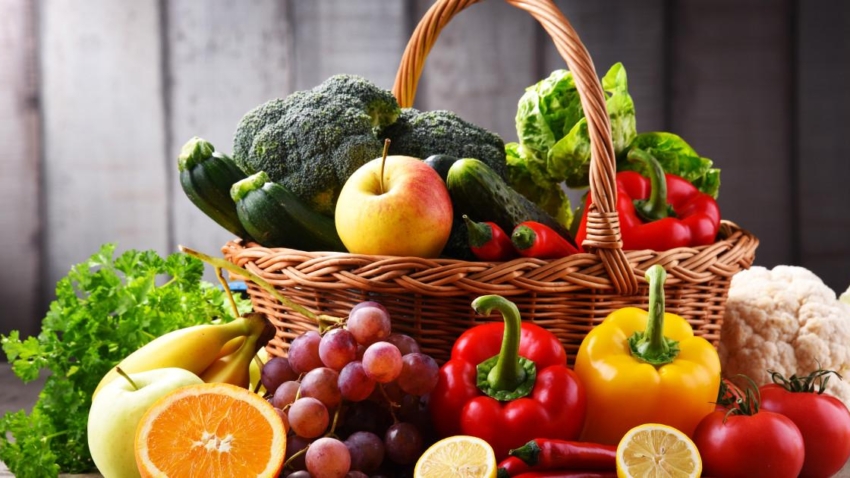
10 Powerful Reasons to Eat More Fruits and Vegetables for a Healthier Life (Complete Guide & Honest Review)
Eat More Fruits and Vegetables: A Complete Guide to Better Health


Introduction
“Eat more fruits and vegetables” is one of the most trusted health recommendations worldwide. Whether you are a child, student, working professional, athlete, or senior citizen, adding more colorful fruits and vegetables to your daily meals can improve your health in countless ways.
Rich in vitamins, minerals, fiber, antioxidants, and natural plant compounds, fruits and vegetables help protect the body from diseases while supporting energy, immunity, digestion, and mental well-being. Health experts around the world encourage consuming a variety of fruits and vegetables every day because they provide nutrients that processed foods simply cannot replace.
In today’s fast-paced world, where junk food and sugary drinks are easily available, making fruits and vegetables a daily habit is one of the simplest and most effective lifestyle changes anyone can make.
What Does “Eat More Fruits and Vegetables” Mean?
Eating more fruits and vegetables means increasing the amount and variety of plant-based foods in your daily meals.
Examples include:
- Apples
- Bananas
- Oranges
- Mangoes
- Papayas
- Berries
- Spinach
- Carrots
- Tomatoes
- Broccoli
- Cauliflower
- Cucumbers
- Bell peppers
- Pumpkin
- Green beans
Health organizations commonly recommend consuming at least five servings of fruits and vegetables every day.
History of Eating Fruits and Vegetables
Humans have relied on fruits and vegetables since prehistoric times. Before agriculture developed thousands of years ago, people survived by gathering edible plants, berries, nuts, roots, and fruits from forests and grasslands.
Ancient Civilizations
- Egyptians cultivated onions, garlic, figs, and dates.
- Indians grew bananas, mangoes, cucumbers, and leafy vegetables.
- Chinese farmers cultivated cabbage and leafy greens.
- Greeks and Romans promoted olive oil, grapes, and fresh vegetables.
During the Industrial Revolution, processed foods became more common. Modern nutrition science later confirmed that diets rich in fruits and vegetables reduce many chronic diseases.
Today, governments worldwide promote fruit and vegetable consumption through nutrition guidelines and public health campaigns.
Timeline
| Year | Event |
|---|---|
| Prehistoric Era | Humans gather wild fruits and vegetables |
| Around 8000 BCE | Farming begins |
| Ancient India | Fruits become central to traditional diets |
| Ancient Egypt | Vegetable cultivation expands |
| 18th Century | Nutrition research begins |
| 20th Century | Vitamins discovered |
| 1991 | “5 A Day” campaign launched |
| Today | Global healthy eating campaigns encourage higher fruit and vegetable intake |
Nutritional Value
Fruits and vegetables contain:
- Vitamin A
- Vitamin C
- Vitamin E
- Vitamin K
- Folate
- Potassium
- Magnesium
- Calcium
- Iron
- Dietary fiber
- Antioxidants
- Water
These nutrients work together to support almost every organ in the human body.
Health Benefits of Eating More Fruits and Vegetables
1. Stronger Immunity
Vitamin C strengthens the immune system and helps the body fight infections.
2. Better Heart Health
Fiber, potassium, and antioxidants help lower cholesterol and maintain healthy blood pressure.
3. Improved Digestion
Dietary fiber prevents constipation and supports beneficial gut bacteria.
4. Healthy Weight Management
Most fruits and vegetables are naturally low in calories but high in nutrients, making them ideal for weight management.
5. Better Skin
Vitamin A and Vitamin C help maintain healthy, glowing skin and support collagen production.
6. Reduced Risk of Diabetes
Fiber-rich foods help regulate blood sugar levels and improve insulin sensitivity.
7. Lower Cancer Risk
Many fruits and vegetables contain antioxidants that help protect cells from damage.
8. Strong Bones
Leafy greens provide calcium and vitamin K, both essential for bone health.
9. Better Vision
Carrots, spinach, and sweet potatoes contain beta-carotene and lutein that support eye health.
10. Improved Mental Health
Studies suggest diets rich in fruits and vegetables are associated with better mood, improved concentration, and overall well-being.
Interesting Facts
- Apples float because they are about 25% air.
- Tomatoes are botanically fruits.
- Bananas contain natural vitamin B6.
- Spinach is rich in iron and folate.
- Carrots were originally purple.
- Watermelon is about 92% water.
- Broccoli contains more vitamin C than many fruits by weight.
- Mango is known as the “King of Fruits” in many countries.
- Different colored fruits and vegetables provide different nutrients.
- Fiber is found only in plant foods.
Importance in Daily Life
Eating fruits and vegetables every day helps:
- Stay energetic
- Improve concentration
- Support healthy growth
- Maintain healthy digestion
- Keep skin healthy
- Improve sleep quality
- Reduce stress
- Support healthy aging
- Lower healthcare costs over time
- Encourage healthier eating habits for families
Significance to Society
Healthy communities begin with healthy individuals.
Higher fruit and vegetable consumption can:
- Reduce healthcare costs
- Improve workplace productivity
- Lower chronic disease rates
- Support sustainable farming
- Reduce environmental impact compared with many highly processed foods
- Improve children’s nutrition
- Encourage local agriculture
- Reduce food insecurity through diversified farming
Observance and Awareness Campaigns
Several global initiatives encourage healthy eating:
- National Nutrition Month
- World Food Day
- Healthy Eating Week
- School nutrition awareness programs
- Community farmers’ markets
- Public health campaigns promoting “5 A Day” or similar recommendations
These campaigns educate people about balanced diets and healthy lifestyles.
Practical Tips to Eat More Fruits and Vegetables
- Add fruit to breakfast.
- Eat salad before lunch.
- Snack on apples or bananas instead of chips.
- Include vegetables in soups and curries.
- Make smoothies with fresh fruits.
- Keep washed fruits visible at home.
- Choose seasonal produce.
- Try one new vegetable each week.
- Fill half your plate with fruits and vegetables.
- Replace sugary desserts with fresh fruit.
Important Points
- Eat a variety of colors.
- Fresh, frozen, and minimally processed options can all be nutritious.
- Wash produce thoroughly before eating.
- Avoid excessive sugar or salt added to fruits and vegetables.
- Seasonal produce is often fresher and more affordable.
- Balance fruits and vegetables with whole grains, protein, and healthy fats for a complete diet.
Myths vs Facts
| Myth | Fact |
|---|---|
| Fruits contain too much sugar | Whole fruits are healthy and contain fiber that slows sugar absorption. |
| Frozen vegetables are unhealthy | Frozen vegetables often retain much of their nutritional value. |
| Only expensive produce is healthy | Many affordable local fruits and vegetables are highly nutritious. |
| Juice is the same as whole fruit | Whole fruits usually provide more fiber and are generally a better choice. |
| Potatoes are enough vegetables | A variety of vegetables provides a broader range of nutrients. |
Review: Is Eating More Fruits and Vegetables Worth It?
⭐⭐⭐⭐⭐ Rating: 5/5
Pros
- Affordable compared to many processed snacks
- Supports long-term health
- Rich in vitamins and minerals
- Improves digestion
- Helps maintain healthy weight
- Easy to include in meals
- Suitable for most age groups
Cons
- Fresh produce may spoil quickly if not stored properly.
- Some fruits and vegetables can be seasonal or more expensive in certain regions.
- Preparation may take more time than packaged foods.
Overall Review
Increasing fruit and vegetable intake is one of the most evidence-based and practical steps for improving health. The benefits far outweigh the minor inconveniences, making it a worthwhile habit for individuals and families alike.
Wishing Message
“Wishing you and your family a healthy, colorful, and energetic life filled with the goodness of fresh fruits and vegetables. Every small healthy choice today builds a stronger tomorrow!”
Frequently Asked Questions (FAQs)
1. How many servings should I eat daily?
Most health guidelines recommend at least five servings of fruits and vegetables each day.
2. Which fruits are healthiest?
There is no single healthiest fruit. A varied intake of berries, citrus fruits, apples, bananas, mangoes, and other seasonal fruits provides a wide range of nutrients.
3. Can frozen vegetables be healthy?
Yes. Frozen vegetables can retain much of their nutritional value and are a convenient option.
4. Are fruit juices as healthy as whole fruits?
Whole fruits are generally a better choice because they contain more fiber and are usually more filling.
5. Can fruits help with weight loss?
Whole fruits can support weight management because they are nutrient-dense, high in fiber, and relatively low in calories.
6. Which vegetables are richest in nutrients?
Leafy greens, broccoli, carrots, bell peppers, tomatoes, and sweet potatoes are among the most nutrient-rich options.
7. Can children eat fruits every day?
Yes. Fruits are an important part of a balanced diet for children when offered in appropriate portions.
8. What is the easiest way to eat more vegetables?
Add vegetables to soups, sandwiches, curries, omelets, salads, and stir-fries, and keep ready-to-eat vegetables available for snacks.
Daily Life Impact
Making fruits and vegetables a regular part of meals can lead to meaningful improvements over time. Many people notice better digestion, steadier energy levels, improved concentration, and a greater sense of well-being. Families that prioritize fresh produce also encourage healthy habits in children, helping establish lifelong patterns that may reduce the risk of chronic illnesses later in life.
Conclusion
Eating more fruits and vegetables is one of the simplest, safest, and most effective ways to support long-term health. From ancient civilizations to modern nutrition science, the value of plant-based foods has remained clear. Packed with vitamins, minerals, fiber, antioxidants, and natural compounds, fruits and vegetables help strengthen the immune system, support heart health, improve digestion, and contribute to a healthier society.
Whether you begin by adding one extra serving of fruit to breakfast or filling half your plate with vegetables at dinner, every small step counts. A colorful, varied diet rich in fruits and vegetables is an investment in better health, greater energy, and an improved quality of life for years to come.









Leave a Reply